







Filipinos in the UN: A showcase of service, integrity, and leadership
Published Nov 17, 2025 12:05 am
|
Updated Nov 16, 2025 04:20 pm


BARRACKS AND STRATEGY
The Filipino commitment to peace and professionalism has long extended beyond our shores. In my years of service—first in the Armed Forces of the Philippines and later under the United Nations—I have witnessed how Filipinos consistently rise to the challenge of serving humanity. Whether in the corridors of global institutions or in conflict-torn communities across the world, our countrymen have shown that integrity, resilience, and compassion are deeply embedded in the Filipino character. The story of Filipinos in the UN is not simply a record of participation—it is a living testament to the belief that peace begins with example and that true leadership is grounded in moral courage.
Filipinos in international organizations
When the United Nations celebrated its 80th year last Oct. 24, 2025, I could not help but reflect on how Filipinos helped shape the institution’s spirit and mission. Founded after a devastating world war, the UN was built on the conviction that nations could prevent conflict and advance human dignity through cooperation. From its earliest days, the Philippines was among those who believed in this vision.
One of the most enduring symbols of this commitment was General Carlos P. Romulo, the first Asian President of the UN General Assembly. His leadership opened doors for generations of Filipinos who would go on to serve as diplomats, international civil servants, and peacekeepers. Their work across UN agencies—UNDP, UNHCR, WHO, ILO, UNICEF, ICRC, and numerous peace operations—demonstrates that competence matched with compassion is what truly defines Filipino professionalism.
Today, Filipino UN retirees continue to embody the values of integrity and public service. Their careers stand in stark contrast to the corruption that too often tarnishes the Philippine public sector. Through their example, they restore the country’s credibility in the global arena and show the world that the Filipino is capable of the highest standards of governance.
This service was highlighted during the annual gathering of the Association of Former International Civil Servants–Philippines (AFICS-PHIL) last October 17, 2025. AFICS-PHIL is more than a retirement organization—it is a reminder that the work of peace, justice, and human dignity does not end when one leaves the UN. Its members continue serving their communities through mentorship and advocacy, proving that professionalism transcends position, title, and nationality. It is rooted in the quiet, consistent practice of doing what is right.
UN Filipino peacekeepers
My own experience as Force Commander of the United Nations Transitional Administration in East Timor (UNTAET) deepened my belief in the unique strength Filipino peacekeepers bring to international service. East Timor had just emerged from conflict, and our mission was not merely to maintain stability but to help rebuild a wounded nation.
From the start, I knew that success would depend not on military strength alone but on moral authority. In peacekeeping, credibility is a commander’s most essential armor. I made it a personal rule never to give an order I was unwilling to follow myself. I insisted on strict professionalism: respect for Timorese culture, cooperation with international partners, and transparency in all operations. I reminded our troops that peacekeeping is fundamentally a humanitarian effort—one grounded in empathy and cultural sensitivity.
Simple acts, such as allowing our Muslim soldiers to observe Friday prayers or encouraging intercultural dialogue among multinational contingents, had profound effects. They signaled respect, humility, and understanding—qualities that build trust far more effectively than force. In time, the Timorese saw Filipino peacekeepers not as foreign soldiers but as partners committed to their recovery.
The Filipino soldier, wherever deployed, carries the spirit of the nation: brave yet compassionate, disciplined yet humane. This rare balance of courage and empathy is what makes Filipino peacekeepers consistently effective and deeply respected around the world.
Lessons for Philippine governance
The lessons I learned in UN missions offer clear guidance for improving governance at home. Leadership must always begin with example. People follow what they see, not what they are told. Transparency is essential to earning public trust. Accountability transforms authority into moral responsibility. And unity of effort ensures that civilian and military institutions work together instead of competing for recognition.
In East Timor, I saw how integrity became the most effective form of diplomacy. The same principle applies to government: when leaders act with honesty and fairness, they earn the confidence of their people without demanding it.
If the values that guide UN missions—discipline, ethics, professionalism, respect—were applied consistently in Philippine governance, they could serve as a powerful template for reform. Our institutions would not simply function better; they would regain the trust of the citizens they exist to serve.
A continuing legacy of service
The service of Filipinos in the United Nations proves that leadership grounded in moral conviction can help move nations toward peace. Our professionalism, strengthened by compassion, remains one of the Philippines’ most meaningful contributions to the world. As long as Filipinos continue to serve with integrity and humility, we will remain shining examples of what it means to serve humanity.
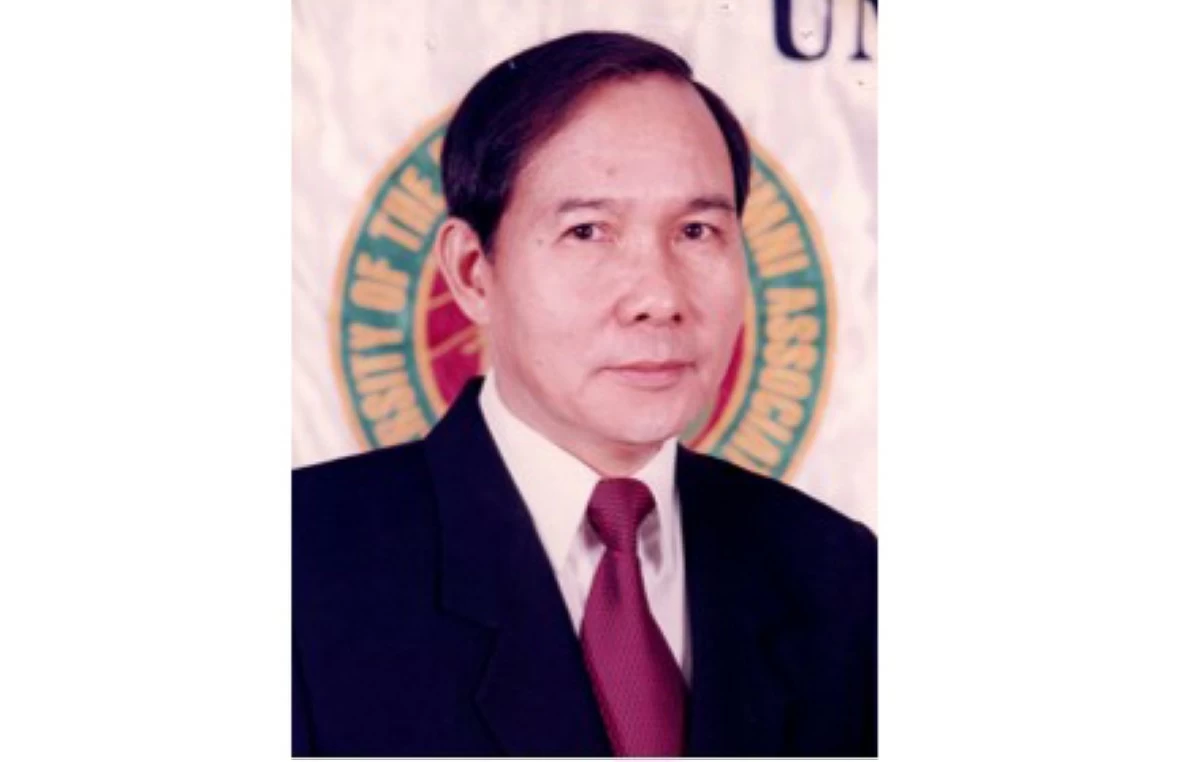
(Lt. Gen. Jaime S. de los Santos served with distinction as a military professional, 42nd Commanding Gen. Philippine Army, 1st Force Commander, UN Multi-National Peacekeeping Force in East Timor, former member, UP Board of Regents and Professorial Lecturer II (part-time), UP-Diliman.)