







China, India chipping away at US fries in Philippines
US potato industry seeks zero tariffs on exports to Philippines
Published Nov 17, 2025 05:50 pm


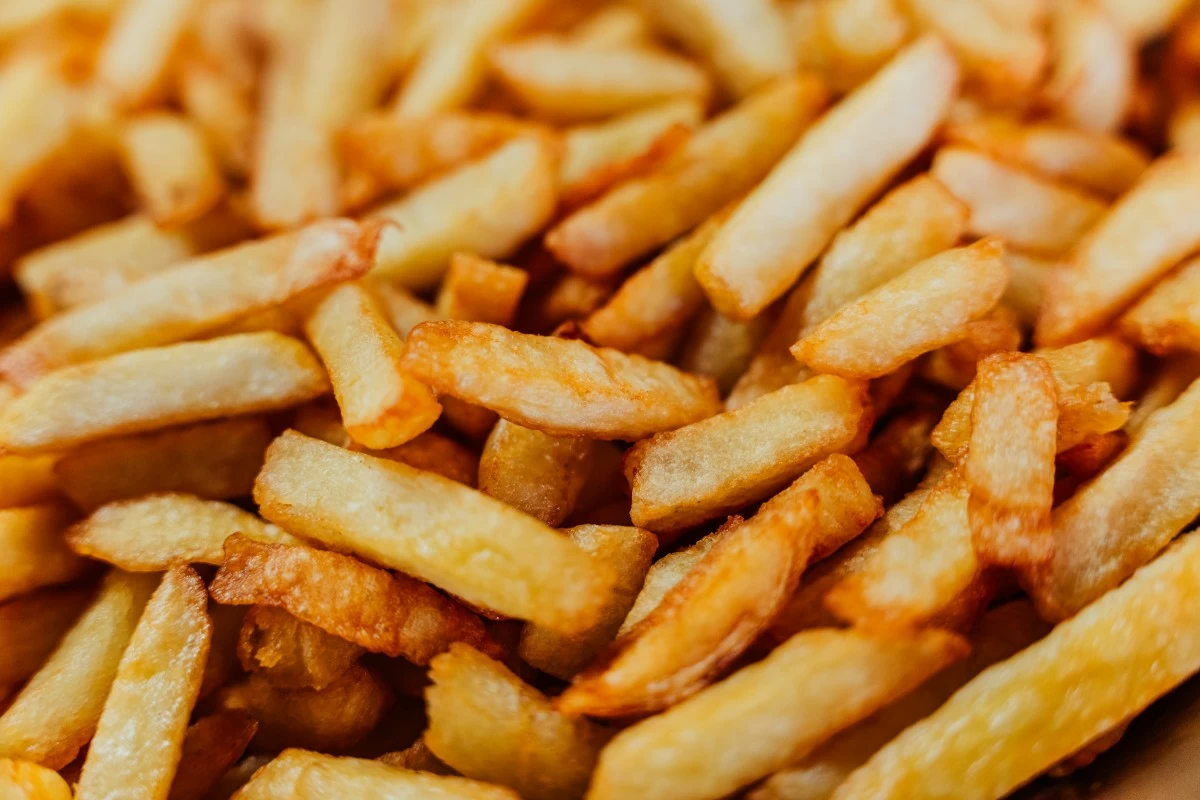
Two prominent industry groups representing the United States’ (US) potato industry are urging the Trump administration to negotiate the removal of tariffs imposed by the Philippines on its exports of frozen potato fries, warning that its dominance could soon be upended by China and India.
In separate submissions to the Office of the United States Trade Representative (USTR) last month, seen by Manila Bulletin, Washington-based National Potato Council (NPC) and Seattle-based American Potato Trade Alliance (APTA) said the elimination of tariffs, which are currently set at 10 percent, is crucial for the continued growth of fry exports to the Philippines.
NPC is the leading voice of commercial potato growers in the US, while APTA is a trade group composed of potato processors, quick-service restaurants (QSRs), and potato growers.
The Philippines is the fifth-largest export market for American potatoes, valued at $120 million in 2024, based on data from NPC.
Of this, frozen potato fries are the largest export category, amounting to approximately $90 million last year, or 75 percent of total value.
APTA, however, noted that over the past seven years, imports of frozen fries from China and India have been steadily encroaching on the Philippine market, threatening the US’ dominant position.
It pointed out that China and India’s exports to the Philippines grew to $66 million and $51 million, respectively, last year—marking a dramatic increase from “negligible levels” recorded in 2018.
“This growth is alarming and highlights the challenges posed by higher Philippine tariffs on US [products] compared to our competitors,” said APTA.
While the exports of frozen potato fries from the US face a 10-percent tariff from the Philippines, shipments from China and India enjoy tariff-free access.
The US previously benefited from zero tariffs on its fry exports to the Philippines under a temporary arrangement with the World Trade Organization (WTO) in 2012, at a time when the Philippines was seeking concurrence in its quantitative restriction (QR) on rice imports.
During this period, US exports to the Philippines rose by 70 percent, to $90 million in 2019 from about $53 million in 2016.
Following the enactment of the Rice Tariffication Law (RTL) in 2019, the tariffs immediately returned to 10 percent, or the applicable most-favored-nation (MFN) rate.
“To prevent the loss of US sales and market share to China and India, it is critical that this tariff imbalance is addressed and the Philippines’ tariffs on US processed potato products are eliminated as soon as possible,” APTA said.
“The reinstatement of the zero tariff on frozen fries is critical to the long-term competitiveness of the US potato industry in this important market, and to the sustained growth of US frozen fry exports to the Philippines,” said NPC.
Both APTA and NPC told the USTR that it is critical that the Trump administration secure a deal with the Philippines for the “full elimination” of tariffs imposed on American fry exports.
Specifically, the groups are pushing for such a deal to be included in the ongoing negotiations for a reciprocal trade agreement between the two trade partners.
To recall, a trade agreement has yet to be finalized months after the US agreed to reduce the reciprocal tariffs it imposes on the Philippines to 19 percent, in exchange for concessions, including zero tariffs on certain products.
The Philippine government said the delay is partly due to its unwillingness to grant broader market access for critical agricultural industries such as rice, corn, sugar, and poultry.
“NPC asks the USTR to ensure that the finalized agreement with the Philippines includes the elimination of all Philippine tariffs on US potato products, especially frozen fries,” it said.
“Full elimination of the Philippines’ 10-percent tariff on US fries is an important priority for the US potato industry and critical to ensure US suppliers can compete on a level tariff playing field with China and other competitors,” it added.
NPC is also calling for tariff reductions on the exports of fresh potatoes to the Philippines, particularly the variety used to make chips and French fries, which were valued at $11.3 million last year.
Chipping potatoes under the minimum access volume (MAV) of 30,000 metric tons (MT) are subject to a three-percent tariff, but imports outside the MAV face a 40-percent tariff rate.
Sought for comment, Philippine Chamber of Agriculture and Food Inc. (PCAFI) President Danilo Fausto said any potential tariff exemption for the US should not be geared toward any specific agricultural product.
“Tariff for US products should be approached holistically, not for a single product alone, but in consideration of other products,” Fausto told Manila Bulletin on Monday, Nov. 17.
“Philippine products should have reciprocal arrangements with regard to other Philippine export products to the US,” he added.