






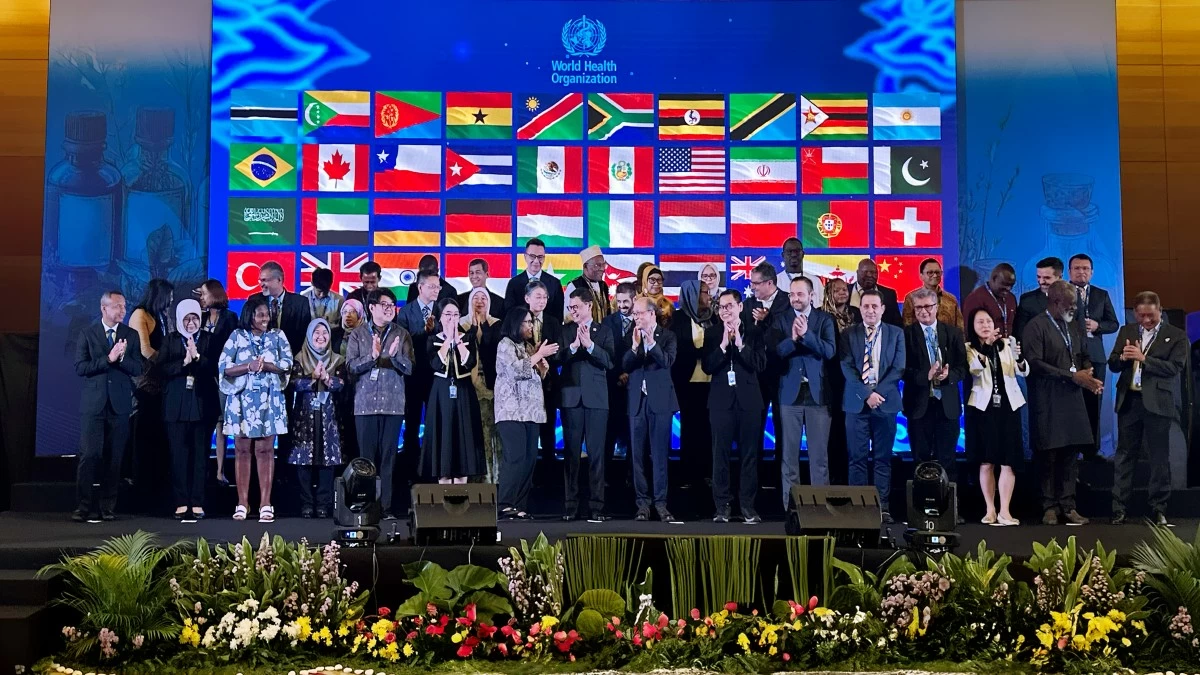
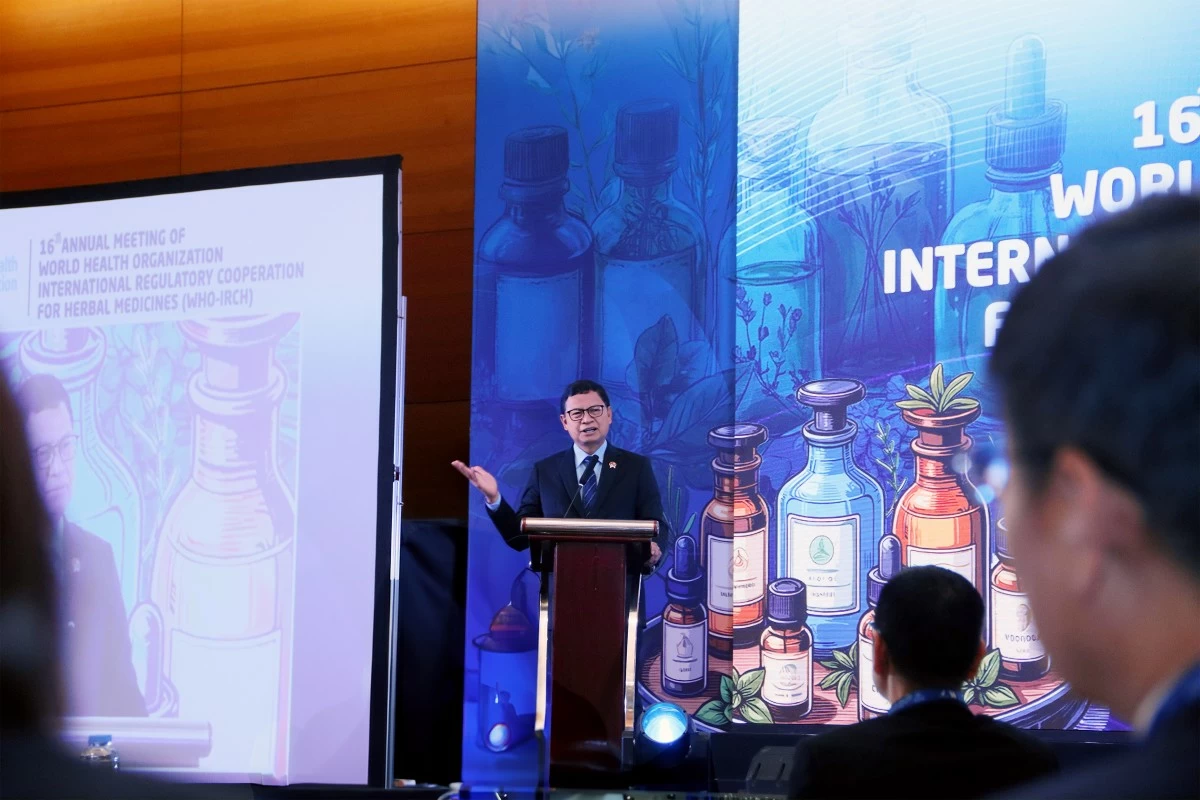
The trend dominated discussions at the 16th Annual Meeting of the World Health Organization’s International Regulatory Cooperation for Herbal Medicines (WHO-IRCH), held in Jakarta from October 13-16. Over 200 regulators, scientists, and industry leaders from 49 countries affirmed herbal medicines as a “critical pillar” of universal health coverage. The World Health Organization (WHO) forecasts that the global herbal industry could reach USD 5 trillion by 2050. Meanwhile, the Food and Agriculture Organization (FAO) reports that over 70% of the world’s demand for herbal medicines is supplied by Asia.
Manila Bulletin
 Lifestyle
Health and Wellness
Filipinos' growing trust in herbal medicine fuels Asia's green pharmacy momentum
Lifestyle
Health and Wellness
Filipinos' growing trust in herbal medicine fuels Asia's green pharmacy momentum
Lifestyle
Health and Wellness
Filipinos' growing trust in herbal medicine fuels Asia's green pharmacy momentum
Filipinos' growing trust in herbal medicine fuels Asia's green pharmacy momentum
By MBrand
Published Nov 16, 2025 05:54 am


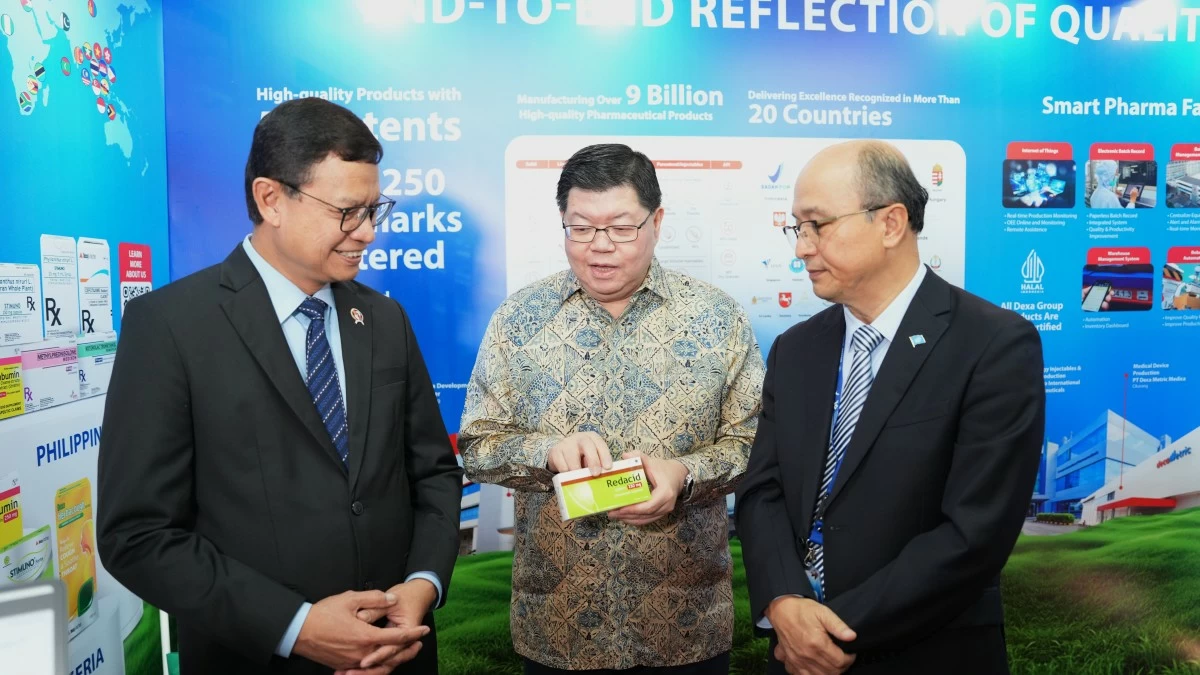
Glorious Dexa Mandaya Philippines, the Philippine subsidiary of Indonesia’s Dexa Group, is experiencing rapid uptake of its clinically validated herbal medicines, mirroring a region-wide pivot toward natural therapies that is cementing Asia’s dominance in the worldwide “Green Pharmacy” sector.
In the Philippines, according to a study by the WHO Western Pacific Regional Office (WPRO), an estimated 70% of the population uses herbal medicines. Among these users, 89% reported using herbal remedies to treat specific illnesses, symptoms, or other health needs.
“We are deeply grateful for the confidence Filipino families and physicians have shown in our evidence-based natural medicines,” said Setiadi, Country Manager of Glorious Dexa Mandaya Philippines. “Our mission is to deliver globally benchmarked, accessible herbal solutions that directly support the ‘Green Pharmacy’ framework now accelerating across Asia.”
Asia’s quantifiable green pharmacy ascendancy
The global herbal medicine market reached USD 70.57 billion in 2023 and is forecast to expand at a compound annual growth rate (CAGR) of 20.91% through 2030, according to Grand View Research. Asia-Pacific contributed USD 21.9 billion in 2023—31.2% of the total. Meanwhile, the Philippines Herbal Supplements Market was valued at USD 11.57 million in 2023 and is predicted to grow at a CAGR of 6.7% from 2023 to 2030, to USD 18.22 million by 2030, according to Insights10.
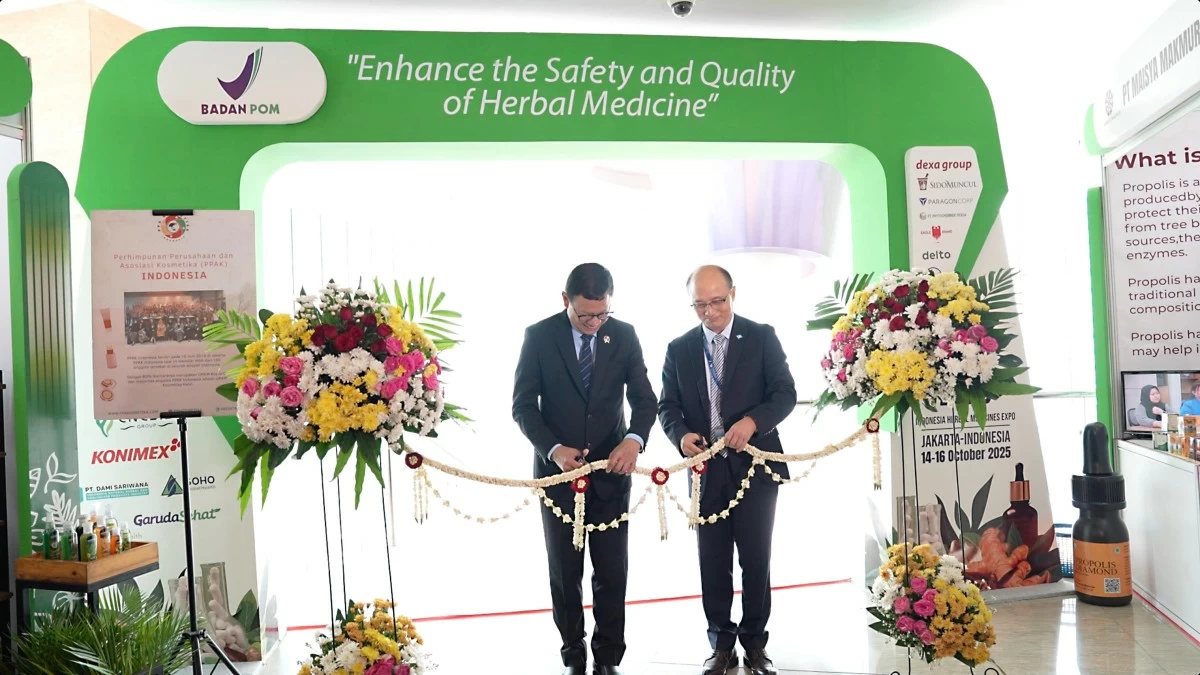
The Jakarta World Health Organization’s International Regulatory Cooperation for Herbal Medicines (WHO-IRCH) plenary endorsed an Academia–Business–Government (ABG) triad to sustain this trajectory:
- Academia: Conduct RCTs and meta-analyses; South-East Asia saw sustained growth in clinical trial registrations through mid-2024, driven by trials in India and other member states (WHO International Clinical Trials Registry Platform).
- Business: Scale GMP-compliant production; the Asia-Pacific herbal market is expected to grow at a CAGR of 25.9% from 2024 to 2030.
- Government: Harmonize standards; ASEAN’s Traditional Medicines and Health Supplements Product Working Group (TMHS PWG) has developed 10 core technical annexes since 2004, including guidelines on contaminants, additives, and labeling.
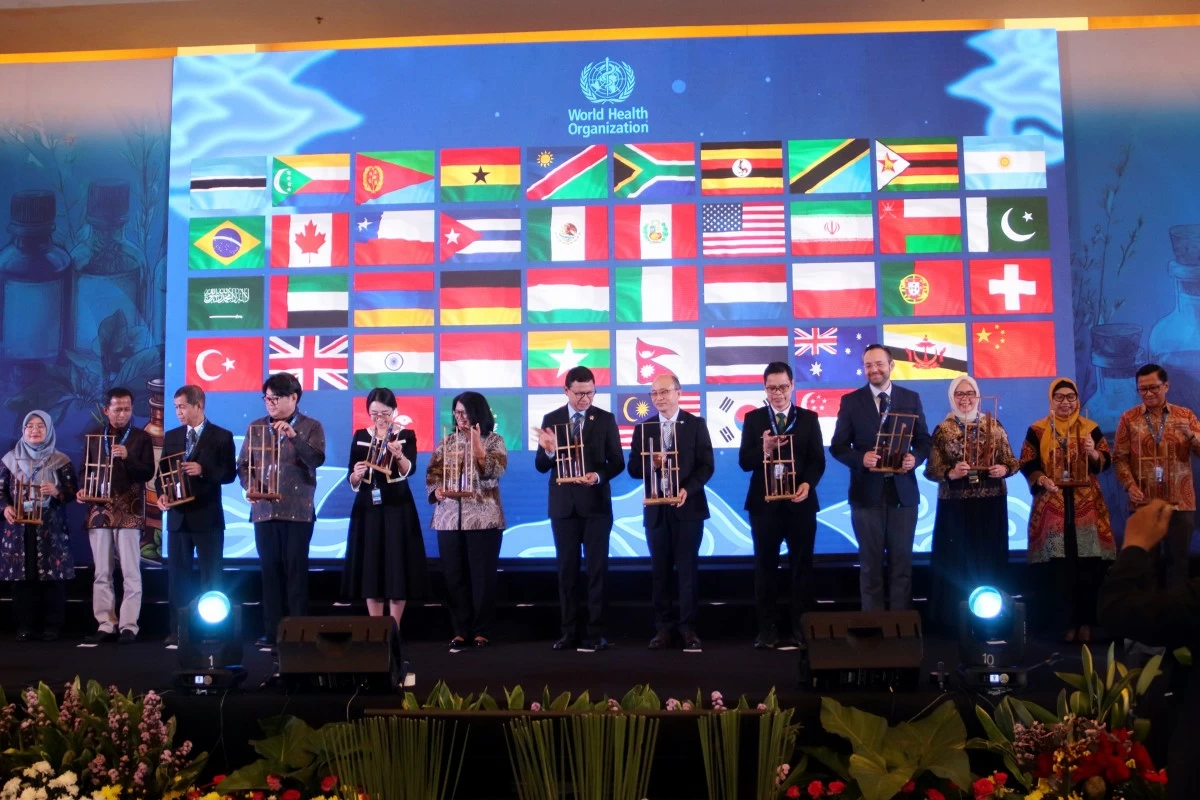
Prof. Dr. Taruna Ikrar, Chairperson of Indonesia’s National Agency of Drug and Food Control (BPOM), stated: “Herbal medicines have transitioned from cultural artifacts to integral, data-driven components of resilient, low-carbon health systems.”
Five clinically backed products winning Philippine prescribers
From biodiversity to global benchmarks
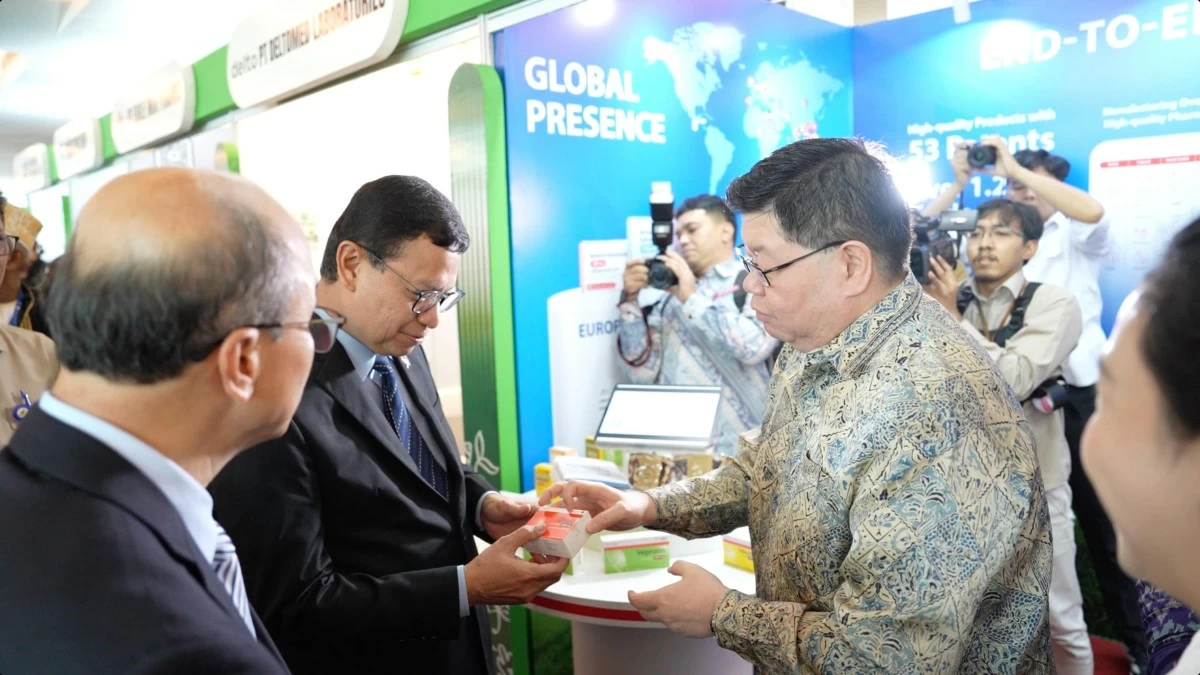
World Health Organization’s International Regulatory Cooperation for Herbal Medicines (WHO-IRCH) delegates toured Dexa Laboratories of Biomolecular Sciences (DLBS) in Cikarang, Indonesia—one of the region’s pioneers in biodiversity-based pharmaceutical research. Since 2005, the facility has filed 51 patents for Integrative Modern Natural Medicines (OMAI), fusing cutting-edge molecular science with clinically validated natural ingredients while adhering to PIC/S GMP standards. DLBS has also published 278 peer-reviewed studies in journals indexed in PubMed and Scopus.
Among its breakthroughs is Disolf, derived from the earthworm (Lumbricus rubellus), which supports healthy blood circulation—an example of transforming local knowledge into globally competitive therapies.
“The Philippine market validates the ABG model with hard metrics,” said Prof. Raymond Tjandrawinata, Executive Director of DLBS. “We view the archipelago as a strategic hub for scaling evidence-based, sustainable healthcare across Asia.”
Glorious Dexa Mandaya Philippines has launched five DLBS-derived, FDA-registered herbal medicines. These products draw on local plants and traditions, backed by published clinical research to support everyday health needs:
Stimuno: Made from Phyllanthus niruri herbs (Indonesia: meniran; Philippines: Sampa-sampalukan or Taltalikod), is well-known as an herbal immunomodulator, indicated to enhance the body's immune system components in conditions such as upper respiratory tract infection, herpes zoster infection, varicella infections, and many other infections. Various clinical trials conducted in both children and adult patients have demonstrated its efficacy in enhancing and activating the immune system to function optimally.
Disolf: derived from earthworm (Lumbricus rubellus), contains Lumbricus low molecular weight protein with antithrombosis and thrombolytic activities. A double-blind randomized controlled trial in postischemic stroke patients, Disolf demonstrated its superior efficacy through better clinical outcomes as measured in Barthel Index after 12 weeks of treatment in comparison to aspirin and clopidogrel.
Morlactan (known as HerbaAsimor in Indonesia): a blend of Galatonol and Striatin formulated to help improve breastmilk production for nursing mothers. Galatonol is made from two indigenous Indonesian herbal medicines, namely Sauropus androgynus (Indonesia: daun katuk; Philippines: Chinese Malunggay or Binahian) and Coleus amboinicus (Indonesia: daun torbangun; Philippines: Suganda, or Latai). Studies showed that extracts of these herbs have a beneficial effect in postpartum women, particularly by increasing breastmilk production, as evidenced by higher milk volume excreted. Striatin contains a purified bioactive fraction of Channa striata (snakehead fish) protein, known for its efficacy in accelerating wound healing during the postpartum period. (No approved therapeutic claim)
Anerdic (known as Redacid in Indonesia): Crafted from an indigenous Indonesian cinnamon (Cinnamomum burmannii), recognized as a unique antiulcer agent: proton pump inhibitor, proton pump down regulator, provides gastroprotection effect along with antioxidant activity, making it a suitable choice for symptomatic relief of gastritis, heartburn and gastric hyperacidity which have been supported through various clinical studies to established its efficacy and safety profile.
Inbumin: using modern technology called Tandem Chemistry Expression Bioassay System (TCEBS), Striatin, as the active ingredient of Inbumin, is obtained from the protein of Channa striata or snakehead fish (Indonesia: ikan gabus; Philippines: dalag or haruan). Traditionally, snakehead fish have been used in communities to support wound healing after childbirth and surgery. Inbumin combines this traditional remedy with advanced pharmaceutical technology and is supported by clinical trials, ensuring the efficacy of snakehead fish extract in accelerating wound healing. A clinical study in postpartum patients discovered that snakehead fish extract accelerates recovery, particularly in wound healing. (No approved therapeutic claim)