







The CEO can't eat his product. That's why it works
Published Nov 15, 2025 08:06 am


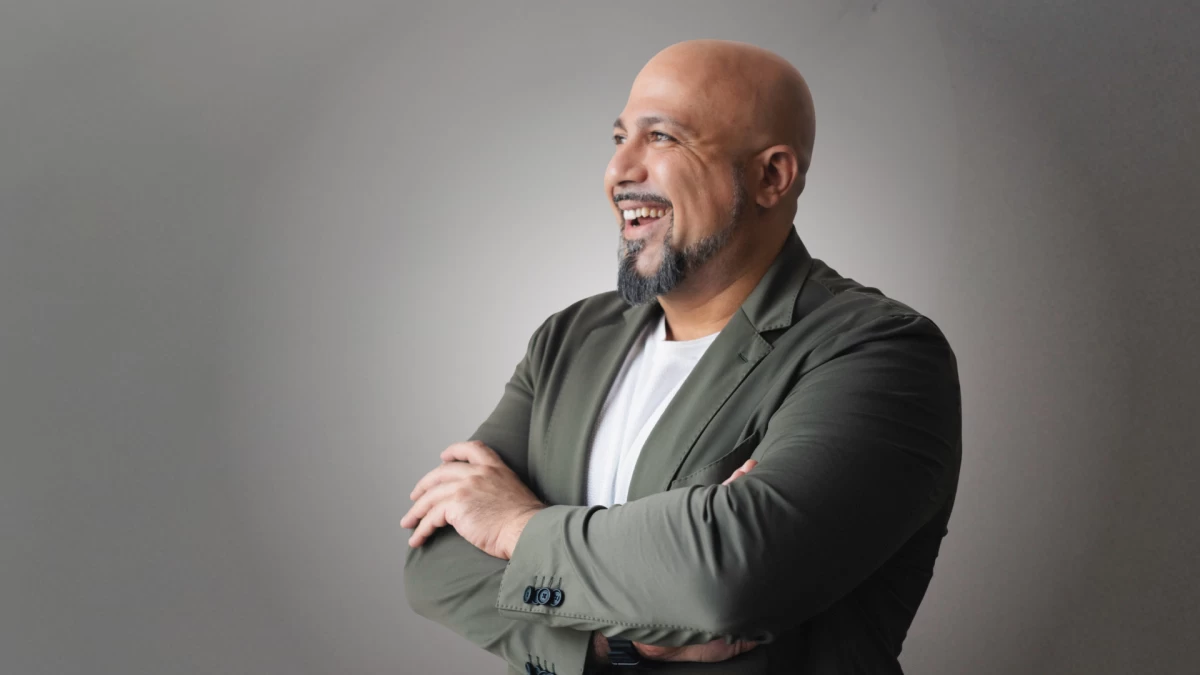
Bebang Halo-Halo President and CEO Sam Karazi
Sam Karazi built a multi-million-peso food empire on a product he can’t eat. As the president and chief executive officer (CEO) of the rapidly expanding Bebang Halo-Halo, Karazi is severely allergic to dairy—the core ingredient giving the trademark Filipino dessert its creamy texture.
This ultimate irony, Karazi argues, is the centerpiece of his success. His inability to rely on personal taste forced him into pure objectivity, a strategic necessity in an industry often driven by emotion. By viewing the business as an engineering challenge rather than a culinary endeavor, Karazi said he removed the “subjective distraction of flavor.”
“Honestly? No. No regret, zero frustration,” Karazi said. “My satisfaction doesn’t come from the flavor, it comes from knowing that my team and I are the ones who built the engine that delivers that happiness, perfectly and at scale.”
This systems-first approach, which redefined product development and quality control, focused his efforts on building the scalable structure that has propelled Bebang to more than 40 locations. When Karazi watches a customer’s eyes widen after their first spoonful, he feels a surge of pride, knowing his biggest weakness has become his greatest strategic asset.
Data, not palate
In food entrepreneurship, a CEO’s personal preference can often be a liability. Karazi views his allergy as the antidote to this subjective trap.
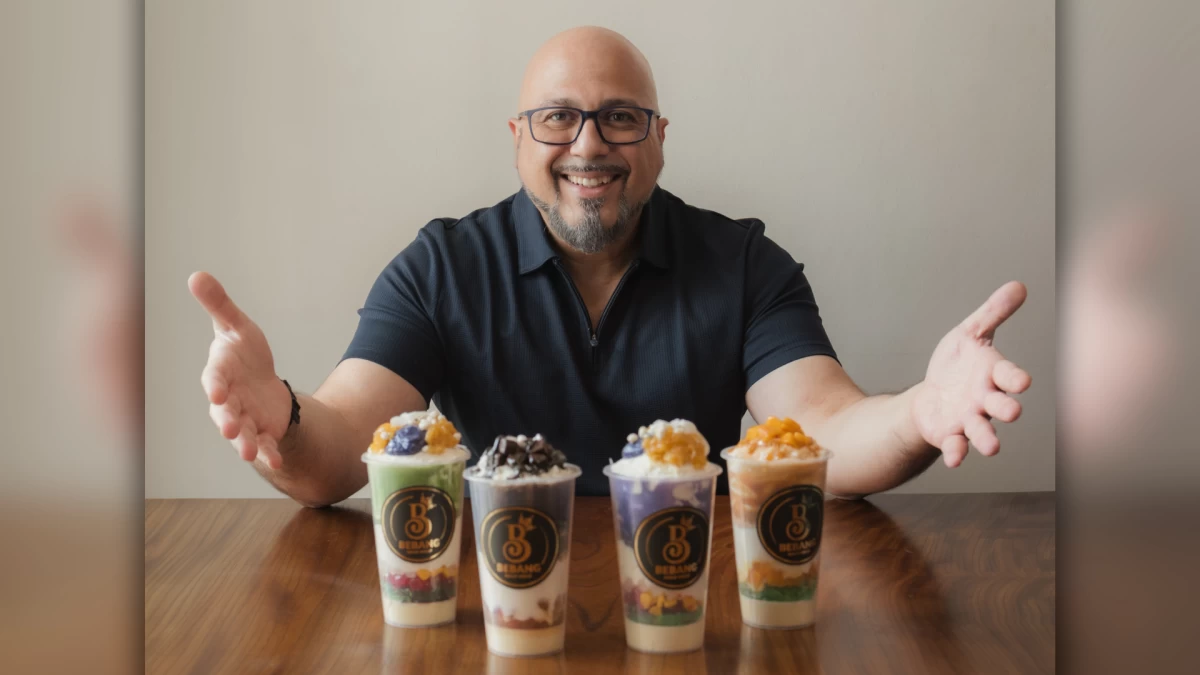
Karazi refers to his inability to experience his own product as the key to Bebang’s success: “A CEO trusting their own gut is a data set of one.”
“A CEO trusting their own gut is a data set of one,” he explained. “My inability to taste forces me to be 100 percent objective. I must rely on hard data and, most importantly, the real feedback from thousands of our customers. It removes the ‘I think’ and replaces it with ‘The customer data shows.’ This objectivity is the cornerstone of our entire product strategy.”
This data-driven approach proved critical during the scaling of the Leche Flan dessert. The original research and development process, while producing excellent flavor, presented significant manufacturing challenges. Karazi, unattached to the original recipe, approached it purely as an engineering problem.
“I looked at it purely as an engineering and scaling problem,” he recalled. “We completely re-engineered the production method to be scalable and consistent. The result was a product that was more consistent, faster to produce, and, according to the customer data, even better than the original.”
Karazi’s co-founder and chief product officer, Mae Salumbides, serves as his primary “taste proxy” and the “guardian of the core identity.” While Karazi handles market feedback and systems building, Salumbides translates that data into a sensory experience that stays true to the brand’s heritage.
Bebang Halo-Halo is a masterclass in turning a viral product into a sustainable, high-ROI business. In just four years, the company has expanded from a single shop to more than 40 locations, with 14 more under construction, targeting 54 locations this year. This pace, which rivals decades-old brands, is due to a ruthless focus on operational efficiency.
For franchisees, Karazi boasts an average return on investment (ROI) of approximately two years, which is less than half the time required by many larger, established brands. He attributes this accelerated timeline to two core efficiencies.
First is the centralized commissary model. “We are a tech-driven logistics company that happens to sell a world-class dessert,” Karazi stated. By moving all complex, high-skill preparation work to a central hub, local store teams are transformed from “cooks” to “assemblers.”
“The quality is controlled at the source,” he explained. “We’re not training 54 different chefs; we’re training 54 teams to perfectly assemble a product that Mae’s team perfected at our central hub. This guarantees an identical experience in every store.”
The second pillar is a sophisticated marketing and retention engine. Recognizing that desserts are often infrequent purchases, Bebang built systems to keep customers engaged. Campaigns like the “Roll of a Lifetime” and the “Bebang Exclusive Buddies” gamified loyalty program are designed to build community and turn Bebang into a habit.
“It’s these three pillars—our proven systems, our central commissary, and our powerful marketing engine—that create the pathway to profitability for our partners,” Karazi emphasized.
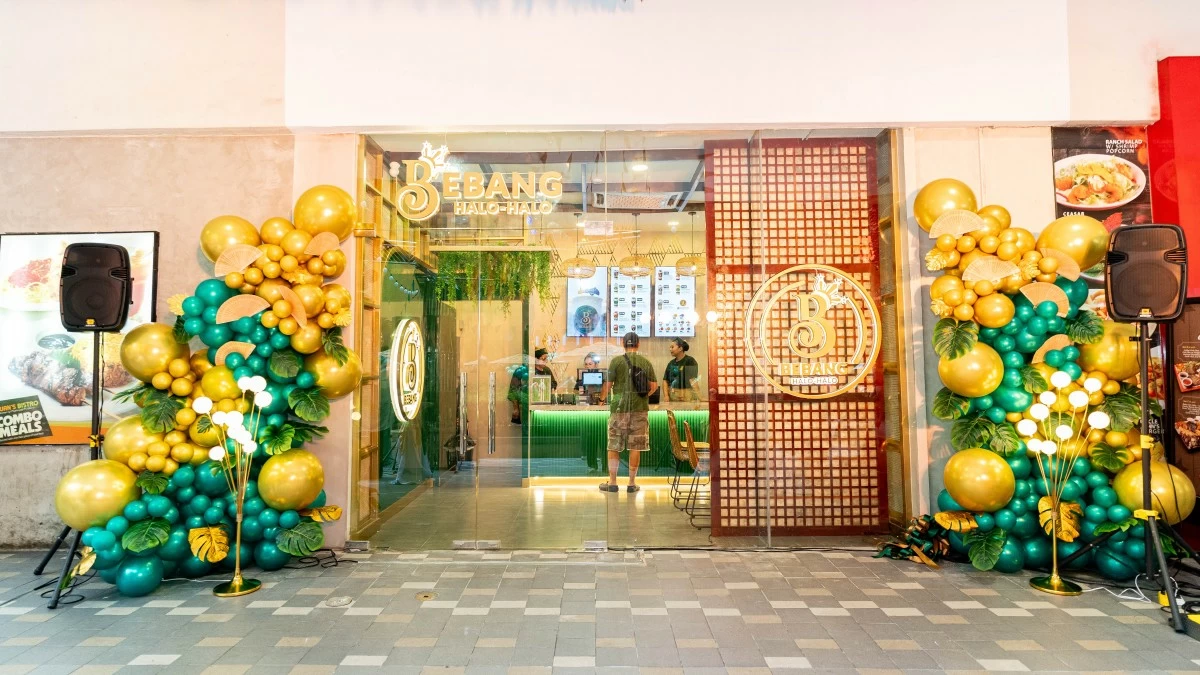
The centralized model moves complex prep work to a central hub, allowing local store teams, like this one at the Mall of Asia, to operate as highly efficient “assemblers.”
Global strategy
With a proven model and a full waitlist of franchisees, Bebang is now shifting its focus to the world stage. The first stop is Dubai, a choice that is both deeply personal and highly strategic.
“Both my co-founder, Mae, and I spent over 10 years of our lives in Dubai,” Karazi shared. Strategically, he views Dubai as a “true bridge between cultures and a global, premium hub,” allowing the company to launch as a global brand from day one.
However, the biggest challenge in this international push is ensuring the integrity of the product. For over 18 months, the R&D team has worked to enhance shelf life and stability, ensuring the complex cold chain logistics required for export, all while maintaining flavor integrity.
“Engineering a system to deliver a perfect frozen product in Manila’s heat is the same R&D that lets us solve for Dubai and California,” Karazi said. This difficult, expensive process is his “moat,” creating a significant barrier to entry for competitors.
Karazi is confident that halo-halo can succeed globally, drawing a comparison to the universal appeal of milk tea and bingsu.
“Halo-halo is a fiesta in every single spoonful. You get creamy, then sweet, then chewy, then crunchy. Bebang’s halo-halo is an indulgent celebration, and that is the experience we’re exporting to the world,” he argued.
Sam Karazi may never know the taste of the empire he built, but he knows its value. He built a system that turns a traditional dessert into a perfect, reliable experience delivered with the precision of a logistics giant.
His allergy didn’t limit his vision; it clarified it, creating a blueprint for global expansion built on data, efficiency, and scale.