






Manila Bulletin
 Philippines
National
Group urges reform, accountability as public outrage over corruption intensifies
Philippines
National
Group urges reform, accountability as public outrage over corruption intensifies
Philippines
National
Group urges reform, accountability as public outrage over corruption intensifies
Group urges reform, accountability as public outrage over corruption intensifies
Published Nov 15, 2025 05:38 pm


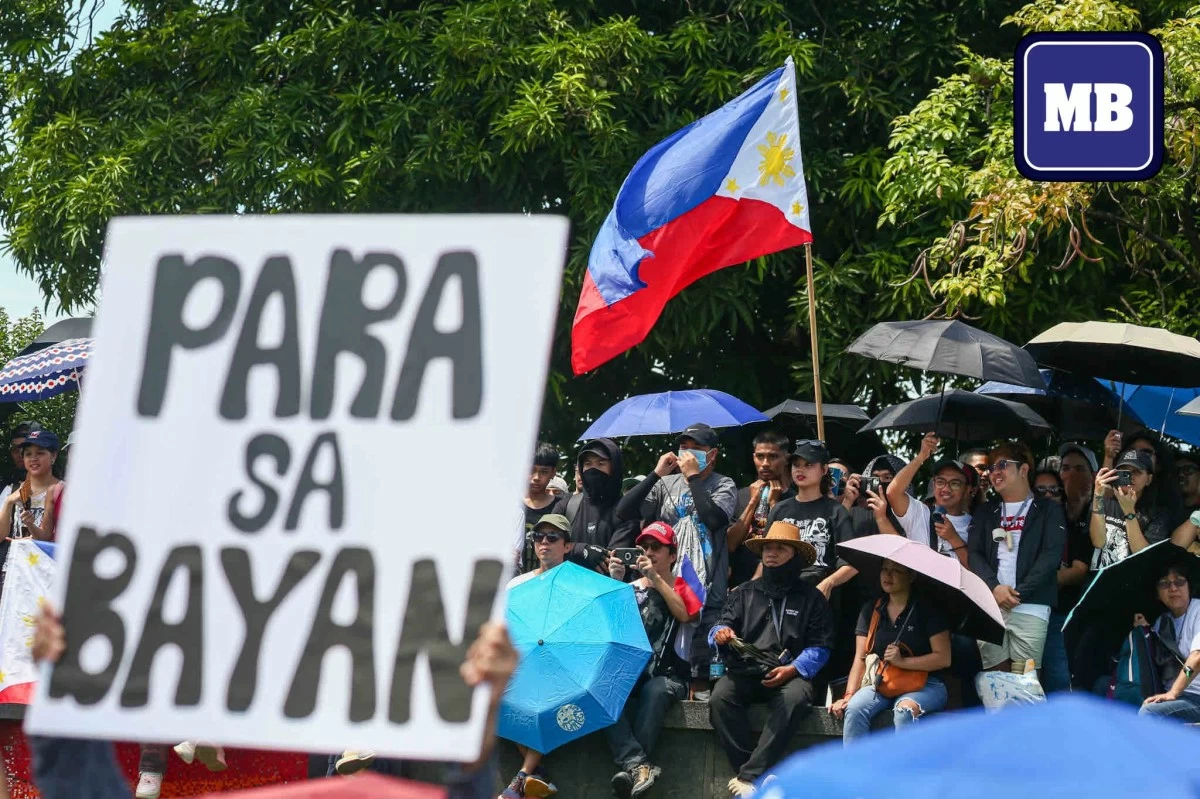
Protesters from various groups stage a rally against corruption in flood control projects at Luneta Park in Manila, Sunday, Sept. 21.
They urged the government to hold officials and contractors accountable for billions lost to anomalous projects. (?John Louie Abrina I MB)
More people are demanding accountability and transparency amid allegations of widespread corruption involving flood control and other infrastructure projects, advocacy group Democracy Watch Philippines said.
Citing recent result of the new Social Weather Stations (SWS) survey, the group said data revealed deep public anger over corruption and the government’s perceived failure to curb it.
“Transparency, accountability, and public trust are essential to long-term growth and stability. Filipinos are no longer content with promises. They want justice and reform, and they want leaders who are ethical and accountable,” said Victor Andres “Dindo” Manhit, President of Stratbase Institute and Lead Convenor of Democracy Watch Philippines.
“What the people demand now is drastic, substantial, and specific. There has to be full transparency in government procurement, stronger independent oversight, and real accountability for wrongdoing,” he underscored.
The SWS’ Surveys on Corruption revealed that 74 percent of Filipinos favor tougher penalties for corrupt officials, 71 percent support the filing of cases, and 63 percent call for full public access to officials’ Statements of Assets, Liabilities, and Net Worth (SALNs).
The same survey disclosed that 83 percent of Filipinos believe corruption is most widespread at the national level, and 73 percent identify senior government officials as among the most corrupt.
Two-thirds (66 percent) say the government’s anti-corruption efforts are “hardly effective,” while 77 percent of respondents in Mega Manila and 80% in NCR believe corruption has worsened compared to three years ago.
Manhit said the SWS survey revealed that the people are losing confidence in institutions that fail to deliver justice.
He underscored that corruption is not merely a political issue but an economic one, citing how unethical leadership and weak institutions discourage investment and weaken competitiveness.
“To think that a country’s economic journey is far removed from good governance is simply wrong. The two are inseparable; no economy can thrive where corruption thrives. Inclusive governance and economic progress go hand in hand. Corruption worsens inflation, weakens public services, and pushes the poor deeper into poverty,” he said.
Democracy Watch echoed the growing sentiment among civil society, faith-based groups, and the private sector that the fight against corruption must go beyond rhetoric and be backed by institutional reforms and visible accountability.
“The people are angry, and rightly so. Corruption robs us not just of public funds, but of the essential services and opportunities we deserve as citizens,” said Manhit.
Manhit pointed out that genuine reform requires sustained leadership that empowers citizens and protects democratic checks and balances.