






Manila Bulletin
 Philippines
National
Puno explains why Romualdez can't be implicated for conspiracy in flood control projects mess
Philippines
National
Puno explains why Romualdez can't be implicated for conspiracy in flood control projects mess
Philippines
National
Puno explains why Romualdez can't be implicated for conspiracy in flood control projects mess
Puno explains why Romualdez can't be implicated for conspiracy in flood control projects mess
Published Nov 14, 2025 12:47 pm


At A Glance
- The legal thresholds for malversation and plunder make it clear why Leyte 1st district Rep. Martin Romualdez cannot be implicated without evidence of conspiracy in the flood control projects controversy.
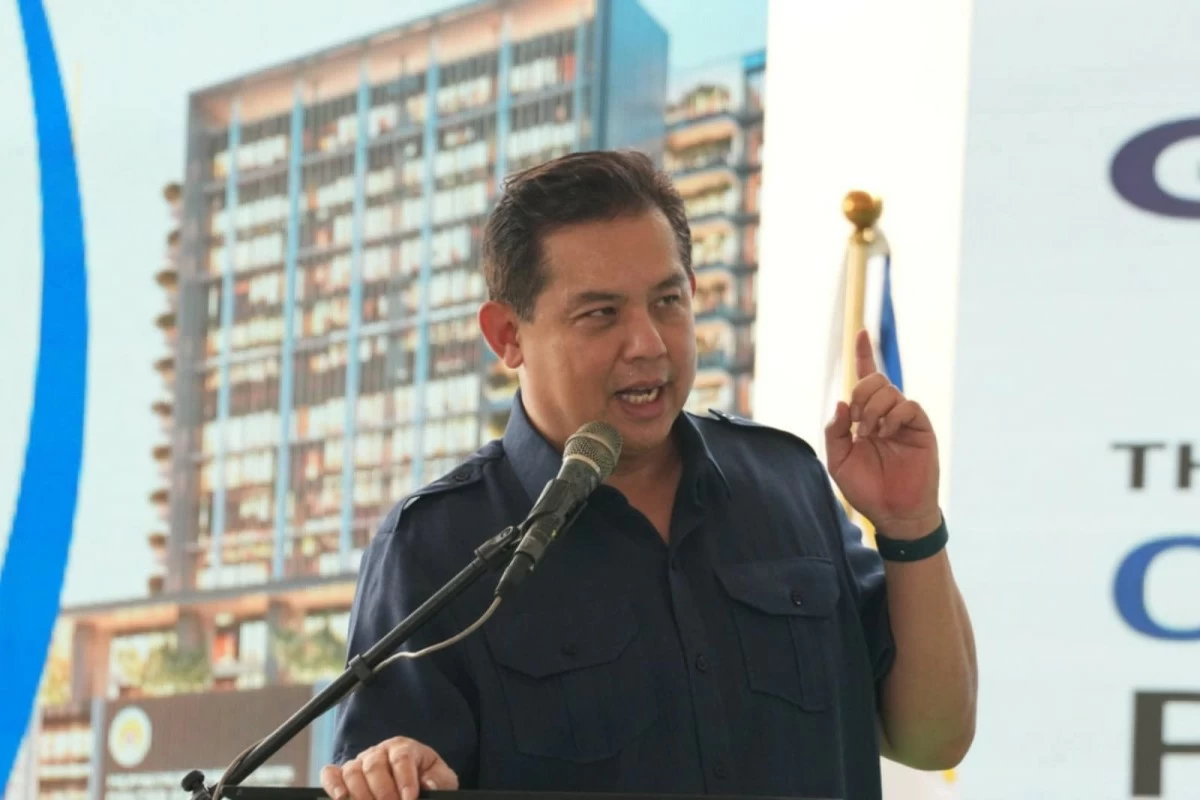
Leyte 1st district Rep. Martin Romualdez (PPAB)
The legal thresholds for malversation and plunder make it clear why Leyte 1st district Rep. Martin Romualdez cannot be implicated without evidence of conspiracy in the flood control projects controversy.
Thus, said Deputy Speaker Antipolo City 1st district Rep. Ronaldo "Ronnie" Puno, who as a lawyer gave his two cents on the case of the former House Speaker, Romualdez.
Puno said the record simply does not support the allegations against the Leyte lawmaker. “Si Speaker kasi walang pakialam sa buong budget process, unang-una hindi siya miyembro… ng bicam. Former Speaker Martin Romualdez, hindi siya member noon sa bicam so never siya nag-attend ng kahit ano.”
(The Speaker doesn’t care about the entire budget process. First of all, he is not a member… of the bicam. Former Speaker Martin Romualdez, he was not a member of the bicam back then so he never attended anything.)
As for the enrolled budget sent to the Senate, Puno clarified that the Speaker’s signature is purely ministerial. “Sasabihin mo ‘ah hindi pinirmahan niya ’yong GAB na pinadala sa Senado’, pero pinirmahan niya ’yon (nang) hindi approved ’yon… ministerial as the head of the House.”
(You might say, ‘ah, he didn’t sign the GAB that was sent to the Senate,’ but he did sign it even though it wasn’t approved… it was ministerial as the head of the House.)
The GAB stands for General Approriations Bill. Onced signed by the President, it becomes the General Appropriations Act (GAA) or enacted national budget.
Puno said he agrees with President Marcos’ recent remarks questioning the absence of evidence. “So sa tingin ko tama ’yong sinasabi ng Pangulo, ano’ng ebidensya natin ngayon kung wala ’yon?”
(So I think what the President is saying is correct—what evidence do we have now if that isn’t there?)
Puno explained that two charges are being examined in the ongoing investigations — malversation and plunder — each with distinct elements that must be met.
“Dalawa kasing charges ang pwedeng ipasok ngayon eh ’no, ’yong isa, malversation — ’yong pera na dapat mapunta sa kalye, napunta sa bulsa nila, malversation ’yon ’di ba. So kung mahigit ng ₱8 million ’yan, non-bailable ’yan, finile pa lang kulong ka na.”
(There are two charges that can be filed now, right? One is malversation—the money that should have gone to the streets ended up in their pockets, that’s malversation, isn’t it? So if that’s more than ₱8 million, it’s non-bailable; once it’s filed, you’re jailed immediately.)
He noted that plunder carries an even higher burden. “The other one is plunder, kailangan ₱50 million ang halaga, ’yong malversation P8 million. ’Yong plunder na ₱50 million kailangang mag-prove ka ng conspiracy na nagka-sabwatan ’yong mga tao, nagka-ayusan, nagka-usap-usap tapos no’ng ginawa nila ’yan, pinaghatian ang pera,” he said.
(The other one is plunder, which requires ₱50 million in value. Malversation is ₱8 million. For plunder at ₱50 million, you need to prove conspiracy—that people colluded, made arrangements, talked it over, and when they carried it out, they divided the money among themselves.)
In contrast, malversation is more straightforward: “Sa malversation hindi gano’n, kahit hindi mo nakita kung saan pumunta ’yong pera, pero ito ’yong gastos na pwedeng pinuntahan dapat ng pera na ’yan, di mo dinala doon, malversation ka. So mas madali ’yong kasong malversation.”
(In malversation, it’s not like that, even if you don’t see where the money went, if there are expenses where that money should have gone but you didn’t bring it there, that’s malversation. So the charge of malversation is easier.)
Given these standards, Puno said the question is simple. "Ngayon, ano ebidensya laban sa lahat? Kung malversation ang pinag-uusapan mo, paano mo isasama ’yong congressman kung hindi naman siya kasama sa pirmahan sa lahat ng dokumento sa paggastos ng pera sa maling paraan?”
(Now, what evidence is there against everyone? If you’re talking about malversation, how will you include the congressman if he wasn’t part of signing all the documents for spending the money in the wrong way?)
Puno instead pointed to the officials who have operational roles in government spending. “Ang tatamaan d’yan, siguro, ’yong tumanggap ng pera, kontratista; ’yong nagbayad, ’yong DPWH (Department of Public Works and Highways); nag-review, COA (Commission on Audit); ’yong nag-release ng pera, DBM (Department of Budget and Management).”
(The ones who will be hit there, probably, are those who received the money—the contractors; those who paid, the DPWH; those who reviewed, the COA; and those who released the money, the DBM.)
That is why investigators are examining whether conspiracy exists — a requirement for plunder, according to Puno.
But without credible testimony, plunder cannot be earbalsihed, he said.