






Manila Bulletin
 Business
Banking & Finance
Peso may crash to ₱60 per dollar if governance woes, greenback demand persist
Business
Banking & Finance
Peso may crash to ₱60 per dollar if governance woes, greenback demand persist
Business
Banking & Finance
Peso may crash to ₱60 per dollar if governance woes, greenback demand persist
Peso may crash to ₱60 per dollar if governance woes, greenback demand persist
By Derco Rosal
Published Nov 13, 2025 02:22 pm


At A Glance
- Should the ongoing governance concerns and investors' flocking to safe-haven United States (US) dollars continue to persist, the Philippine peso could come crashing down to the P60:$1 level.
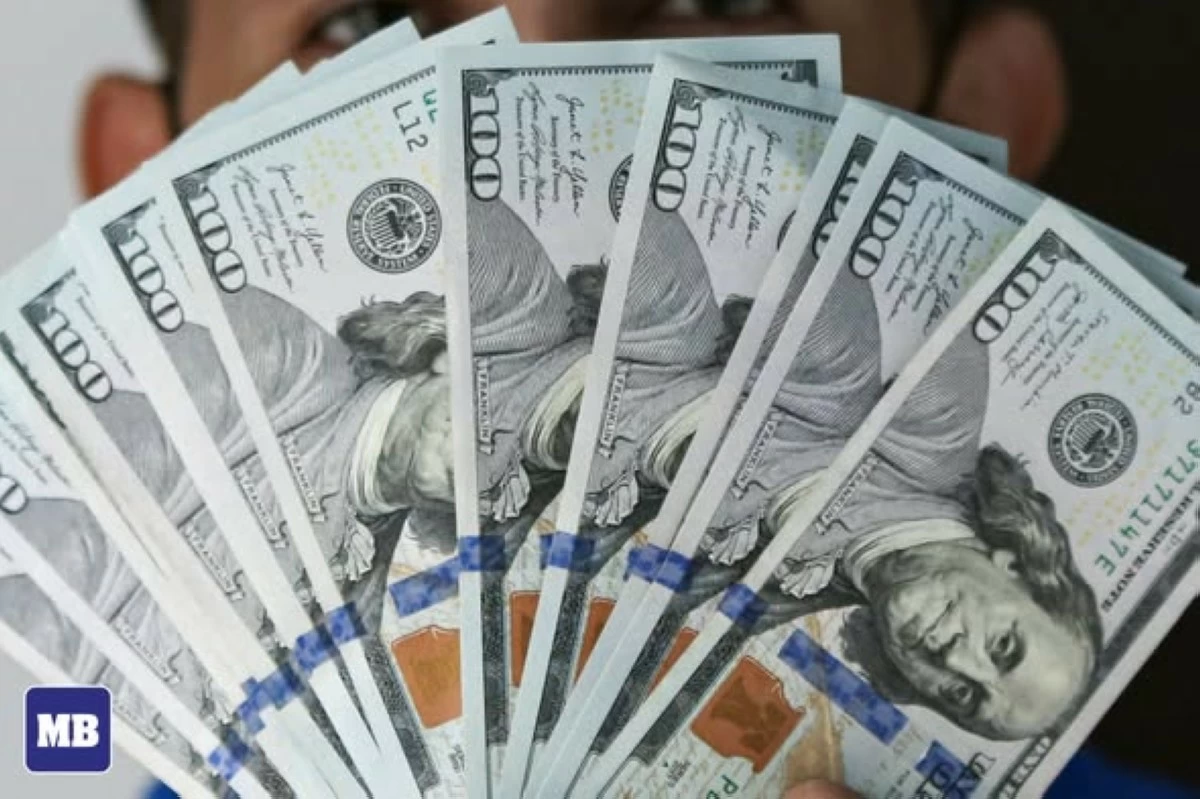
Should ongoing governance concerns and investors’ flocking to safe-haven United States (US) dollars continue, the Philippine peso could come crashing down to the ₱60:$1 level.
This comes on the heels of the peso hitting a fresh record low, closing at ₱59.17 against the US dollar on Wednesday, Nov. 12. Wednesday’s close surpassed the previous all-time low of ₱59.13:$1 on Oct. 28.
Reyes Tacandong & Co. senior adviser Jonathan Ravelas said the peso’s recent losing streak means global investors are flocking to safe havens, and market confidence is being dampened by dragging issues on public spending.
Ravelas said in a Nov. 13 LinkedIn post that the local currency breaching the ₱60:$1 level is “probable if these trends persist.”
While the Bangko Sentral ng Pilipinas (BSP) has tools to cushion the peso from further drops, Ravelas said the market—more than intervention—needs “credibility and clear policy signals” to regain trust.
In an Nov. 13 report, Japanese financial giant MUFG Bank Ltd. said the US dollar appears too expensive relative to the peso, making the local currency appear undervalued. The peso is expected to remain relatively stable at current levels despite lingering setbacks from flood-control graft scandals.
Citing the 2013 pork barrel fund scandal, MUFG senior currency analyst Michael Wan said government spending typically weakens for about six months before gradually recovering, although complete normalization may take over a year.
Wan still expects the peso to strengthen against the greenback, lifted by remittance inflows and increased foreign investment from the peso bonds’ potential inclusion in JPMorgan Chase & Co.’s Government Bond Index-Emerging Markets (JPM GBI-EM).
Besides these positive developments, Wan also expects the peso to benefit from steady price movements as of October and the lagged economic support from the BSP’s cumulative 1.75 basis points (bps) in key interest rate reductions since late 2024.
Bank of the Philippine Islands (BPI) lead economist Emilio S. Neri Jr. said recent policy easing could have weighed on the peso, especially as the US Federal Reserve (Fed) remains less dovish in its policy stance.
On the flipside, Neri said a slight peso depreciation could offer “some support to growth by boosting household income through remittances, which in turn could help consumption.”
However, Neri warned that policy easing and a weaker peso offer only short-term relief, noting that lasting output expansion will require structural and governance reforms, particularly in improving public spending and strengthening the country’s economic framework, to help the Philippines catch up with its regional peers.
Gross domestic product (GDP) growth emerged worse than expected in the third quarter at four percent, the country’s slowest output expansion in four-and-a-half years. It also fell significantly short of the already downscaled full-year target of 5.5 to 6.5 percent.
Given the disappointing GDP growth data, there have been rumors circulating in the market that the BSP could deliver an off-cycle monetary policy easing, especially a reduction in big banks’ reserve requirement ratio (RRR).
“No details on said rumors yet,” said Michael Ricafort, chief economist at Rizal Commercial Banking Corp. (RCBC).
However, he noted that every one-percentage-point (ppt) cut in big banks’ RRR would inject roughly ₱180 billion in additional liquidity into the banking system, potentially boosting lending and investments in areas like fixed income and bonds.
BSP Governor Eli M. Remolona Jr. earlier said that further RRR easing may happen in 2026 as the central bank looks to ramp up liquidity management and make the yield curve more reliable.
To recall, the ratio for big banks was slashed by 200 bps to five percent from seven percent in February this year. The ratio for digital banks was shaved by 150 bps to 2.5 percent from four percent, and for thrift banks, it was reduced by 100 bps, bringing it down to zero.