






Manila Bulletin
 Philippines
National
DBM highlights LGU funding, disaster readiness as Senate opens 2026 budget plenary
Philippines
National
DBM highlights LGU funding, disaster readiness as Senate opens 2026 budget plenary
Philippines
National
DBM highlights LGU funding, disaster readiness as Senate opens 2026 budget plenary
DBM highlights LGU funding, disaster readiness as Senate opens 2026 budget plenary
Published Nov 13, 2025 02:08 pm


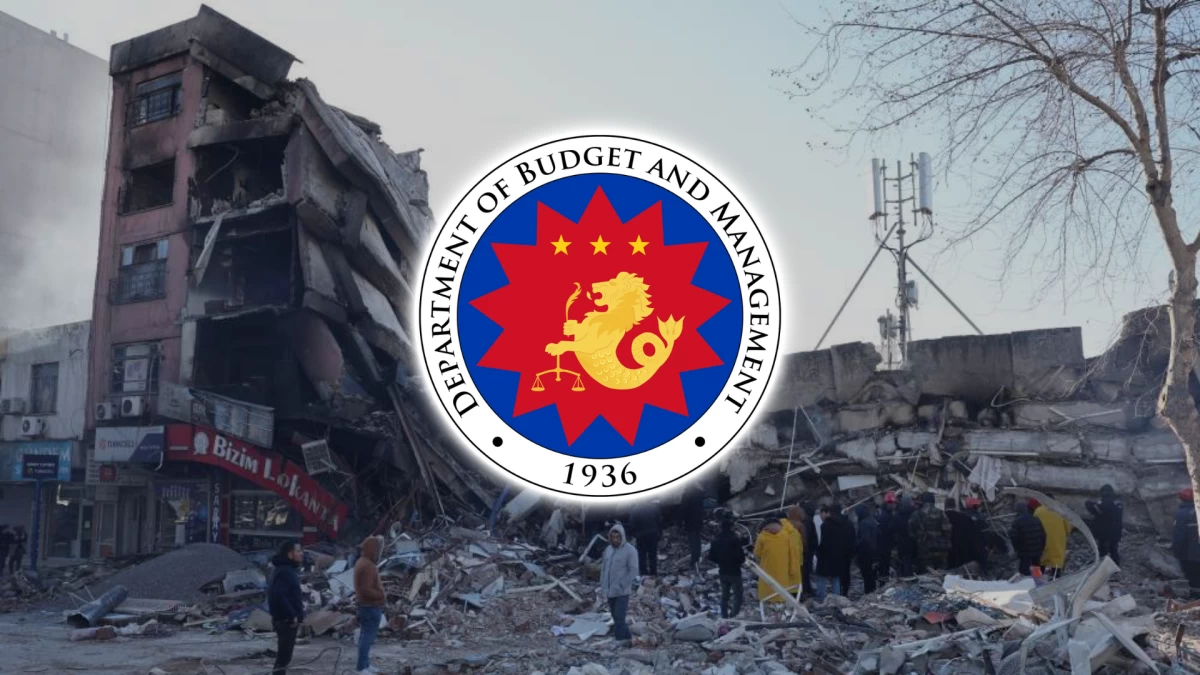
The Department of Budget and Management (DBM) reaffirmed its commitment to fiscal discipline, local empowerment, and disaster resilience as the Senate began plenary deliberations on the proposed P6.793-trillion national budget for 2026.
During the initial rounds of debate, senators focused on fund allocations for local government units (LGUs) and disaster-response programs — priorities aligned with President Marcos’ directive to craft a “good, clean budget” that strengthens community capacities and ensures efficient use of public funds.
Budget Secretary Amenah Pangandaman said the DBM continues to emphasize accountability and improved budget utilization across all levels of government.
“We really need to improve the budget utilization of the government, including and especially the local government units,” Pangandaman said.
“The most important thing for all of us, especially the implementing agencies, is to ensure that every one of those projects is carried out,” she added.
Key items under scrutiny include appropriations for the Local Government Support Fund, LGUs’ special shares in national tax proceeds and fire-code fees, death benefits for barangay officials, and the budgets for the Bangsamoro Autonomous Region in Muslim Mindanao (BARMM), Contingent Fund, Miscellaneous Personnel Benefits Fund, National Disaster Risk Reduction and Management Fund, Pension and Gratuity Fund, and Unprogrammed Appropriations.
These allocations aim to bolster local infrastructure, strengthen disaster preparedness, and enhance social welfare delivery, particularly in provinces still reeling from the recent typhoons.
Focus on resilience after successive typhoons
The DBM’s emphasis on disaster-readiness follows consecutive storms that struck several regions this year.
Typhoon Tino affected nearly 1.95 million Filipinos across the Visayas and northern Palawan, while Super Typhoon Uwan displaced 1.4 million residents and disrupted power for almost 3 million households nationwide, according to government data.
In response, lawmakers called for tighter coordination among agencies and LGUs to ensure the prompt release and proper use of funds for relief and rehabilitation, avoiding bureaucratic delays that often hamper post-disaster efforts.
Senators from both majority and minority blocs also underscored the need for fiscal transparency and stronger accountability mechanisms, particularly for locally implemented projects.
The Senate is expected to continue plenary debates in the coming weeks as it examines sectoral budgets and realigns spending priorities before final approval.
Last week, President Marcos ordered the release of P1.307 trillion in programmed funds for the fourth quarter of the year to support disaster relief, recovery, and rehabilitation efforts for communities affected by recent calamities.
Presidential Communications Office (PCO) Undersecretary Claire Castro said the President’s directive aims to ensure that government resources are mobilized efficiently to help affected Filipinos rebuild their lives.
She added that the President also instructed all government agencies to utilize the funds with integrity and effectiveness to stimulate economic growth and ensure that every peso contributes to the country’s continued recovery and development.
According to Castro, a large portion of the budget will be allocated to social services to ensure that all Filipinos benefit from government spending.
She added that proper government spending, particularly in sectors such as infrastructure, health, education, and direct subsidies, generates more profits that help grow the economy and boost both consumption and investment.