






Manila Bulletin
 Business
Banking & Finance
BPI sees no 'jumbo' BSP rate cut, flags risk of wrong market signal
Business
Banking & Finance
BPI sees no 'jumbo' BSP rate cut, flags risk of wrong market signal
Business
Banking & Finance
BPI sees no 'jumbo' BSP rate cut, flags risk of wrong market signal
BPI sees no 'jumbo' BSP rate cut, flags risk of wrong market signal
By Derco Rosal
Published Nov 13, 2025 03:43 pm


At A Glance
- Even as the economy slowed sharply in the third quarter, Bank of the Philippine Islands (BPI) believes the Bangko Sentral ng Pilipinas (BSP) would not resort to delivering 50 basis points (bps) in the key borrowing cost, as this could convey the wrong signal to the market.
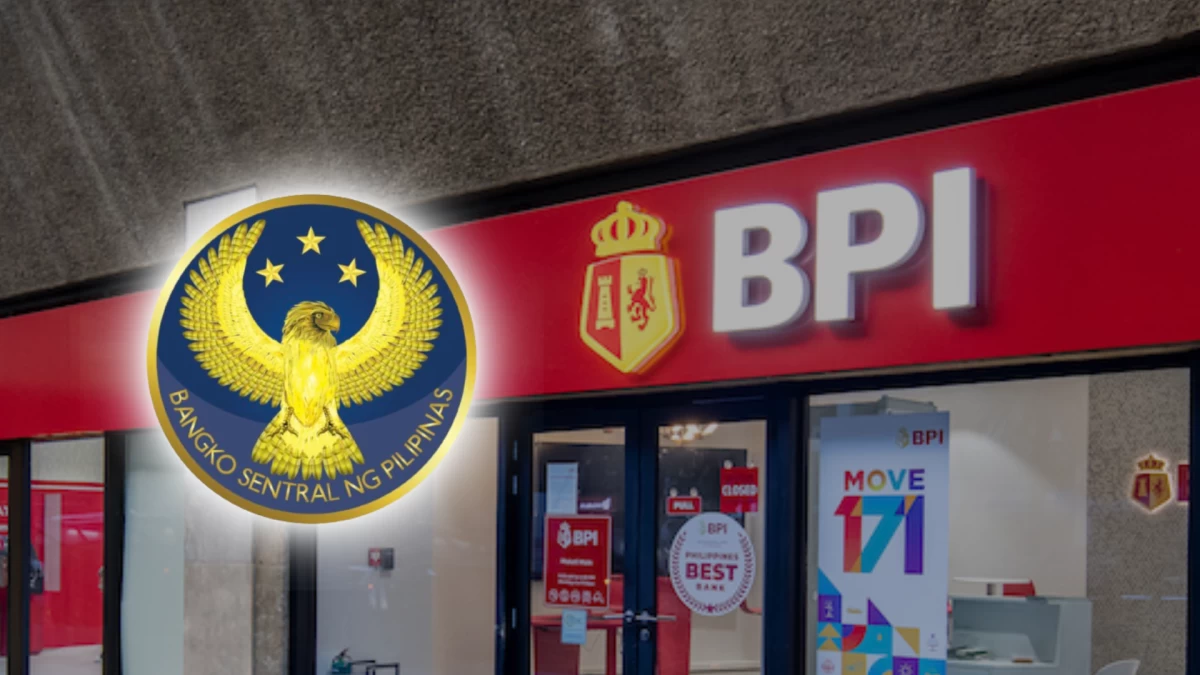
Even as the economy slowed sharply in the third quarter, Bank of the Philippine Islands (BPI) believes the Bangko Sentral ng Pilipinas (BSP) will not deliver a 50-basis-point (bp) rate cut, saying such a move could send the wrong signal to the market.
BPI President and Chief Executive Officer (CEO) Jose Teodoro Limcaoco told reporters on the sidelines of the Ayala-led bank’s event that a 50-bp reduction in one go would be “drastic.”
“It’s drastic. It might send the wrong signal,” Limcaoco said on Wednesday night, Nov. 12. “You have to look at what the US [United States] Federal Reserve (Fed) is doing. If you cut significantly faster than the Fed, that means a weak peso.”
The peso slipped to another record low of ₱59.17 against the US dollar on Wednesday, amid strong global demand for the greenback and investor caution over concerns about governance in public funds.
Limcaoco declined to speculate on possible BSP intervention in the foreign exchange (forex) market. “It’s up to the BSP. They are responsible for monetary policy, for keeping prices steady. If they believe a weak peso might be inflationary, then they might intervene. That’s their decision. I will not second-guess,” he said.
As president of the Bankers Association of the Philippines (BAP), Limcaoco emphasized that banks must exercise due diligence in vetting suspicious transactions, following reports that some contractors linked to alleged large-scale cash-outs were able to process bank transactions without challenge.
Despite domestic headwinds, Limcaoco said the banking industry will continue to grow in 2026. “Loan outstanding volumes will continue to grow. There is sufficient liquidity in the market,” he said.
For this year, BPI achieved its goal of having consumer loans account for 30 percent of its total loan portfolio. “We got our consumer loan book to 30 percent of our loans, which was something we had set out to do several years back,” Limcaoco said.
Besides strong consumer lending growth, the bank’s institutional loan book expanded by 10 percent. Limcaoco said BPI will continue focusing on consumer loans, as corporate lending remains highly competitive with thinner margins, while retail lending offers a larger and more stable market.
Depending on Philippine gross domestic product (GDP) growth, he said the bank’s total loan book could expand by double digits, reaching up to 13 percent.