






Manila Bulletin
 Business
The Stock Market
ACEN revises 2030 capacity target downward amid higher capex
Business
The Stock Market
ACEN revises 2030 capacity target downward amid higher capex
Business
The Stock Market
ACEN revises 2030 capacity target downward amid higher capex
ACEN revises 2030 capacity target downward amid higher capex
Published Nov 13, 2025 04:00 pm
|
Updated Nov 13, 2025 02:09 pm


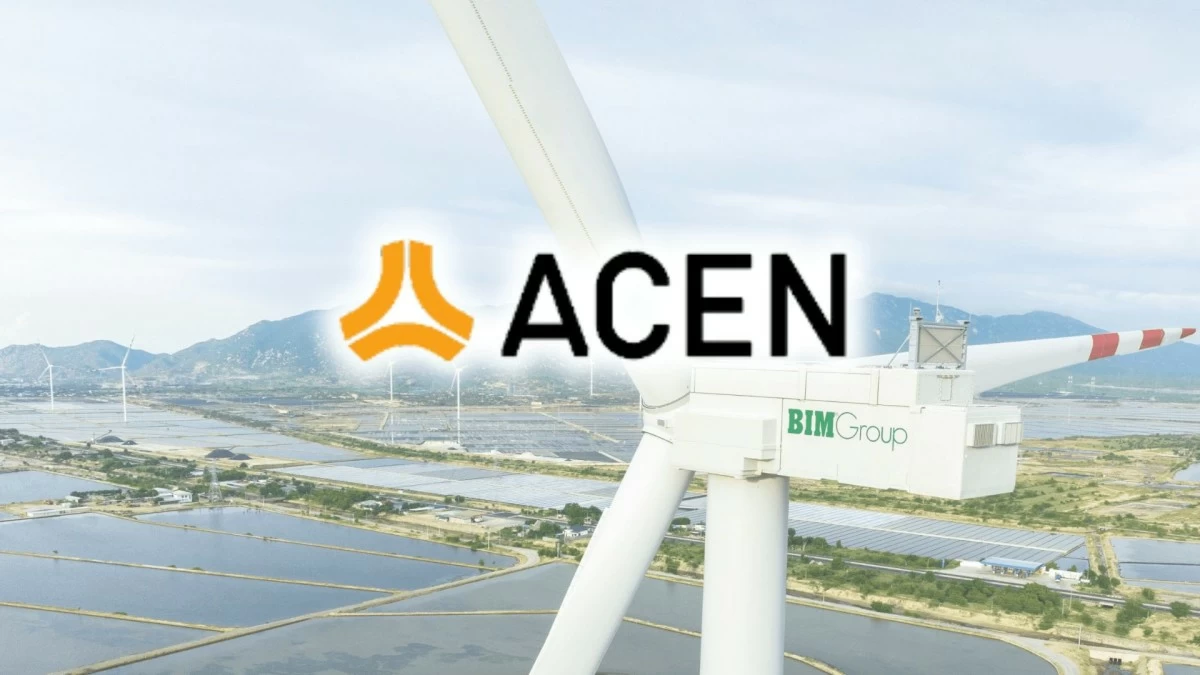
Ayala-led ACEN Corp. is preparing for an increase in capital expenditure (capex) in 2026 as the company focuses on expanding its renewable energy portfolio.
Jonathan Back, ACEN chief financial and strategy officer, said the company is projecting a substantially higher capex budget for next year, set to surpass the ₱50 billion spent this year.
“In 2026, we forecast that number to go up quite a bit,” Back said during the PSE STAR investor day. “Our best estimates at the moment is that next year will be north of ₱70 billion, and could even be over ₱80 billion, depending on the timing of projects.”
He added that while the figures appear large, most of the spending is funded through project financing, reflecting the company’s focus on very large projects.
The planned increase in spending is tied to several domestic and international investments expected to come online soon. This expansion will boost both ACEN’s portfolio and the Philippines’ national goal of increasing the share of renewable energy (RE) in its power mix.
In its nine-month financial report, ACEN outlined several Indian projects scheduled for commissioning between 2026 and 2027, including the 153-megawatt (MW) Maharashtra Hybrid, the 420-MW Tejorupa Solar, the 399-MW Sheo 2 Hybrid, and the 120-MW Bijapur Wind projects.
To enhance its Australian capacity, the firm is working to complete the 200-MW New England Battery Energy Storage System (BESS) within the next two years. Domestically, ACEN is also developing the 69.4-megawatt peak (MWp) Sual Solar Project in Pangasinan.
The company is tempering its long-term RE capacity goal. Back clarified that while the 20-gigawatt (GW) target remains aspirational, the evolving energy landscape suggests a more conservative outlook.
“I think it’s more likely that we’ll be somewhere in the mid-teens GW by the time we get to the end of 2030 rather than at that 20 GW aspirational number,” he explained, noting that the target could still change over the next five years.
Back reaffirmed that the objective is still a key part of the company’s plans. “Given the amount of renewable capacity that needs to be built in all the various markets that we operate in, by global standards, it’s not as big a number as you might think,” he concluded.