






Manila Bulletin
 Philippines
National
Teachers' groups urge GSIS to provide direct aid, zero-interest loans for calamity-hit members
Philippines
National
Teachers' groups urge GSIS to provide direct aid, zero-interest loans for calamity-hit members
Philippines
National
Teachers' groups urge GSIS to provide direct aid, zero-interest loans for calamity-hit members
Teachers' groups urge GSIS to provide direct aid, zero-interest loans for calamity-hit members
Genuine relief and accountability amid widespread devastation from Typhoons Tino and Uwan pushed
Published Nov 12, 2025 03:16 pm


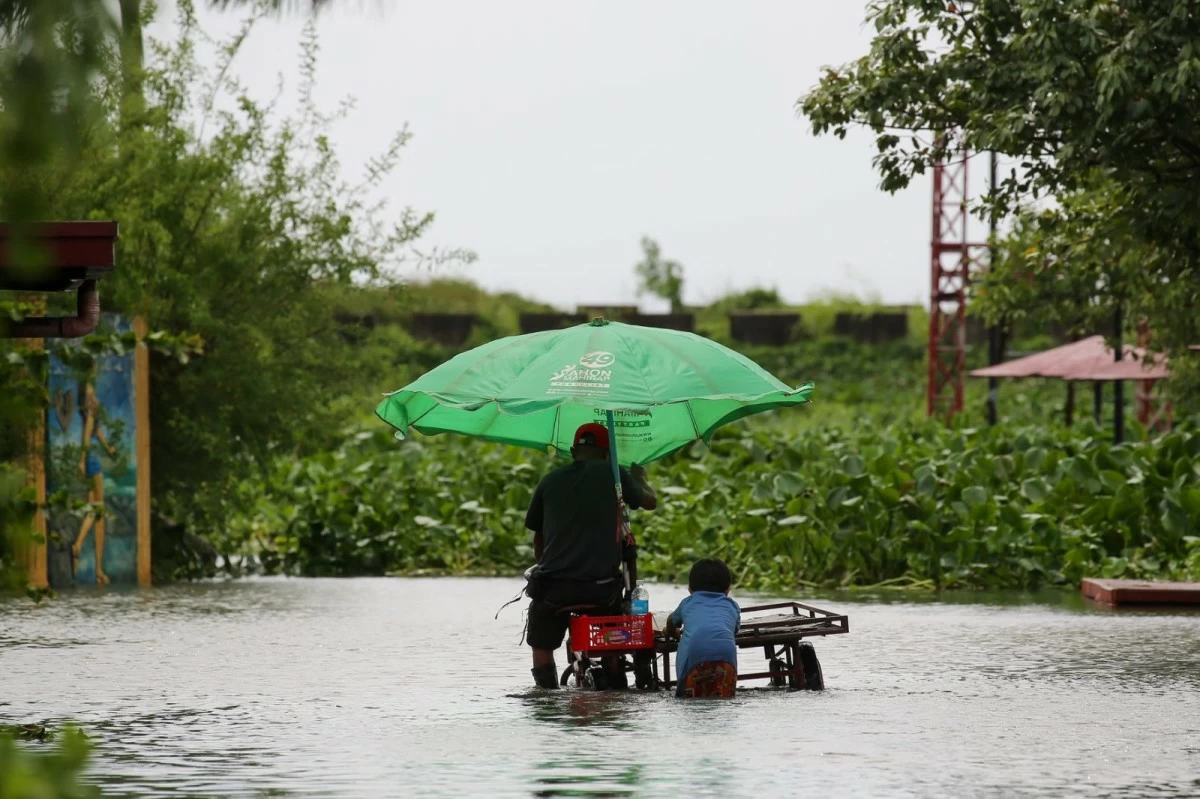
Following the devastation caused by Typhoons Tino and Uwan, teachers’ groups are calling on the GSIS to provide direct cash aid and zero-interest loans to members affected by the calamities. (John Louie Abrina / Manila Bulletin)
Two of the country’s major teachers’ organizations have called on the Government Service Insurance System (GSIS) to provide stronger, more compassionate, and more direct financial assistance to government workers and educators severely affected by recent disasters, particularly Typhoons Tino and Uwan.
The Teachers’ Dignity Coalition (TDC) and the Alliance of Concerned Teachers (ACT), in separate statements, both pressed the GSIS to go beyond temporary relief measures. They urged the agency to extend direct cash aid and zero-interest loans to affected members, rather than merely imposing another round of moratoriums on existing debts.
TDC calls for compassionate financial relief
In a statement issued on Wednesday, November 12, TDC said it had sent a letter addressed to GSIS President and General Manager Wick Veloso, urging the agency to adopt more meaningful support mechanisms for government employees reeling from back-to-back calamities.
While the GSIS recently announced a three-month moratorium on calamity loan payments, TDC Chairperson Benjo Basas said this measure is not enough to address the urgent needs of teachers whose homes, properties, and livelihoods were destroyed.
“These measures are urgently needed as families struggle to rebuild their homes, attend to medical emergencies, secure food and essentials, replace lost belongings, and, in the most difficult cases, provide a decent burial for their loved ones,” Basas said. “In times like these, what our government workers need is genuine relief, not additional financial burden,” he added.
The TDC proposed that the GSIS grant direct cash assistance to the most affected members or, at the very least, offer zero-interest calamity loans that are accessible regardless of an employee’s take-home pay.
The group also requested a penalty-free payment moratorium for members struggling to recover.
Citing Proclamation No. 1077, which placed the entire country under a year-long State of Calamity starting November 5, TDC said such measures are well within the government’s capacity to extend immediate and compassionate support.
“If small cooperatives in our communities or parishes can provide direct assistance to their members, it is only fair for the GSIS, which is far more capable, to extend stronger solidarity and tangible support to its own,” Basas said.
ACT pushes for P20,000 cash aid and accountability
In a separate statement issued on November 11, ACT criticized the GSIS’s current loan moratorium policy, saying it merely delays payments while allowing interest and arrears to compound over time.
"Teachers and education workers do not need yet another moratorium that merely defers our burden,” said ACT Chairperson Ruby Bernardo. “After every disaster, our people are left to fend for themselves while their debts quietly grow,” she added.
Bernardo stressed that what teachers need is “immediate financial aid and real support from the very institutions meant to ensure social security and safeguard their welfare.”
ACT proposed several urgent measures, including a P20,000 Emergency Social Security Cash Aid for all GSIS members and pensioners in calamity-hit areas without requiring new loans; zero compounding interest and no penalties for loan moratoriums during calamities; lower interest rates on GSIS loans; and a waiver of surcharges in disaster-declared areas.
The group is also calling for a reorientation of GSIS investments away from speculative or gambling-related ventures toward safe, member-focused programs, and a full public audit of the agency’s investment portfolio by the Commission on Audit (COA).
ACT further demanded broader government accountability and compensation for calamity victims, linking the worsening floods and destruction to corruption in infrastructure projects and environmental degradation driven by profit-oriented corporations.
"Our kababayans are left to drown—literally and economically—because those in power have prioritized profit over people,” Bernardo said. “It is time to demand compensation, and exact accountability and justice,” she added.
Teachers’ welfare at the center of recovery
Both organizations underscored that teachers and public servants—already burdened by low salaries and rising living costs—are among the most vulnerable in times of crisis.
They urged the GSIS and the national government to place the welfare of public workers at the core of post-calamity recovery efforts.
Basas said the TDC awaits a “favorable and urgent response” from the GSIS, noting that the agency’s actions will reflect its commitment to its members’ well-being.