







DPWH to implement Cebu flood control masterplan from 2017
By Trixee Rosel
Published Nov 12, 2025 01:04 pm


At A Glance
- DPWH to execute the long-shelved 2017 Cebu flood control masterplan.
- Project aims to strengthen flood control, water management, and upstream water impounding.
- Typhoon Tino left 188 dead, including 135 in Cebu.
- Stricter no-build zone enforcement planned, set as a potential nationwide model.
- Investigations into ghost and incomplete flood control projects ongoing.
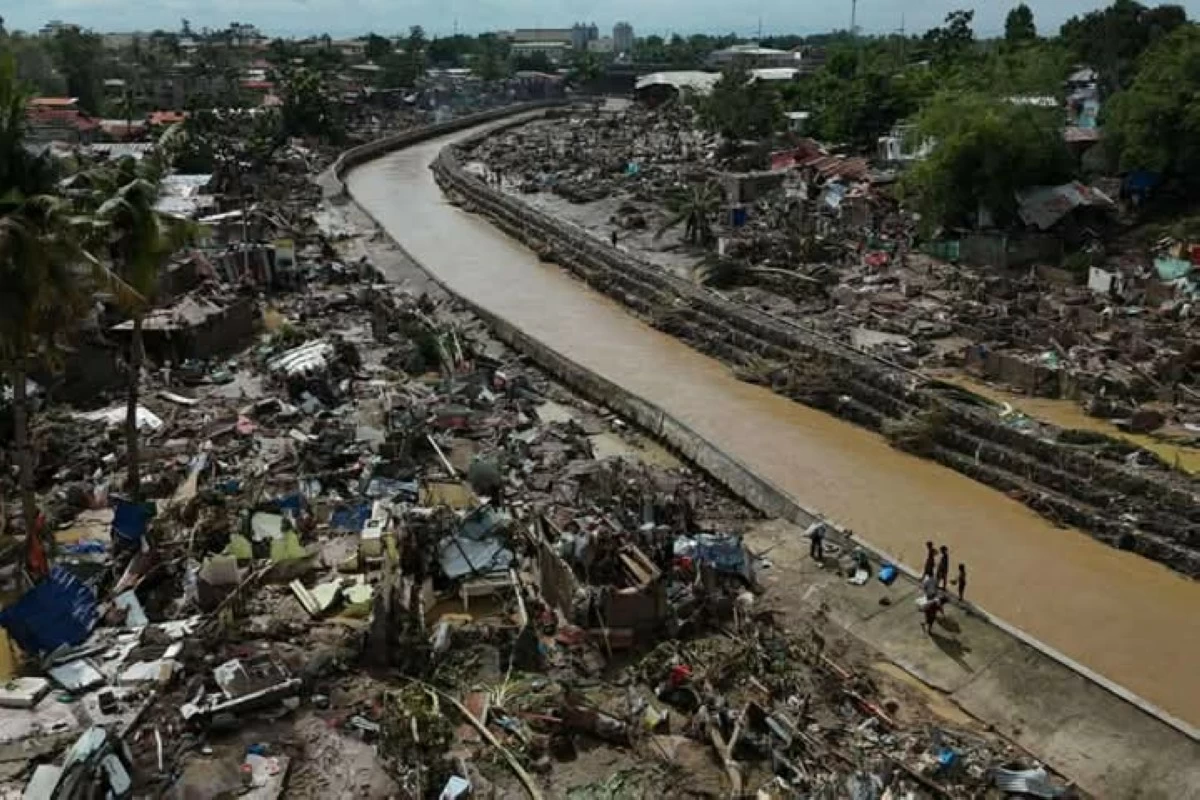
Residents return to what remains of their homes along the Mananga River in Talisay City, Cebu province on November 5, 2025, after Typhoon Kalmaegi (locally Tino) caused widespread devastation. (AP Photo/Jacqueline Hernandez)
The Department of Public Works and Highways (DPWH) will begin implementing the long-shelved 2017 Cebu flood control masterplan following the devastation caused by Typhoon “Tino”.
Developed by the Japan International Cooperation Agency (JICA) from 2013 to 2017 during former Secretary Rogelio Singson’s term, the project aims to strengthen flood control and water resource management across the province.
It also includes upstream water impounding measures to protect communities and improve food security, DPWH Secretary Vince Dizon said.
“We will start already now. But this time we will execute it the right way,” Dizon said during a meeting with Singson and National Irrigation Administration Administrator Eddie Guillen.
“No more planning or studies are needed because everything has already been laid out,” he added, emphasizing that the focus is now on proper implementation.
Typhoon “Tino” left at least 188 dead, including 135 from Cebu, highlighting the urgent need for comprehensive flood control measures, the DPWH chief said.
Singson emphasized that the masterplan covers more than just flood control, integrating watershed protection, surface water impounding for potable water, irrigation, hydro energy, and even tourism.
“And this has been proven by Administrator Guillen that it can be done,” Singson said.
Guillen highlighted that upstream water impounding projects, such as the recently completed Mahayag Dam in Mindanao built in just 10 months, benefit farmers and contribute to the country’s food security.
Dizon also announced stricter enforcement of no-build zones after observing that many houses destroyed in Talisay were built directly on rivers rather than on riverbanks.
He noted that this policy could serve as a nationwide model for flood control.
Investigations into alleged ghost and incomplete flood control projects in Cebu are ongoing, the DPWH chief said.
The agency aims to ensure that funds—historically consuming at least one-third of the department’s budget—are efficiently used.