







Understanding your laboratory tests
What do they mean, and are they necessary?
Published Nov 11, 2025 01:53 am
|
Updated Nov 11, 2025 01:50 pm


At A Glance
- Doctors go over these tests and use them to detect any potential problems that need further workup.
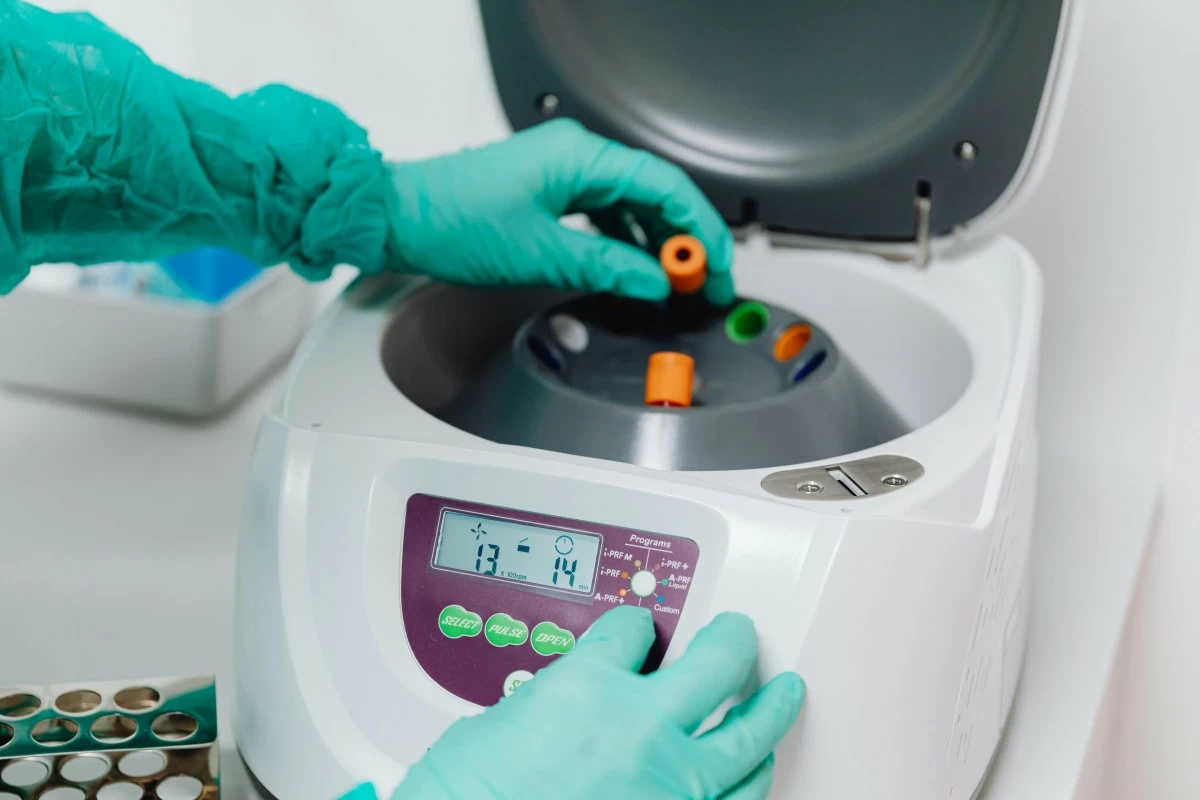
For many Filipinos, a doctor’s visit isn’t complete without two components: a laboratory request and some sort of medicine. While some patients do need both, there are many instances when neither testing nor treatment is needed. For those coming in for their annual check-up, or what some refer to as a wellness visit, the laboratory test becomes an object of intense focus, and in some cases, anxiety. What do these tests really mean, and should you be getting them at all?
Children need to be seen by pediatricians regularly to ensure that they are growing and gaining weight at a normal rate. They also get their scheduled vaccinations regularly. After they “graduate” from their pediatrician, however, the regular checkups fall off except for required college or employment examinations. Most workplaces ask for a chest X-ray every one to two years because there is so much tuberculosis in the Philippines. Pre-employment tests can be quite extensive, including hepatitis B screening, a complete blood count, liver and kidney tests, and urinalysis. Assuming a person is asymptomatic, has no risk factors, and lives a healthy lifestyle, routine laboratory tests aren’t necessary until around 35 years of age. At that point, fasting glucose and lipid panel tests are recommended. Doctors go over these tests and use them to detect any potential problems that need further workup. In my experience, patients will stare at the printouts with fascination and will even share them with relatives, especially if they are doctors like me. To help people understand, I will try to explain what these tests are, what they might mean, and why we do them.
Complete blood count (CBC)
This is a microscopic or automated test looking at the different components of blood. Our blood is made up of solid and liquid parts. The solid components are the cells, while the liquid component, along with its dissolved proteins, is referred to as serum. The CBC is one of the most common tests done because it can quickly give doctors a bird’s eye view of a patient in terms of whether they have an infection, what infection they might have, whether they are anemic, and whether they might have some sort of cancer or chronic illness.
There are three main cell lineages in the blood: white blood cells (WBCs), red blood cells (RBCs), and platelets (plt). RBCs are by far the most abundant cells in the blood and contain hemoglobin, which is the main molecule that carries oxygen throughout the body. The CBC counts the RBCs and also quantifies the hemoglobin in each red blood cell. It also reports the hematocrit, which is the percentage of RBCs that make up the total blood volume. Too little and you are anemic, too much and you might have something pushing overproduction of RBCs. The CBC also has descriptions of whether the RBCs are normal or not, and these are found in the MCV (mean corpuscular volume), MCH (mean corpuscular hemoglobin), and RDW (red cell distribution width, or how uniform the red blood cells are in size). All these, in the hands of an astute clinician, can give clues as to what may be ailing a patient.
WBC is a count of all the white blood cells, or leukocytes, found in the blood. The normal range is from four to 11 x 109 cells/L (we usually just say four to 11), with some slight variations among laboratories. Lower than four might mean a viral infection or something affecting the production of white cells, like cancer or chemotherapy. Higher than 11 can mean a bacterial infection or a high level of inflammation, like that seen in some rheumatologic diseases. Sometimes, a normal WBC count in the face of a known bacterial infection can signal a problem with the immune system. The white blood cells are classified into different components as well: neutrophils, lymphocytes, monocytes, eosinophils, and basophils. These cells each have their own functions. Neutrophils typically dominate during bacterial infections, lymphocytes during viral infections. Eosinophils can be high when there are allergies or parasitic infections. There are also other types of WBCs that, if seen, can flag specific diseases. For instance, if you see blasts, that can mean the patient has some sort of leukemia or blood cancer.
Plt count is a measure of the platelets in the blood, which are essential in the clotting process. Technically, platelets are not cells, but are instead pieces of a cell known as a megakaryocyte, which is found in the bone marrow. High platelets can be seen in infections and in some hematologic cancers. Low platelets are most commonly from dengue fever in the Philippines, but can also be due to cancer, liver cirrhosis, sepsis, and other disease entities. In dengue, we usually measure platelets regularly since these can predict the risk of bleeding.
Metabolic panels
In the US, doctors order “basic metabolic panels” (BMPs) and “comprehensive metabolic panels” (CMPs), which are a combination of different electrolyte and metabolite tests that can help diagnose problems of different organs in the body. In the Philippines, these tests are usually individualized to save money. One of the most common tests is creatinine (crea), which measures kidney function and allows one to calculate an estimated glomerular filtration rate. An elevated crea can mean either acute or chronic kidney failure, and the doctor can do further tests to figure this out. The metabolic panel also contains the liver transaminases, alanine aminotransferase (ALT), and aspartate aminotransferase (AST). When elevated, these suggest that there is ongoing liver injury, which can be from infection, sepsis, toxic substances, or other processes. Electrolytes such as sodium, potassium, magnesium, and calcium are also used for different reasons, including those with cardiac, renal, and hepatic issues. A random blood sugar (RBS) gives a snapshot of the glucose level in the blood. A high level (more than 200) can mean diabetes, while a low level can suggest nutritional issues or too much hypoglycemic medicine. If it is elevated, follow-on tests like a fasting blood sugar and a hemoglobin A1c can better characterize whether a patient is diabetic or prediabetic.
Lipid panel
This is usually a fasting study, i.e., you shouldn’t eat or drink for about eight hours. The lipid panel has four main components: triglycerides (TGs), total cholesterol (TC), low-density lipoprotein (LDL), and high-density lipoprotein (HDL). TG refers to the amount of fat in the blood, which can increase your risk of heart disease. Total cholesterol above 200 mg/dL is linked to increased risk of coronary artery disease. LDL (and VLDL or very low-density lipoprotein) or “bad cholesterol” is a component of total cholesterol, which plays a role in the development of blockages in the arteries. HDL or “good cholesterol” paradoxically lowers heart disease. HDL can be raised with a diet containing unsaturated fats, exercise, and maintaining a healthy weight.
There are many more tests that doctors can do, but these three are among the most common. No single laboratory test can represent the complex pathology of disease that we see in humans day in and day out. Instead, these tests are guideposts for doctors who use them as clues to figure out how best to treat a patient. If some tests are discordant, they can be repeated, but we always keep in mind that we treat people and not laboratory tests. And so, no, I’m sorry I can’t comment on your laboratory tests without knowing you as a patient. These pieces of paper are meaningless in isolation, and you should talk to your personal doctor to figure out what they mean and how best to stay healthy.