

ADVERTISEMENT

Toyota unveils new Hilux

In diesel, BEV, and possibly fuel cell electric

Published Nov 11, 2025 03:53 pm

At A Glance

  • The new Toyota Hilux was just unveiled yesterday in Bangkok, Thailand, sporting a new look and a combination of conventional and new propulsion options.
Toyota is bringing electrification to even more models, even to its top-selling pickup, the Hilux. The new model was just unveiled yesterday in Bangkok, Thailand, sporting a new look and a combination of conventional and new propulsion options.
New design
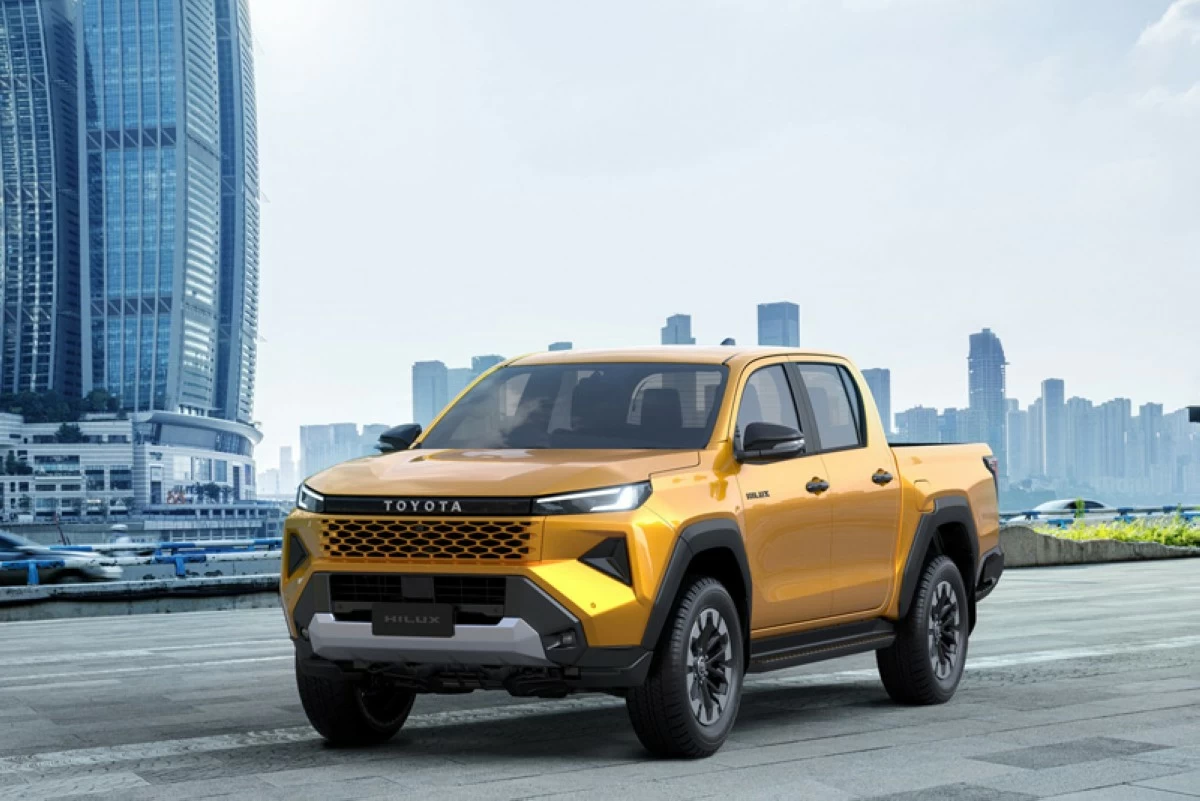
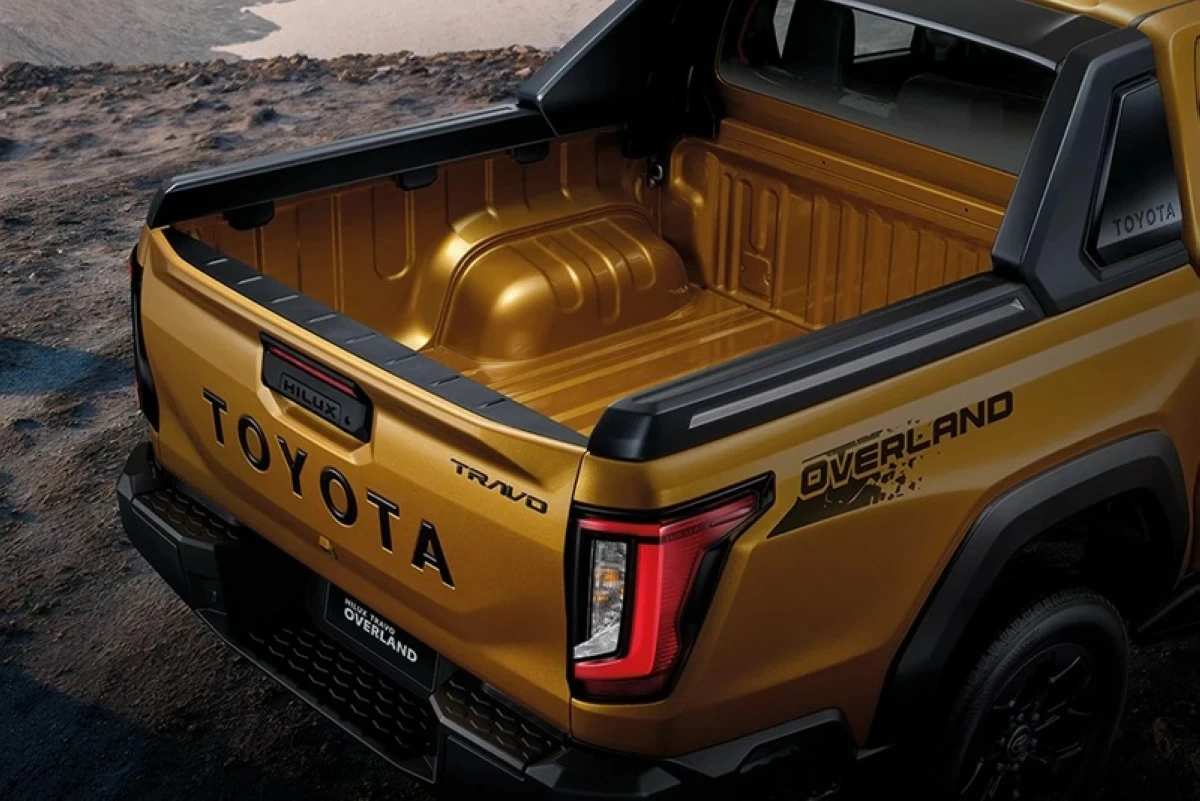
The new Hilux bears a new design language called “Cyber Sumo.” Slit-style LED headlights are joined by a horizontal bar. Just below it is the new grille with hexagons seemingly cut out of sheet metal. Aggressive intake vents flank the large grille while a skid plate with integrated fog lamps creeps up from under. Behind, the rear looks just as futuristic with angular LED tail lamps, sculpted tailgate, and a bumper with integrated side steps.
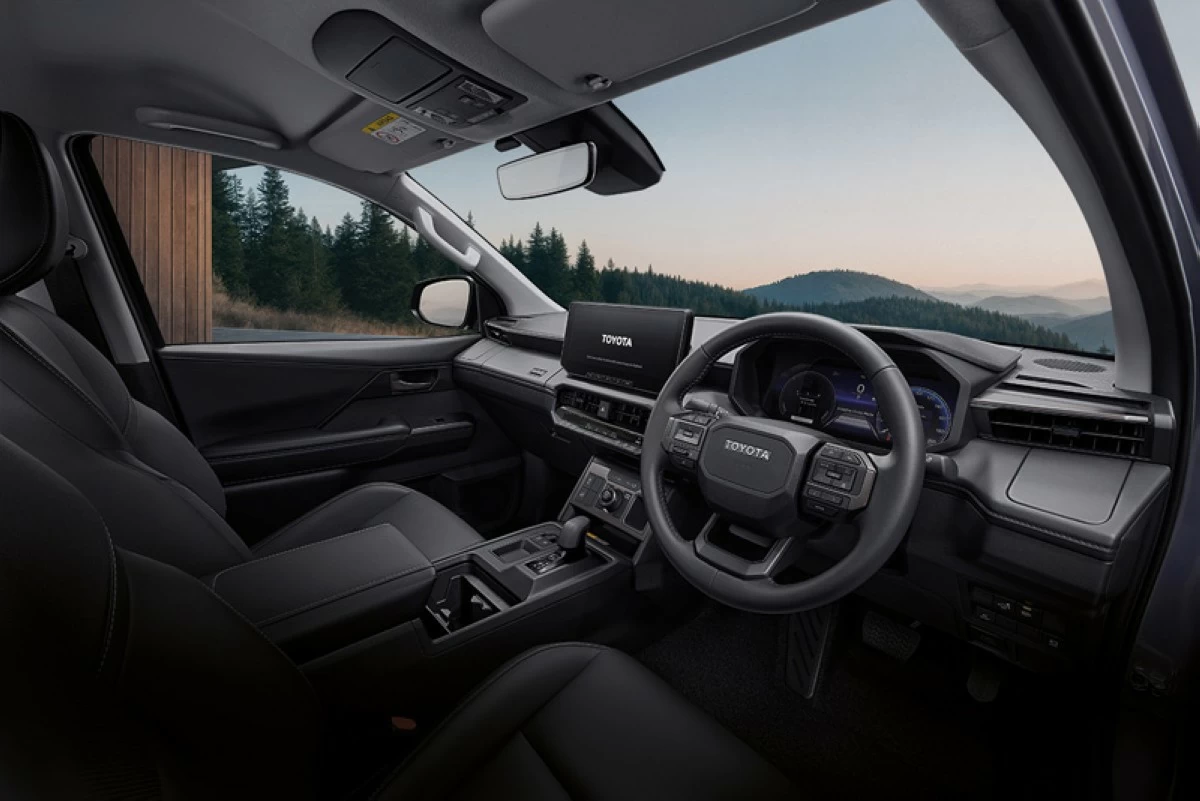
Inside, the Hilux still sports a rugged-looking but thankfully updated interior. Hexagonal shapes abound in the steering wheel, instrument cluster, and center console. The driver gets a 12.3-inch digital gauge cluster. Over in the center is a 12.3-inch touchscreen infotainment display on the center dashboard.
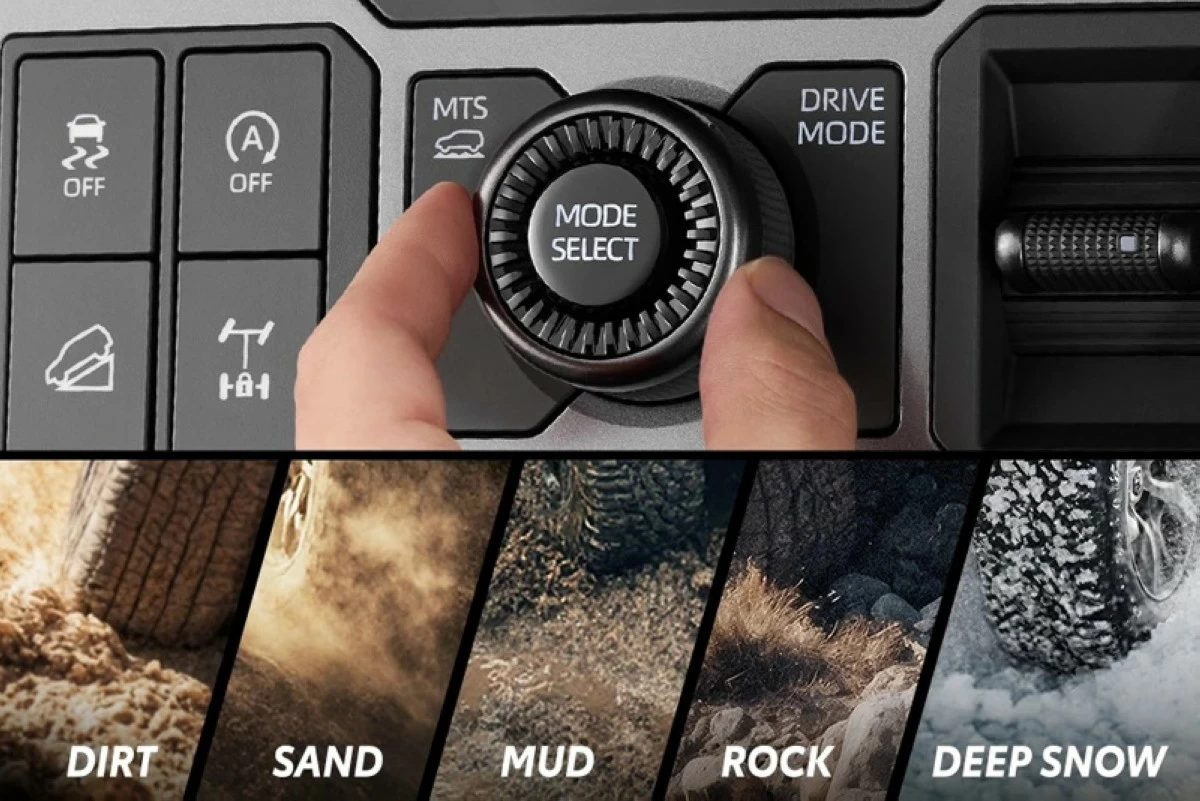
Lower on the center console is the gear selector and drive mode dial. This puts the transmission and related controls closer together for more intuitive use.
New powertrains
Perhaps the biggest news about the Hilux is the new choices of powertrains Of course, it will be available with a diesel engine. The 2.8-liter diesel offered on the top-of-the-line models of the predecessor will now be available across the range. It can be paired with a choice of six-speed manual or automatic and in 4x4 or 4x2. Besides the transmission, there are also drive modes and Multi-Terrain Select modes. The drive modes are the typical Eco, Normal, and Sport to control power delivery and consumption. Multi-Terrain Select loads pre-programmed terrain modes like Dirt, Sand, Mud, Rock, and Deep Snow.
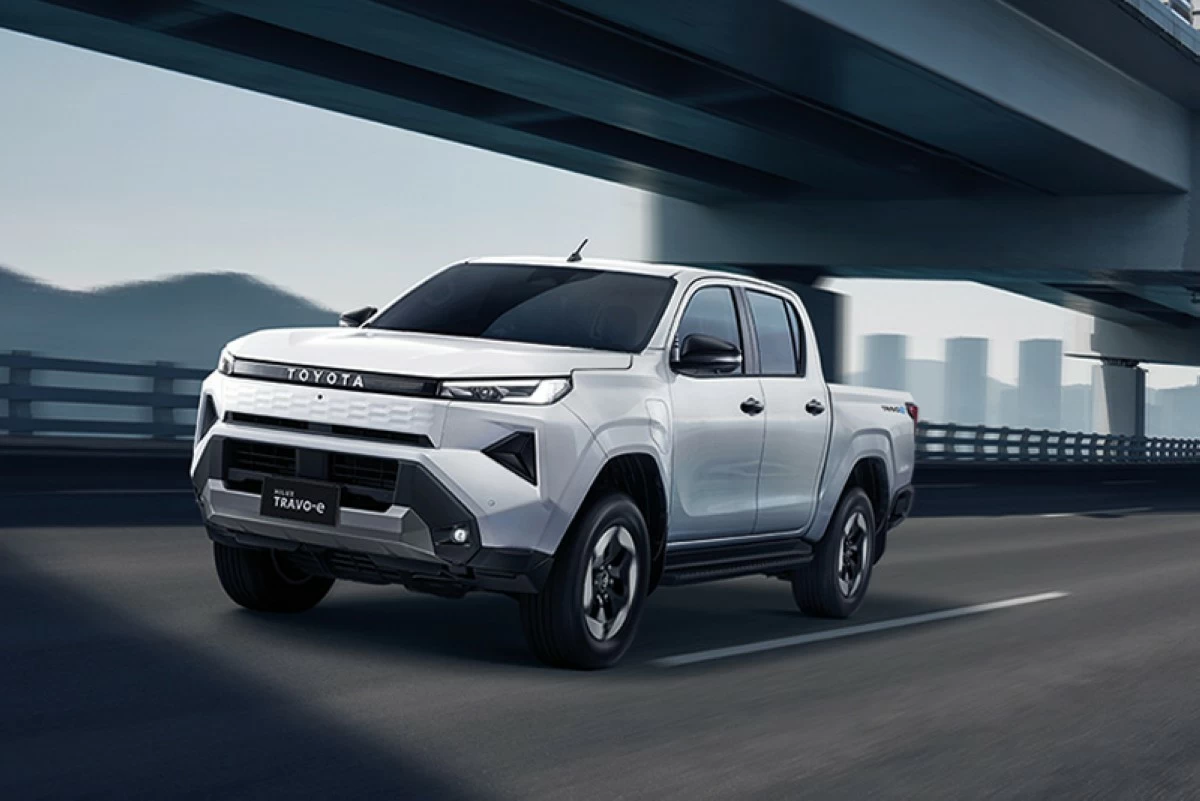
Toyota Hilux BEV
Toyota Hilux BEV
In addition, the Hilux will also have a fully electric version. It is called the Travo-e in Thailand, but may be called something else if offered in the Philippines. The electric Hilux comes with dual electric motors that Toyota calls eAxles. They can deliver a combined system output of 196-PS, drawing power from a 59.2-kWh lithium-ion battery pack. It can be recharged with both AC and DC fast charging. The Hilux EV can drive over 300-km from one full charge.
Finally, the Hilux will also be offered with a fuel cell electric (FCEV) powertrain in select markets. The Hilux FCEV uses hydrogen as fuel to generate electricity with the only emissions being water vapor. In essence, it operates like a fully-electric vehicle, but does not need to be plugged in. However, because hydrogen as a fuel is difficult to source, it will only be offered in select markets that have the infrastructure for it.
These three choices of powertrains are part of Toyota’s ‘multi-pathway approach’ to achieve a carbon-neutral society, offering multiple options to allow markets to select the powertrain that best suits their needs.
Safety
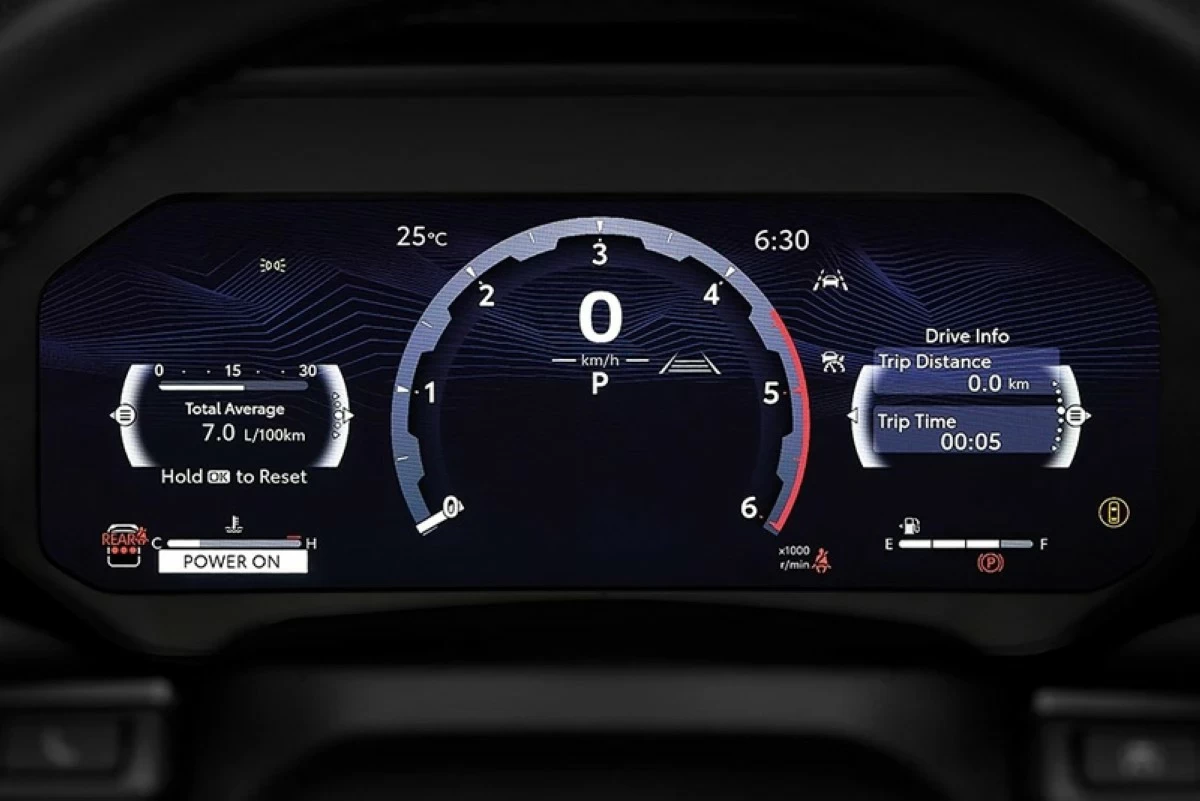
Also receiving updates are its safety systems. The Hilux gets the Toyota Safety Sense suite which includes driver assistance systems (ADAS) like blind-spot monitoring, a panoramic around-view monitor (AVM), parking support brake, rear-cross traffic alert, pre-collision system, lane departure alert, auto high beams, hill-start assist, downhill assist control, front and rear parking sensors, and trailer sway control.
Toyota said the Hilux also received additional floor welding points to strengthen the cabin's rigidity, improve stability, and deliver a more pliant ride. It also gets new dampers that improve its ride. New hydraulic engine mounts reduce vibration inside the cabin. Finally, the redesigned seats are made with Softex leather material.
Coming soon
While the new Hilux may have debuted in Thailand, Toyota Motor Philippines has yet to confirm when the new Hilux will arrive in the Philippines. It’s certainly just a matter of months, but that can be anywhere between two months to as long as 10 months from now.

Related Tags

TOYOTA
ADVERTISEMENT
.most-popular .layout-ratio{ padding-bottom: 79.13%; } @media (min-width: 768px) and (max-width: 1024px) { .widget-title { font-size: 15px !important; } }

{{ articles_filter_1561_widget.title }}

.most-popular .layout-ratio{ padding-bottom: 79.13%; } @media (min-width: 768px) and (max-width: 1024px) { .widget-title { font-size: 15px !important; } }

{{ articles_filter_1562_widget.title }}

.most-popular .layout-ratio{ padding-bottom: 79.13%; } @media (min-width: 768px) and (max-width: 1024px) { .widget-title { font-size: 15px !important; } }

{{ articles_filter_1563_widget.title }}

{{ articles_filter_1564_widget.title }}

.mb-article-details { position: relative; } .mb-article-details .article-body-preview, .mb-article-details .article-body-summary{ font-size: 17px; line-height: 30px; font-family: "Libre Caslon Text", serif; color: #000; } .mb-article-details .article-body-preview iframe , .mb-article-details .article-body-summary iframe{ width: 100%; margin: auto; } .read-more-background { background: linear-gradient(180deg, color(display-p3 1.000 1.000 1.000 / 0) 13.75%, color(display-p3 1.000 1.000 1.000 / 0.8) 30.79%, color(display-p3 1.000 1.000 1.000) 72.5%); position: absolute; height: 200px; width: 100%; bottom: 0; display: flex; justify-content: center; align-items: center; padding: 0; } .read-more-background a{ color: #000; } .read-more-btn { padding: 17px 45px; font-family: Inter; font-weight: 700; font-size: 18px; line-height: 16px; text-align: center; vertical-align: middle; border: 1px solid black; background-color: white; } .hidden { display: none; }
function initializeAllSwipers() { // Get all hidden inputs with cms_article_id document.querySelectorAll('[id^="cms_article_id_"]').forEach(function (input) { const cmsArticleId = input.value; const articleSelector = '#article-' + cmsArticleId + ' .body_images'; const swiperElement = document.querySelector(articleSelector); if (swiperElement && !swiperElement.classList.contains('swiper-initialized')) { new Swiper(articleSelector, { loop: true, pagination: false, navigation: { nextEl: '#article-' + cmsArticleId + ' .swiper-button-next', prevEl: '#article-' + cmsArticleId + ' .swiper-button-prev', }, }); } }); } setTimeout(initializeAllSwipers, 3000); const intersectionObserver = new IntersectionObserver( (entries) => { entries.forEach((entry) => { if (entry.isIntersecting) { const newUrl = entry.target.getAttribute("data-url"); if (newUrl) { history.pushState(null, null, newUrl); let article = entry.target; // Extract metadata const author = article.querySelector('.author-section').textContent.replace('By', '').trim(); const section = article.querySelector('.section-info ').textContent.replace(' ', ' '); const title = article.querySelector('.article-title h1').textContent; // Parse URL for Chartbeat path format const parsedUrl = new URL(newUrl, window.location.origin); const cleanUrl = parsedUrl.host + parsedUrl.pathname; // Update Chartbeat configuration if (typeof window._sf_async_config !== 'undefined') { window._sf_async_config.path = cleanUrl; window._sf_async_config.sections = section; window._sf_async_config.authors = author; } // Track virtual page view with Chartbeat if (typeof pSUPERFLY !== 'undefined' && typeof pSUPERFLY.virtualPage === 'function') { try { pSUPERFLY.virtualPage({ path: cleanUrl, title: title, sections: section, authors: author }); } catch (error) { console.error('ping error', error); } } // Optional: Update document title if (title && title !== document.title) { document.title = title; } } } }); }, { threshold: 0.1 } ); function showArticleBody(button) { const article = button.closest("article"); const summary = article.querySelector(".article-body-summary"); const body = article.querySelector(".article-body-preview"); const readMoreSection = article.querySelector(".read-more-background"); // Hide summary and read-more section summary.style.display = "none"; readMoreSection.style.display = "none"; // Show the full article body body.classList.remove("hidden"); } document.addEventListener("DOMContentLoaded", () => { let loadCount = 0; // Track how many times articles are loaded const offset = [1, 2, 3, 4, 5, 6, 7, 8, 9, 10]; // Offset values const currentUrl = window.location.pathname.substring(1); let isLoading = false; // Prevent multiple calls if (!currentUrl) { console.log("Current URL is invalid."); return; } const sentinel = document.getElementById("load-more-sentinel"); if (!sentinel) { console.log("Sentinel element not found."); return; } function isSentinelVisible() { const rect = sentinel.getBoundingClientRect(); return ( rect.top < window.innerHeight && rect.bottom >= 0 ); } function onScroll() { if (isLoading) return; if (isSentinelVisible()) { if (loadCount >= offset.length) { console.log("Maximum load attempts reached."); window.removeEventListener("scroll", onScroll); return; } isLoading = true; const currentOffset = offset[loadCount]; window.loadMoreItems().then(() => { let article = document.querySelector('#widget_1690 > div:nth-last-of-type(2) article'); intersectionObserver.observe(article) loadCount++; }).catch(error => { console.error("Error loading more items:", error); }).finally(() => { isLoading = false; }); } } window.addEventListener("scroll", onScroll); });

Sign up by email to receive news.