






Manila Bulletin
 Embassies at Work
Shared stories of Hungary and the Philippines: A celebration of cultural heritage
Embassies at Work
Shared stories of Hungary and the Philippines: A celebration of cultural heritage
Embassies at Work
Shared stories of Hungary and the Philippines: A celebration of cultural heritage
Shared stories of Hungary and the Philippines: A celebration of cultural heritage
Published Nov 10, 2025 01:53 pm


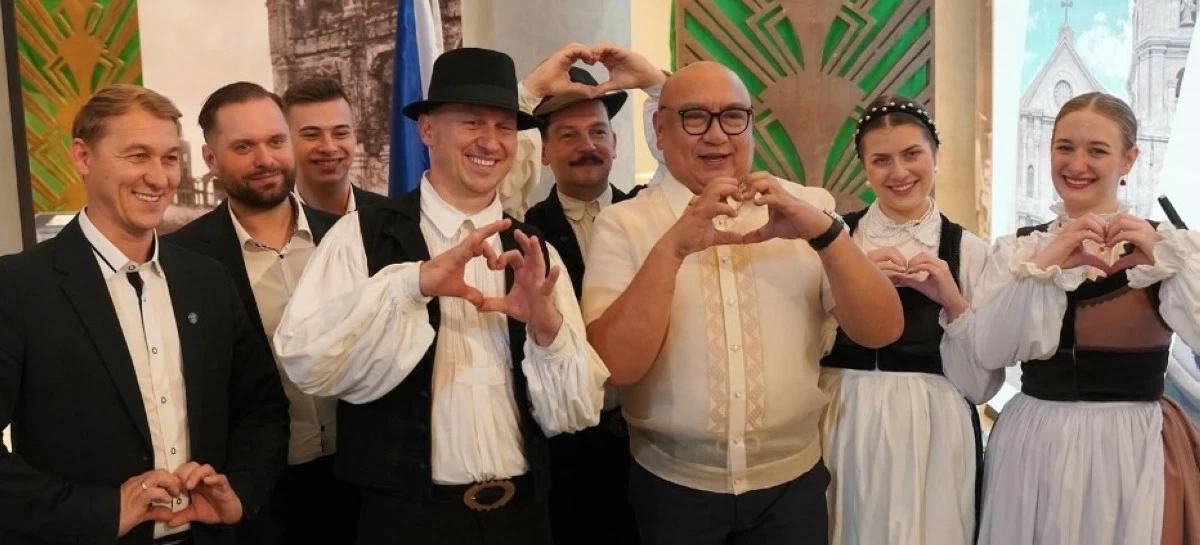
Department of Tourism Undersecretary for Special Projects Ferdinand C. Jumapao with the Hungarian folk dancers.
On Oct. 15, 2025, the beautifully restored Centro de Turismo Intramuros became the stage for “Shared Stories of Hungary and the Philippines: Cultural Heritage,” a vibrant celebration of tradition, artistry, and cross-cultural connection. Hosted in the heart of Manila’s historic district, the event highlighted the deep-rooted ties between the two nations, proving that cultural passion knows no borders.
This inaugural collaboration featured Hungary’s internationally acclaimed Flaska Band and the Philippines’ beloved La Manila Dance Ambassadors and Rondalla ensemble. The Flaska Band, comprising two violinists, a violist, and a flutist, is a Hungarian folk ensemble devoted to preserving and presenting the living traditions of their homeland’s music. Having represented Hungarian culture in more than 30 countries, their visit to the Philippines marked a significant milestone.
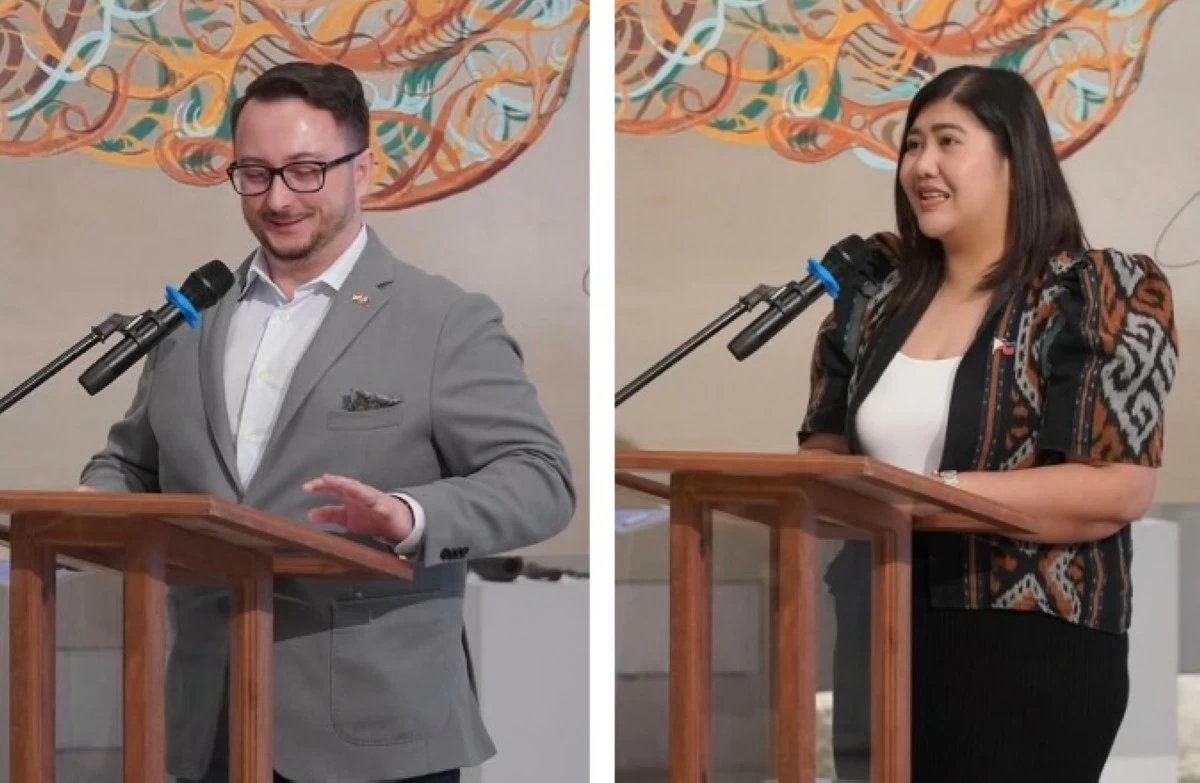
Delivering their messages: Arkadiusz Jan Tracz, spouse of the Hungarian ambassador to the Philippines, and Intramuros Administrator Atty. Joan Padilla
Their repertoire spans melodies from various regions, performed on traditional instruments, and this time featured the spirited csárdás dance—a “Hungarikum” recognized by UNESCO as part of Hungary’s intangible cultural heritage. Their performance radiated professional artistry infused with youthful energy, ancient strength, and vibrant freshness. True to their name, “Flaska” seeks to fill hearts like a flask prepared for a long journey.
Accompanying them were Hungarian folk dancers in traditional attire, showcasing the rich regional diversity of Hungary’s dance traditions. Their movements told stories of celebration, resilience, and identity, offering Filipino audiences a glimpse into Central European heritage.
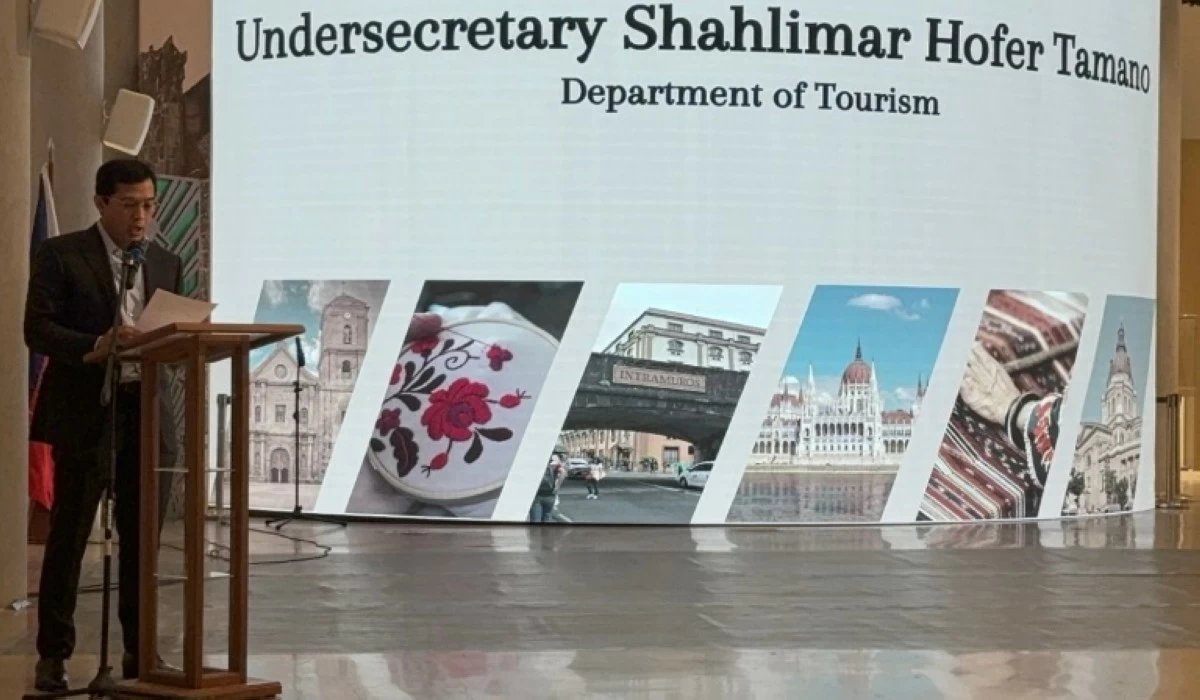
Undersecretary Shalimar Hofer Tamano of the Department of Tourism
Representing the Philippines, the La Manila Dance Ambassadors brought to life the archipelago’s cultural richness through dynamic folk dances, accompanied by the Rondalla—a traditional string ensemble that adds rhythm and melody to each performance. Among their repertoire was the Grand Singkil, a spectacular Maranao epic dance from Mindanao. Known for its intricate footwork with bamboo poles and the graceful portrayal of a princess character, the Singkil embodies royal pageantry, resilience, and the elegance of Filipino heritage.
The Embassy of Hungary in Manila described the showcase as “weaving together melodies and movement into a celebration of harmony between two cultures,” emphasizing music and dance as a universal language that fosters friendship and mutual understanding.
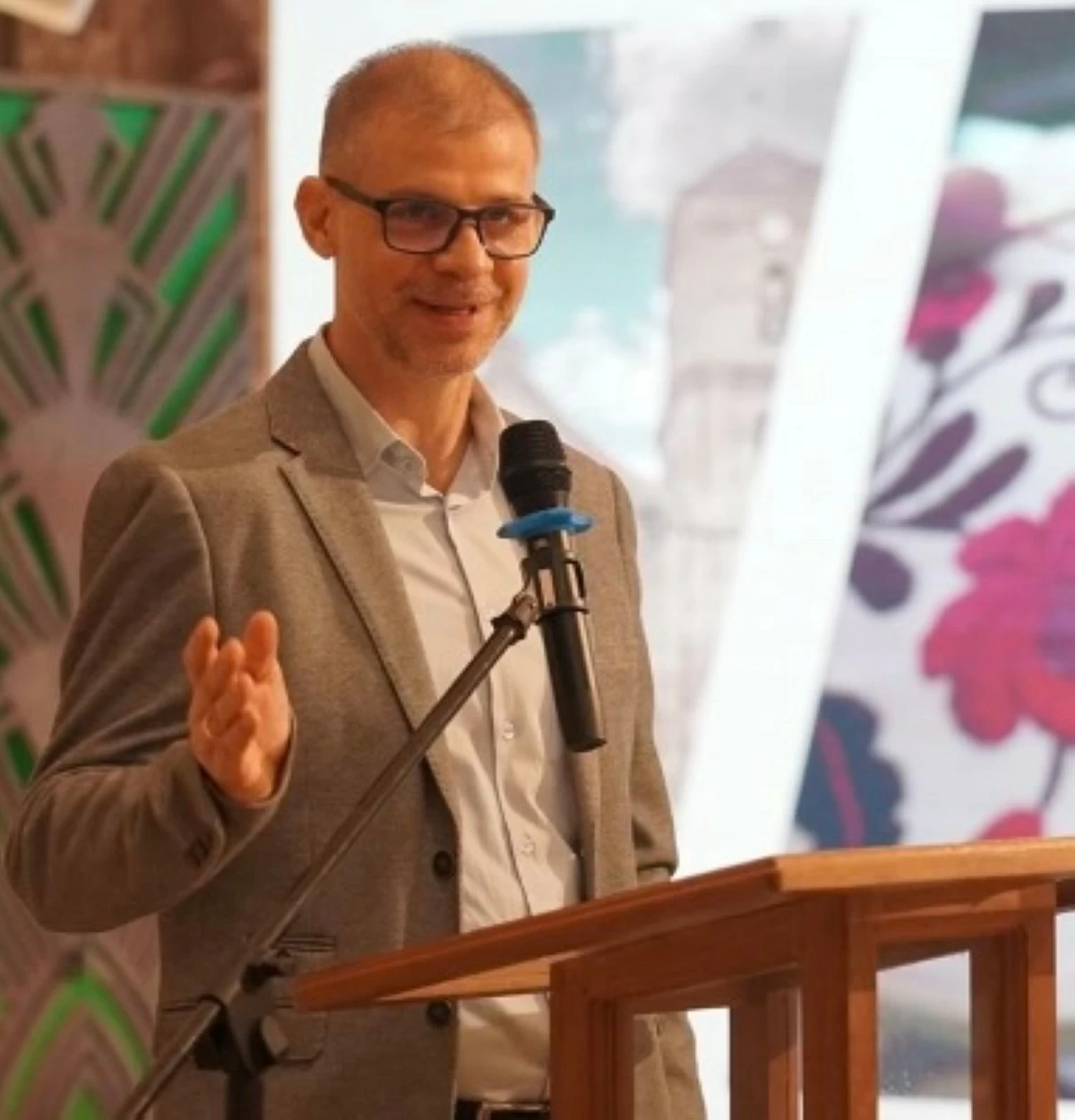
Consul Balazs Ratkai of the Embassy of Hungary hosted the program.
Arkadiusz Jan Tracz, spouse of the Hungarian ambassador to the Philippines, delivered a heartfelt speech underscoring shared values of cultural freedom and respect for tradition. “Despite 10,000 kilometers distance, true enthusiasm exists in our nation's heritage,” he remarked, celebrating the enduring cultural bond between Hungary and the Philippines.
Tracz also highlighted the academic bridge between the two countries, noting that approximately 35 Filipino students annually pursue master’s and doctoral degrees in cultural heritage studies in Hungary. He expressed hope that these scholars would return home equipped to preserve and enrich the Philippines’ own cultural legacy.
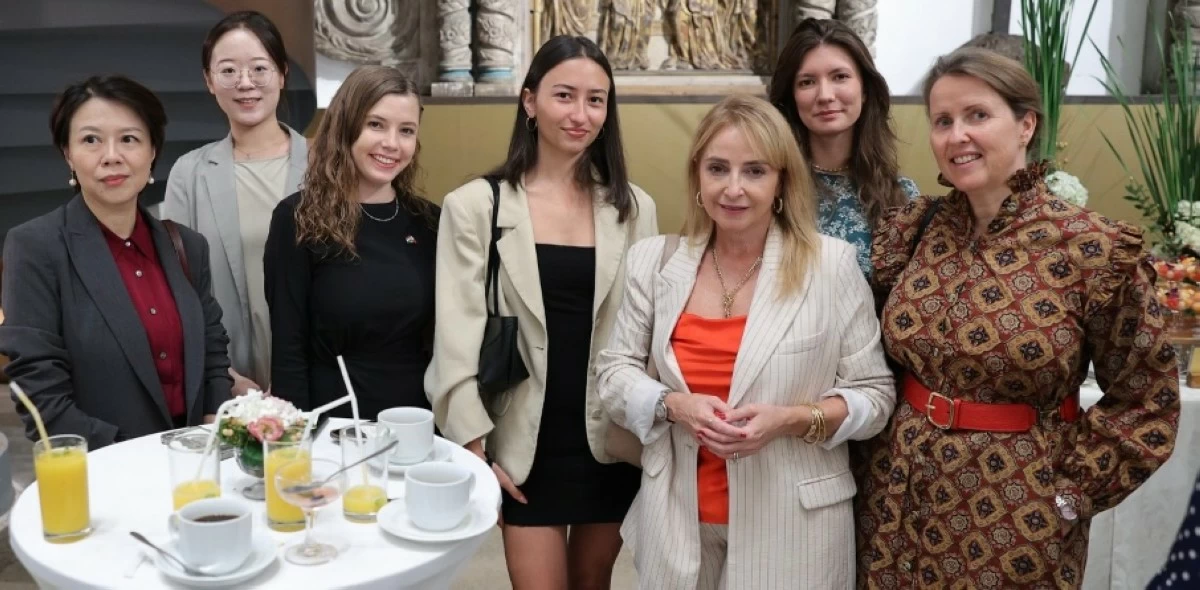
The Embassy of Hungary’s VIP guests: Meng Gaohan, attaché of the Embassy of China; Zheng Junlyu, counselor of the Embassy of China; Laura Paluska, intern of the Embassy of Hungary; Maria Elena Urriste, spouse of the ambassador of the Embassy of Argentina; and Cathrine Lykke Riseng Lyster, spouse of the ambassador of the Embassy of Norway.
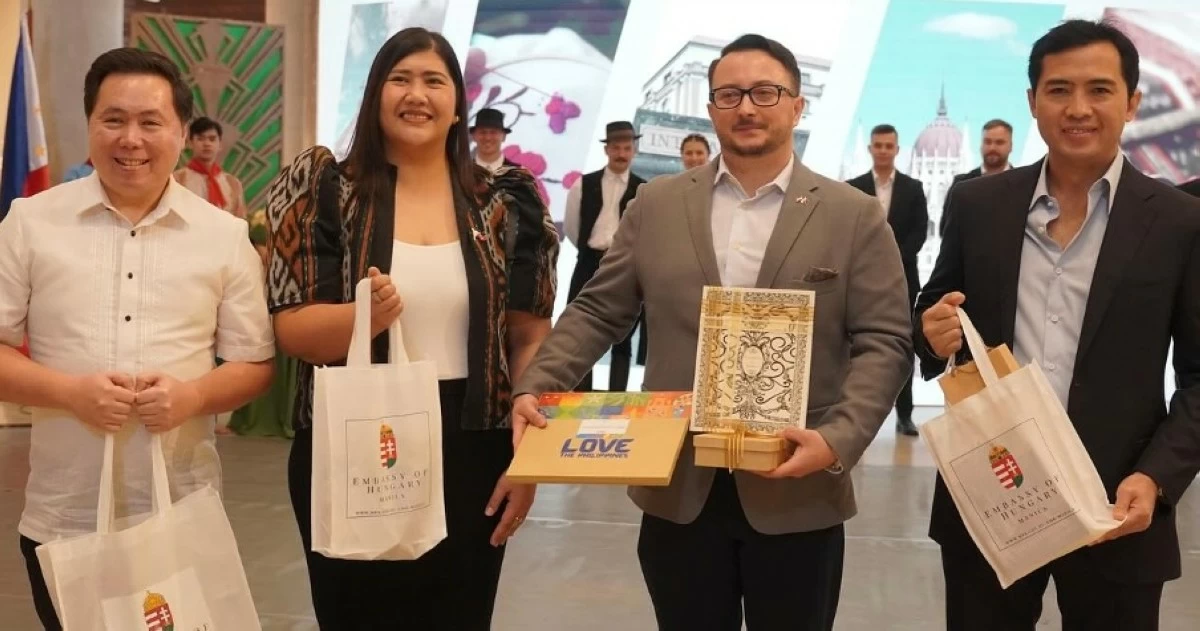
Dino Carlo S. Santos, supervising historic sites development officer and head of Museo de Intramuros; Intramuros Administrator Atty. Joan Padilla; Arkadiusz Jan Tracz, spouse of the Hungarian ambassador to the Philippines; and Department of Tourism Undersecretary Shalimar Hofer Tamano.
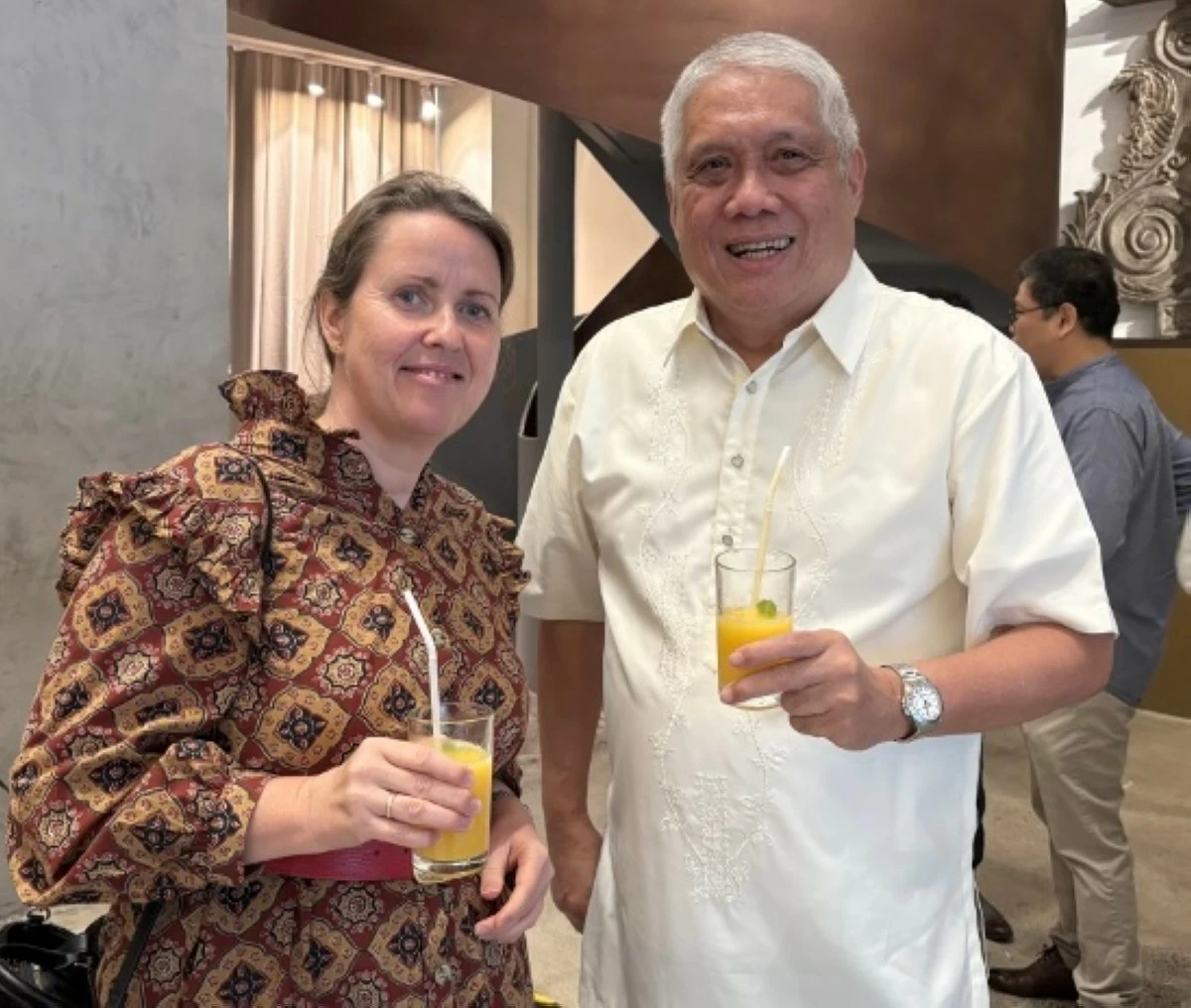
Cathrine Lykke Riseng Lyster, spouse of the ambassador of the Embassy of Norway, with Raffy Guevarra of Fenco Inc.
The event coincided with the visit of László Kövér, speaker of the Hungarian National Assembly, who attended both the Hungarian National Day celebration and the Intramuros showcase. Distinguished guests included Department of Tourism Undersecretaries Shahlimar Hofer Tamano and Ferdinand Jumapao, Intramuros Administrator Atty. Joan Padilla, and delegates from the Embassy of Hungary.
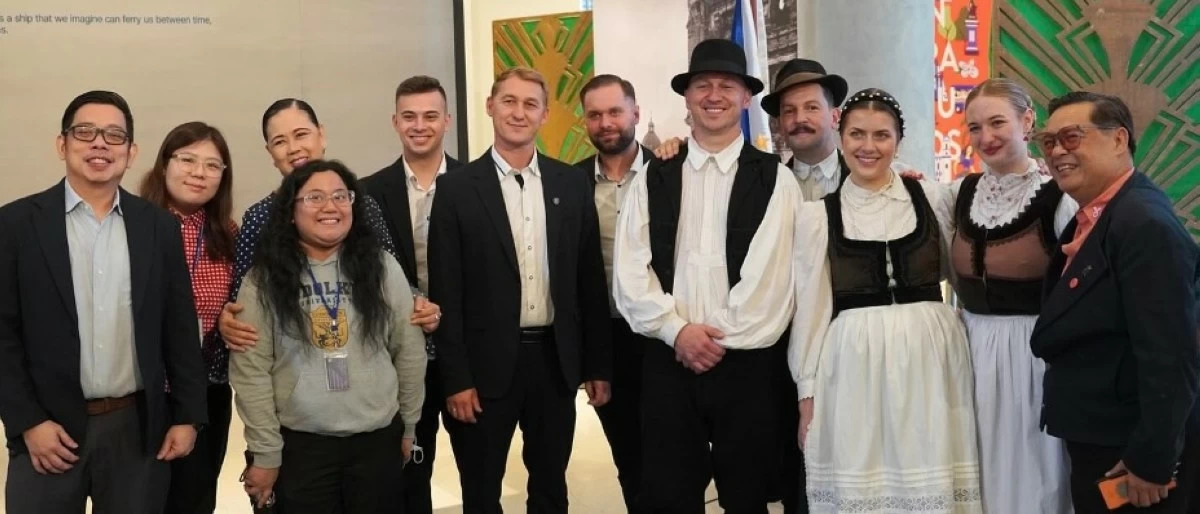
The Flaska Band and the Hungarian folk dancers with the Manila Bulletin team.
Together, they witnessed a dynamic fusion of Hungarian and Filipino artistry—where the rhythmic energy of Hungarian folk music met the soulful resonance of Filipino rondalla and dance. The Centro de Turismo Intramuros, with its historical charm and cultural significance, served as the perfect venue for this celebration of unity through heritage.
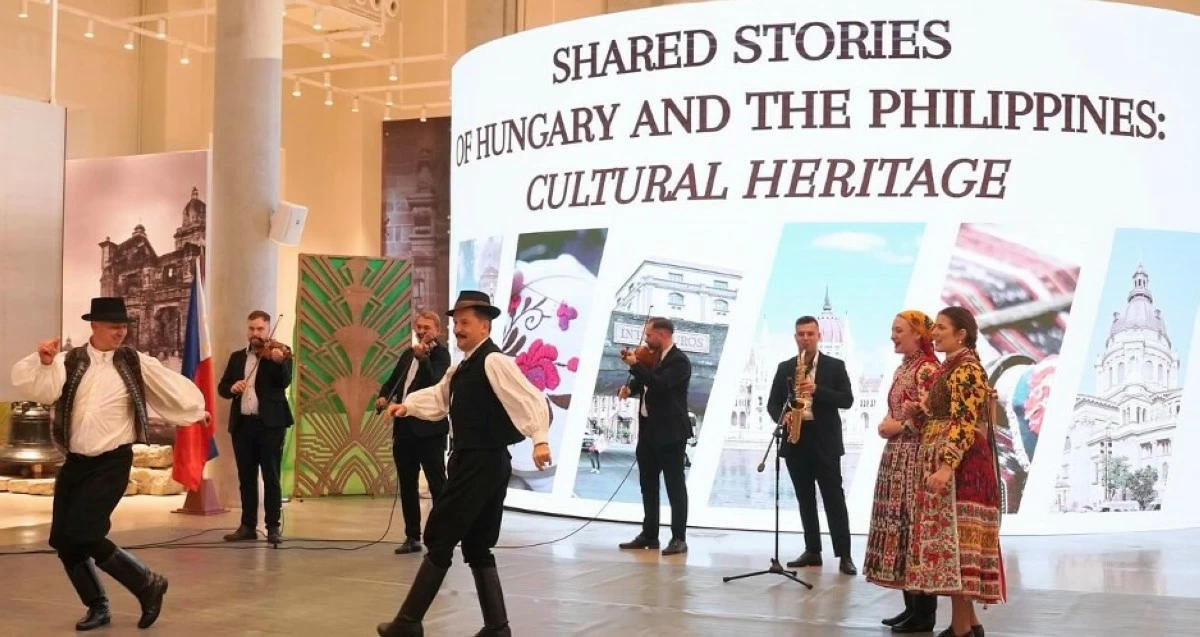
The Flaska Band joined by Hungarian folk dancers in traditional attire.
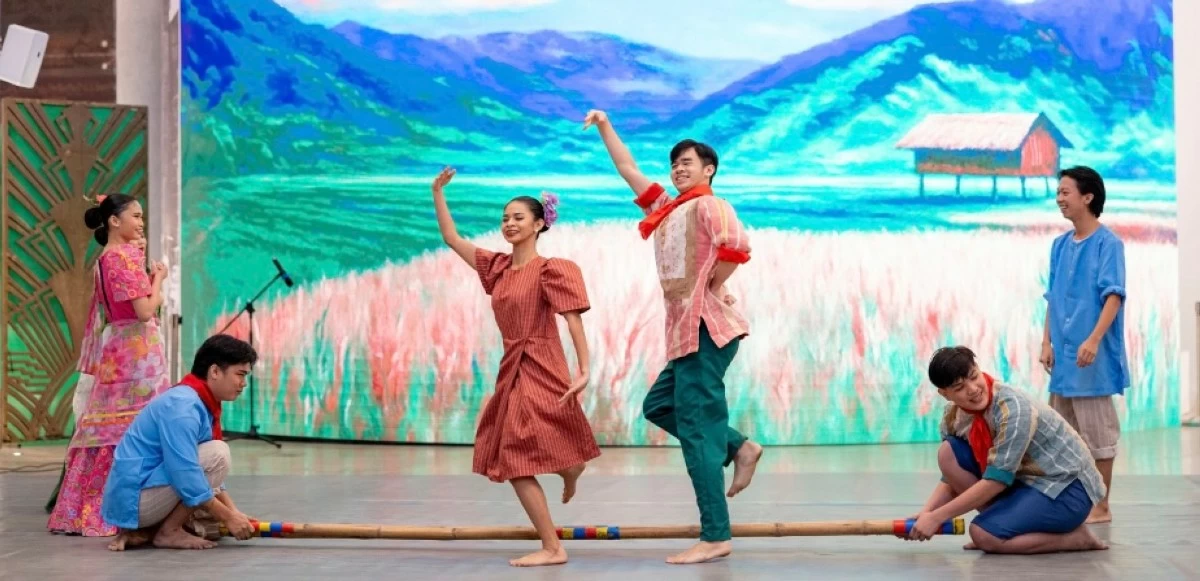
Philippines’ La Manila Dance Ambassadors
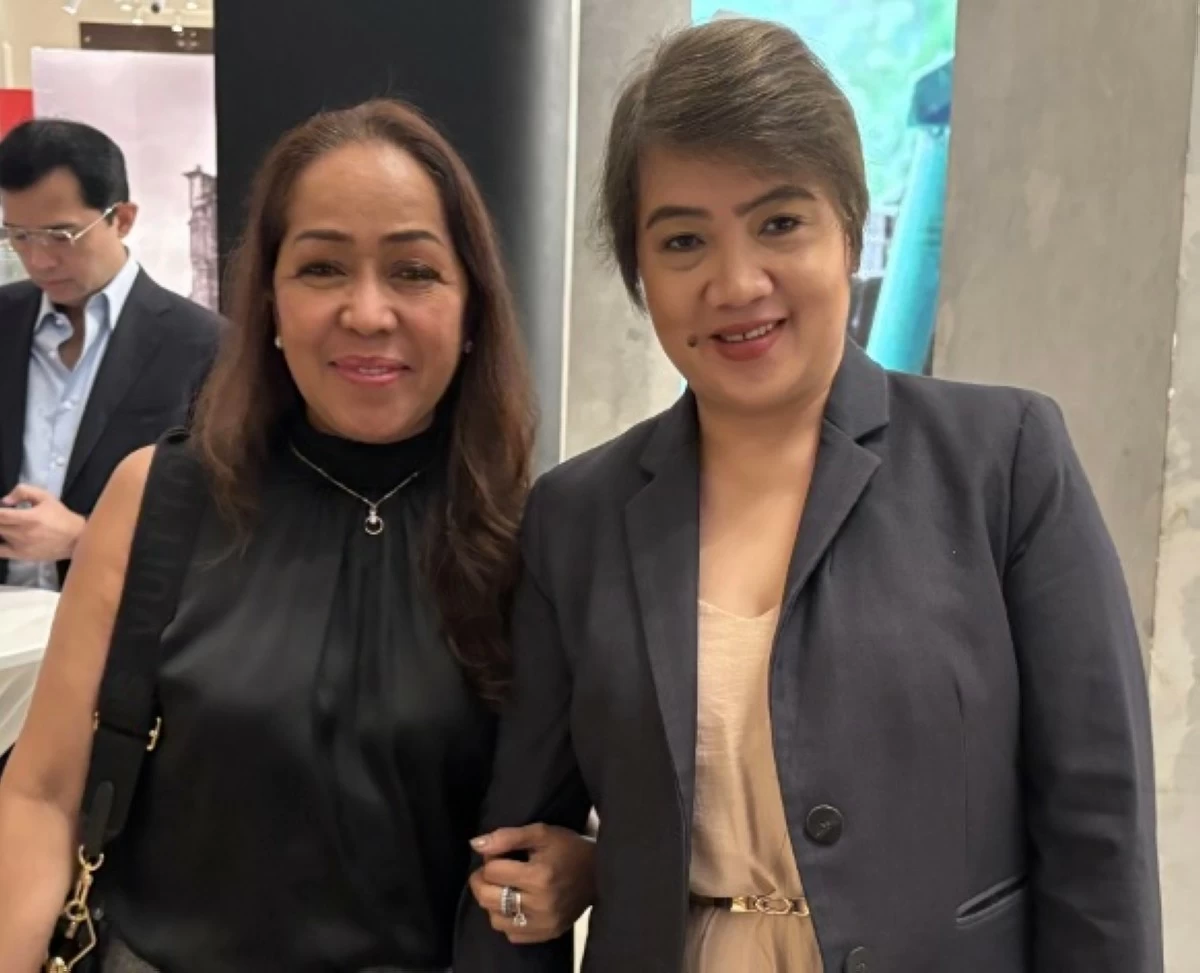
Rowena Maceren-Paragas, president and CEO of NYD International Placement Agency Inc., with Rosalyn Ompoc, president and CEO of Skyhigh Manpower Recruitment International Inc..
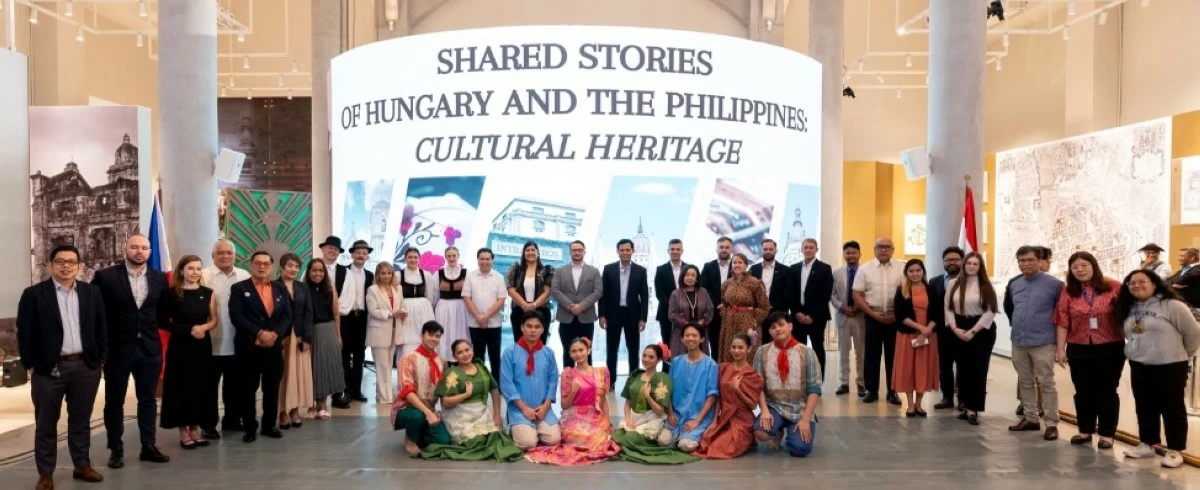
A moment captured in unity: hosts, performers, and distinguished guests gather in one frame for posterity