






Manila Bulletin
 Business
The Economy
San Miguel waives tolls on expressways for Typhoon 'Uwan' relief efforts
Business
The Economy
San Miguel waives tolls on expressways for Typhoon 'Uwan' relief efforts
Business
The Economy
San Miguel waives tolls on expressways for Typhoon 'Uwan' relief efforts
San Miguel waives tolls on expressways for Typhoon 'Uwan' relief efforts
Published Nov 10, 2025 01:44 pm


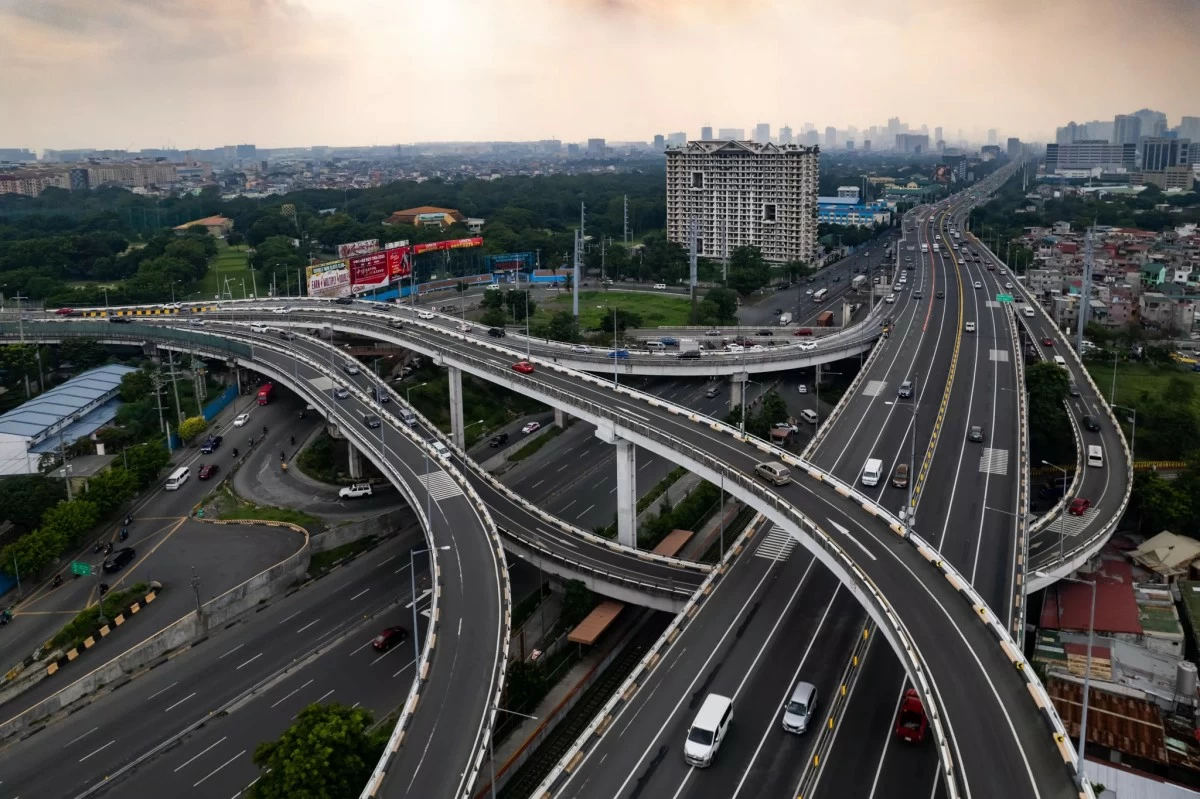
San Miguel Corp. (SMC), led by business titan Ramon Ang, is waiving toll payments on its expressways for government vehicles deployed to areas affected by the onslaught of Typhoon Uwan for relief and recovery operations.
In a statement on Monday, Nov. 10, SMC said this is in response to President Marcos’ directive to ensure the seamless movement of government responders across Luzon.
Ang, chairman and chief executive officer (CEO) of SMC, said the company’s toll operations teams are coordinating with the Department of Transportation (DOTr) and the Toll Regulatory Board (TRB) to implement the toll-free policy.
“Our priority is to make sure responders get to affected communities as quickly as possible,” said Ang.
“We have always worked with government in times of calamity. It’s part of our responsibility to help and to make sure aid reaches those who need it,” he added.
SMC, through its subsidiary SMC Infrastructure, operates more than 200 kilometers of expressway in Luzon.
SMC Infrastructure's toll road projects include the Skyway System, South Luzon Expressway (SLEX), Southern Tagalog Arterial Road (STAR) Tollway, Tarlac–Pangasinan–La Union Expressway (TPLEX), and Ninoy Aquino International Airport (NAIA) Expressway.
SMC stated that its tollway personnel have been mobilized across its expressways to assist emergency convoys and ensure their safe and uninterrupted passage.
Ahead of Typhoon Uwan’s landfall, the company said it had already deployed maintenance crews to inspect and clear drainage systems, secure roadside signage and billboards, and preposition quick-response teams and heavy equipment in flood-prone areas to keep expressways passable.
SMC has also advised motorists to observe traffic rules and speed limits at all times, and to exercise extra caution when driving in inclement weather.
During the Covid-19 pandemic, SMC waived over ₱230 million in tolls for medical frontliners across its expressways.
According to the company, more than 10,000 health workers benefited from the program during its one-year run.