






Manila Bulletin
 Business
The Economy
Philippine growth seen further slowing in 2026 as flood-graft probe hits spending
Business
The Economy
Philippine growth seen further slowing in 2026 as flood-graft probe hits spending
Business
The Economy
Philippine growth seen further slowing in 2026 as flood-graft probe hits spending
Philippine growth seen further slowing in 2026 as flood-graft probe hits spending
Published Nov 10, 2025 05:30 pm
|
Updated Nov 10, 2025 02:06 pm


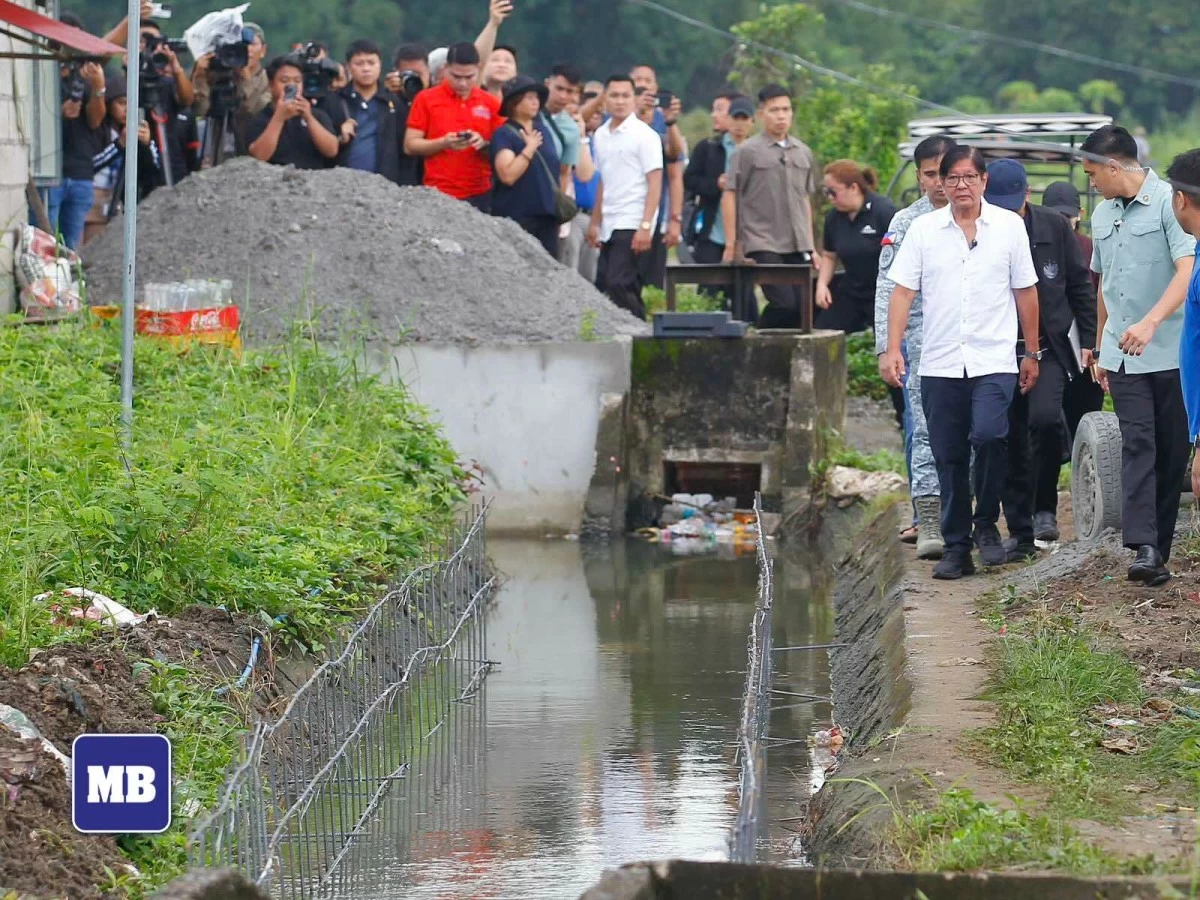
President Ferdinand R. Marcos Jr. leads the inspection of a riverwall in Barangay Piel, Baliuag, Bulacan which was tagged as a 'ghost project.' (Mark Balmores)
While holiday-related spending may temporarily buoy Philippine economic growth before year-end, next year’s performance is expected to remain subdued as a prolonged investigation into flood control corruption could temper spending on public goods and services, according to the Economist Intelligence Unit (EIU).
In a Nov. 7 report obtained by Manila Bulletin, EIU Asia analyst Kalyani Honrao and Asia-Pacific regional director Alex Holmes said they downgraded their 2026 gross domestic product (GDP) growth forecast for the Philippines to below their previous expectation of 4.6 percent, “as headwinds to major growth-drivers such as household consumption and government expenditure will outweigh any positive trends in investment and exports growth.”
EIU’s less optimistic Philippine growth projection for next year, if realized, would mark the slowest annual economic expansion since the Covid-19 pandemic-induced recession in 2020 and fall well below the government’s 2026 target of six to seven percent.
EIU noted that third-quarter growth fell to a 4.5-year low of four percent due to a string of strong typhoons, flooding, and earthquakes in central and southern Philippines, along with intensifying anti-corruption protests.
“This drag should prove transient, and EIU expects some recovery in the fourth quarter. Even so, the outlook for 2026 is relatively subdued,” it said.
EIU pointed out that despite lower inflation and interest rates, Filipino consumers remained cautious, focusing on essentials and avoiding big-ticket purchases such as vehicles amid recent natural disruptions.
As expected after heavy pre-election spending, government expenditure growth further decelerated to 5.8 percent year-on-year from 8.7 percent in the previous quarter, which reflected the conduct of the midterm polls last May, it added.
“Ongoing investigations into corruption in the flood-control infrastructure will weigh on government expenditure and investor sentiment in the quarters ahead. The decision by the President, Ferdinand ‘Bongbong’ Marcos Jr., to scrutinize public funds strictly and crack down on non-essential spending, will bode well for fiscal prudence but will keep government spending subdued,” EIU warned.
Meanwhile, EIU noted that third-quarter private investment barely rose by 0.1 percent year-on-year, down from 3.1 percent in the previous quarter, and fell 2.4 percent quarter-on-quarter due to weaker spending on durables amid political uncertainty.
For EIU, ongoing cost-cutting in government projects is expected to further dampen investment in the coming quarters.
While merchandise exports remained resilient—rising seven percent year-on-year and helping support growth despite sluggish services exports, which inched up only 0.3 percent due to weather-related disruptions—EIU expects Philippine export momentum to weaken as the effects of global trade front-loading taper off.
EIU said these third-quarter developments “strengthen our view that the Bangko Sentral ng Pilipinas (BSP) will continue its monetary easing cycle at its December meeting and in 2026 to support growth.”
As Manila Bulletin earlier reported, EIU in October forecast the BSP to slash the key policy rate to as low as 3.25 percent in 2026, from the current 4.75 percent.