







Meralco nuclear plans stalled by Washington budget fight
Published Nov 10, 2025 12:01 am


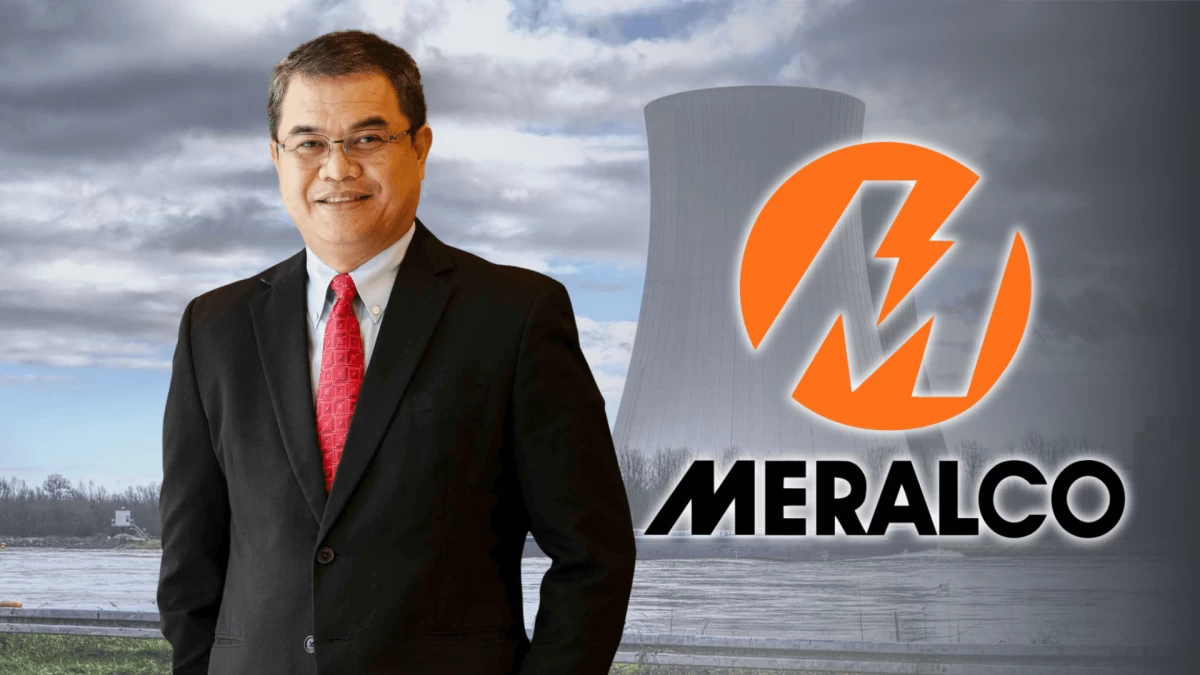
Manuel V. Pangilinan-led Manila Electric Co., (Meralco) is facing a possible delay in its small modular reactor(SMR) exploration as the Philippines prepares for initial nuclear developments.
Ronnie L. Aperocho, Meralco executive vice president and chief operating officer, said the delay stems from the ongoing United States (US) government shutdown, which has postponed the finalization of financial aid from the US Trade and Development Agency, or USTDA.
“We’re supposed to sign that [the USTDA grant],” Aperocho told reporters. “We’re supposed to formally sign the draft, but the US is currently on government shutdown.”
Washington shutdown, labeled as the “longest shutdown in history,” began on Oct. 1, pausing many federal operations, placing some employees on unpaid leave, and delaying administrative activities such as official travel and signings. The shutdown occurred because Congress has yet to agree on a budget to fund its operations.
About 1.4 million federal employees are working without pay, while other US government services remain suspended until further notice, according to a recent report from BBC News.
The situation has not only affected economic activities in the US but also delayed some cooperative initiatives with the Philippines, including the SMR grant study with Meralco.
Aperocho explained that USTDA representatives were scheduled to travel to the Philippines to complete the deal, but the signing has yet to be made.
USTDA committed $2.7 million—about ₱152 million—in August to help Meralco’s SMR exploration in the country. The small-scale nuclear facility is expected to generate about 300 to 500 megawatts of capacity once developed.
“[The study] can only move forward when everything is okay,” Aperocho said. “We’re hoping that this [the U.S. government shutdown] would be fixed so that the grant will run. It’s not a major drawback.”
Meralco earlier partnered with South Korea’s DL Engineering & Construction Co. Ltd. to help conduct feasibility studies, site assessments, and strategic planning for SMR development.
Aside from waiting for the USTDA grant, Aperocho said Meralco is also looking forward to a local policy that would support nuclear incentives, such as funding mechanisms for investors and risk-sharing strategies.
“With the Congress and the Senate, they’re finalizing the incentives and liabilities that will really influence the funding mechanism,” he said.
Last month, the Department of Energy, (DOE) revealed plans to explore funding options with the Department of Finance, the Department of Economy, Planning, and Development, and the Maharlika Investment Corp. to build a framework that would highlight flexible contracting options, including auctions, direct contracting, or aggregation for industrial and economic zone use.