






Manila Bulletin
 Business
Trade & Industry
IAEA urges nuclear power as 'critical weapon' in global climate fight
Business
Trade & Industry
IAEA urges nuclear power as 'critical weapon' in global climate fight
Business
Trade & Industry
IAEA urges nuclear power as 'critical weapon' in global climate fight
IAEA urges nuclear power as 'critical weapon' in global climate fight
Published Nov 10, 2025 08:04 am


At A Glance
- The IAEA hailed the upcoming deployment of small modular reactors (SMRs) as a game-changing solution for energy systems; and also sets a pathway into delivering reliable, zero-carbon power at unprecedented scale.
- Unlocking the full potential of SMRs demands innovative approaches to financing, policy, and regulation—especially in an era shaped by artificial intelligence (AI) and hyperscale digital infrastructure, hence, this remains a critical conversation to be pursued with key stakeholders across the globe.
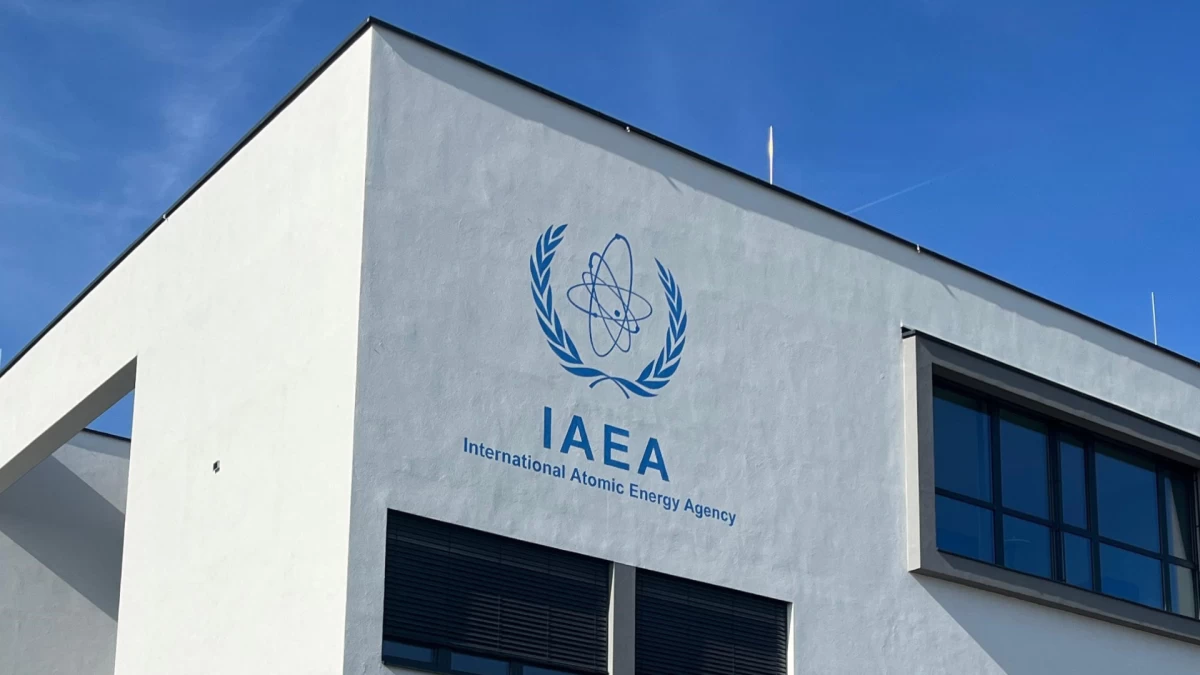
Belem, Brazil — The International Atomic Energy Agency (IAEA) will host a two-week program at the ongoing COP30 Climate Change Summit to spotlight nuclear energy's rising global momentum as a cornerstone of the clean energy transition and a critical weapon in the fight against climate change.
For the fourth consecutive year, the IAEA will showcase its 'Atoms4Climate' Pavilion at COP30, which serves as a dynamic hub for nuclear innovation, dialogue, and networking. The Pavilion will be formally kicked off on November 10 by Director General Rafael Mariano Grossi alongside ministers, global and industry leaders, and representatives of civil society organizations.
The IAEA announced that its COP30 events will "spotlight nuclear energy’s role in the clean energy transition and how nuclear science is creating solutions to environmental challenges."
Addressing investment hurdles for SMRs
In collaboration with the United Nations Framework Convention on Climate Change (UNFCCC), the global atomic agency will also bring to the fore financing strategies for low-carbon energy sources and demonstrate how emerging Small Modular Reactors (SMRs) could reshape the future of sustainable power.
The IAEA believes the upcoming deployment of SMRs will be a game-changing solution, carving a pathway to deliver reliable, zero-carbon power at unprecedented scale.
Nevertheless, the IAEA admits that unlocking the full potential of SMRs "demands innovative approaches to financing, policy and regulation—especially in an era increasingly being shaped by artificial intelligence (AI) and hyperscale digital infrastructure." This makes it a critical conversation they intend to pursue with key stakeholders across the globe.
To that end, the IAEA highlighted that its COP30 discussions will dive into cutting-edge policy frameworks, modernized regulations, and strategic financing models that can help fast-track the deployment of SMRs, all while ensuring industry players uphold the highest standards of safety.
Further, the IAEA-convened interface will examine how nuclear energy can advance alongside large-scale renewables, being a key pillar of the decarbonization strategies endorsed at COP28 in Dubai.
“Building on the outcomes of the first Global Stocktake at COP28, this event will identify pathways to accelerate the deployment of nuclear power together with renewables as well as emissions abatement and removal technologies, particularly in hard-to-abate sectors and low-carbon hydrogen production,” the agency explained.
Additionally, the nuclear oversight body emphasized its commitment to helping Emerging Market and Developing Economies (EMDEs) bolster their energy planning capabilities, offering capacity-building programs and cutting-edge tools that can also tackle cross-sectoral challenges across the Climate, Land, Energy and Water (CLEW) nexus.
The IAEA stressed that robust methodologies and tools are essential for crafting national and regional energy plans that honor each country’s unique context while advancing global climate and energy goals, which may be anchored on initiatives like Atoms4NetZero.
Such capacity-building activities, it said, could encompass “both remote and in-person training, as well as technical assistance, focusing on comprehensive energy strategies and transitions toward low-carbon economies.”
Nuclear fusion, other innovations
Beyond tackling nuclear development terrains and financing challenges, the IAEA-led discussions will also feature cutting-edge advances in fusion research, with the International Thermonuclear Experimental Reactor (ITER) showcasing the latest breakthroughs in next-generation nuclear technology.
The ITER is a global collaboration to build the world's largest tokamak in southern France, designed to demonstrate the scientific and technical feasibility of fusion as a large-scale, carbon-free energy source.
The IAEA will likewise explore how nuclear and isotopic techniques can tap the potential of ‘blue carbon’ as a form of nature-based solution for carbon sequestration, and on a broader scale, demonstrating the importance of preserving coastal ecosystems and their biodiversity.
Through its Marine Environment Laboratories, the nuclear agency is driving 'blue carbon' endeavors via mangroves, seagrasses, and saltmarshes. It has been helping to advance sustainable development, strengthen climate resilience, and support international reporting under frameworks such as the UNFCCC and the Sustainable Development Goals.
With these initiatives, the IAEA aids countries in gathering precise data on carbon stocks and sequestration rates. This serves as valuable information to guide national policies, underpin restoration and coastal management strategies, and unlock innovative financing tools like carbon markets.
Moreover, the agency will employ nuclear techniques to monitor and assess glacier retreat, tracking melting patterns to safeguard sustainable water resources for generations to come.
Over and above that, the IAEA will host an event examining how replacing coal with nuclear energy can drive a just and inclusive transition to a clean energy future.
That particular engagement will tackle strategies to repurpose existing infrastructure, reskill local workforces, and engage communities throughout the transition process. The agency will draw on international experiences and policy insights for this specific undertaking.
“The event will highlight practical approaches to delivering climate goals while supporting economic resilience in coal-dependent regions. The discussion will bring together perspectives from policy, industry, and development to inform pathways for a just and sustainable energy future,” it concluded.