






 Philippines
National
Senate bill seeks 30% salary increase for employees forced to work during strong typhoons, calamities
Philippines
National
Senate bill seeks 30% salary increase for employees forced to work during strong typhoons, calamities
Senate bill seeks 30% salary increase for employees forced to work during strong typhoons, calamities


At A Glance
- In filing Senate Bill No. 520 or the proposed Calamity Work Compensation Act, Sen. Loren Legarda said it is imperative to mandate the granting of additional compensation to private sector employees who are required to report for work during declared calamities and emergency situations.
A bill seeking to increase by 30 percent the daily minimum wage of private sector employees who are forced to go to work during strong typhoons is being pushed in the Senate.
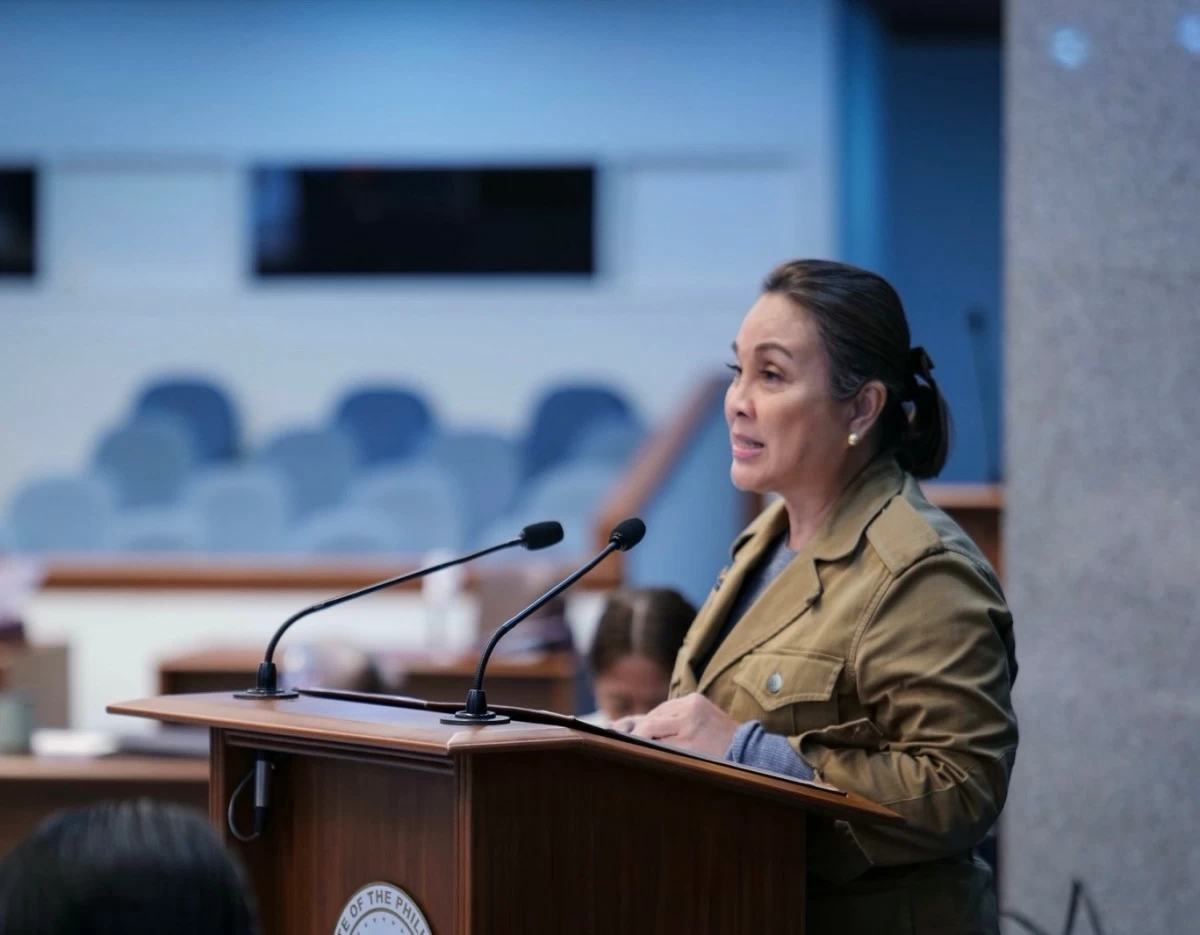
In filing Senate Bill No. 520 or the proposed Calamity Work Compensation Act, Sen. Loren Legarda said it is imperative to mandate the granting of additional compensation to private sector employees who are required to report for work during declared calamities and emergency situations.
Because beyond typhoons, the country’s geographical positioning along the “Pacific Ring of Fire” renders it susceptible to a multitude of natural calamities, and an estimated 60 percent of the country’s land area and 74 percent of its population are exposed to floods, cyclones, droughts, earthquakes, tsunamis, landslides and other similar hazards.
Legarda also noted that in 2024, for the third year in a row, the Philippines topped the World Risk Index (WRI), a survey assessing the exposure, vulnerability and coping capacities to disasters, conflicts and crisis. The WRI, covering 193 countries, underscores the Philippines’ extreme susceptibility to natural hazards and other global risks.
“Climate change has intensified the frequency and severity of extreme weather events, further exacerbating the vulnerabilities of the Philippines and increasing the risks faced by workers and businesses alike,” Legarda said in the explanatory note of the bill.
And in the face of these difficulties, the senator noted certain industries still stand as pillars of resilience, ensuring the continuity of essential services, especially those working in the transportation, food supply, healthcare, media and utilities that remain operational driven by an unwavering commitment to public welfare.
“Their operations are not merely business endeavors but vital public functions that uphold the nation's stability,” she said.
Thus, the senator said, it is imperative to ensure fair compensation for those who sustain essential services during calamities.
“This measure strengthens not just labor rights but also public service and economic stability in times of crisis,” she said.
Under the bill, private sector employers are to provide an additional 30 percent daily wage to employees required to report for work during declared calamities and emergency alerts.
The rate, she assured, aligns with existing labor standards on overtime, rest day work and special holidays under Presidential Decree No. 442 or the Labor Code of the Philippines.
“When combined with the additional expenses incurred due to lack of necessary provisions, earlier departure times, travel adaptations, heightened safety risks, and inflationary pressures during calamities, this rate provides a fair and reasonable compensation framework for employees reporting to work under extreme conditions,” she said.
But she said, this compensation should not be misconstrued as hazard pay or a substitute for any legally mandated benefits. “Instead, it serves as a reimbursement for the additional expenses and hardships employees incur, ensuring they are not financially disadvantaged for their indispensable service,” Legarda said.
The primary aim of the bill, she said, is to offset the increased costs related to transportation, food, and other necessities, and ensures that employees can perform their duties without the added stress of financial strain.
“It is imperative to emphasize that this legislation does not encourage employees to place themselves in harm's way. The safety and well-being of the workforce remain paramount. Instead, the (bill) ensures that when their roles necessitate presence during such events, they are justly compensated for the additional challenges faced,” the lawmaker explained.
Also under the bill, the Department of Labor and Employment (DOLE) will determine the guidelines for the correct calculation of calamity pay, based on the type of work, level of risk, and severity of the calamity.
Employers who fail to comply may be subject to fines or other appropriate penalties.