






Manila Bulletin
 Philippines
National
Kaufman says arrest warrant vs Bato is a 'figment of imagination'
Philippines
National
Kaufman says arrest warrant vs Bato is a 'figment of imagination'
Philippines
National
Kaufman says arrest warrant vs Bato is a 'figment of imagination'
Kaufman says arrest warrant vs Bato is a 'figment of imagination'
Published Nov 9, 2025 02:51 pm


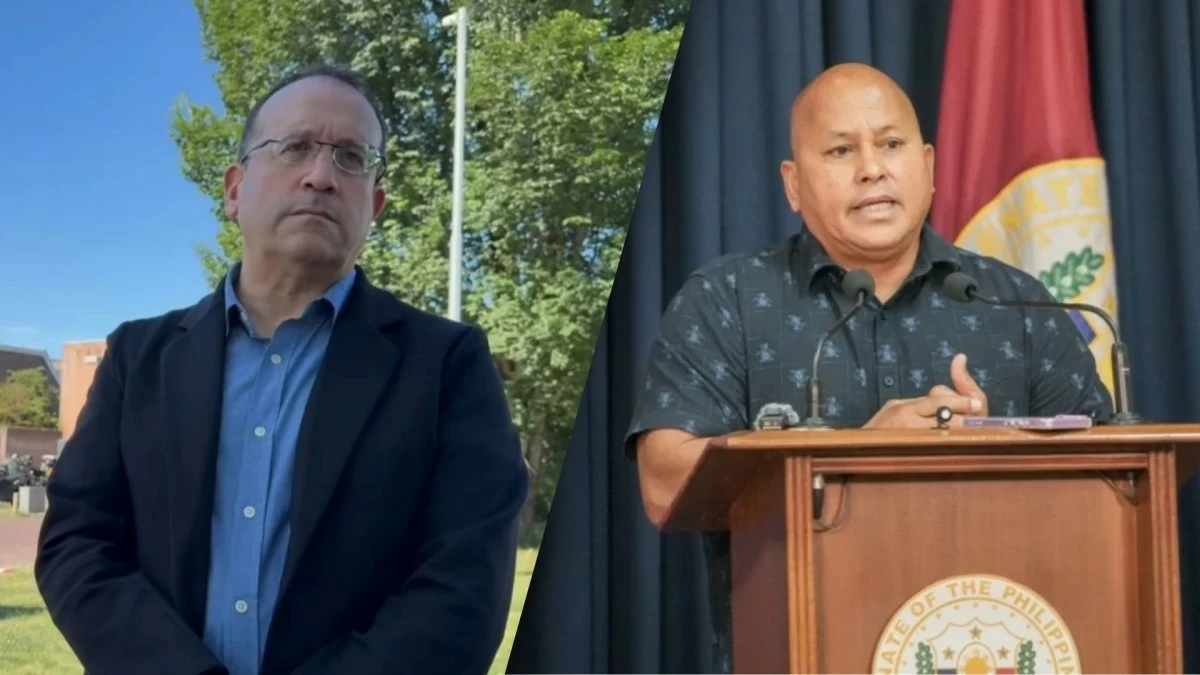
International Criminal Court lawyer Nicholas Kaufman and Senator Ronald 'Bato' dela Rosa (File photos)
International Criminal Court (ICC) defense lawyer Nicholas Kaufman dismissed as “fictional” the reported issuance of an arrest warrant against Senator Ronald “Bato” dela Rosa by the High Court, calling the claim “a figment of Ombudsman Remulla’s fertile imagination.”
Kaufman, who is former president Rodrigo Duterte’s lead counsel in his crimes against humanity charge at the ICC, said this after Ombudsman Jesus Crispin Remulla claimed the ICC had issued a warrant for Dela Rosa’s arrest in connection with its probe into the Duterte administration’s anti-drug campaign.
“There is nothing to suggest that the supposed arrest warrant for Senator Dela Rosa is anything other than a figment of Ombudsman Remulla’s fertile imagination,” Kaufman said in a statement.
“It goes against all common sense and prosecutorial logic for the ICC to issue further warrants in the context of the Philippines investigation until the issue of its ability to exercise jurisdiction over the so-called war on drugs has been finally resolved on appeal,” he added.
No new warrant confirmed
In a separate clarification, ICC spokesperson Fadi El Abdallah told NewsWatch Plus that there have been no official updates about any new warrants beyond the case against former president Rodrigo Duterte.
“Official ICC updates can only be confirmed through its official channels,” he said, adding that the Court still has only the case against Duterte at present. Duterte was arrested in March.
The ICC’s public docket and press office have not released any new filings or announcements regarding additional charges or warrants related to the Philippine situation.
Both Malacañang and the Department of Foreign Affairs (DFA) said Saturday, Nov. 8, that there was no confirmation yet if the ICC had indeed issued an arrest warrant against Dela Rosa.
Meanwhile, Executive Secretary Lucas Bersamin said Dela Rosa could not be automatically turned over to the ICC even with an arrest warrant.
“The Supreme Court has since come out with a new rule on extradition requiring a prior resort to a court before the person subject to extradition may be brought out of the country,” he said.
The ICC’s probe into the Philippines centers on alleged crimes against humanity committed during the Duterte administration’s war on drugs between 2016 and 2019. The Philippine government withdrew from the ICC in 2019, a move that has since become the subject of a jurisdictional dispute.
Dela Rosa, who served as Philippine National Police chief during the early years of the drug campaign, has repeatedly denied wrongdoing and insisted that the operations were lawful.