







Sparks fly at Clark
Clean energy takes center stage in the push for profitable, sustainable growth
Published Nov 7, 2025 02:34 pm


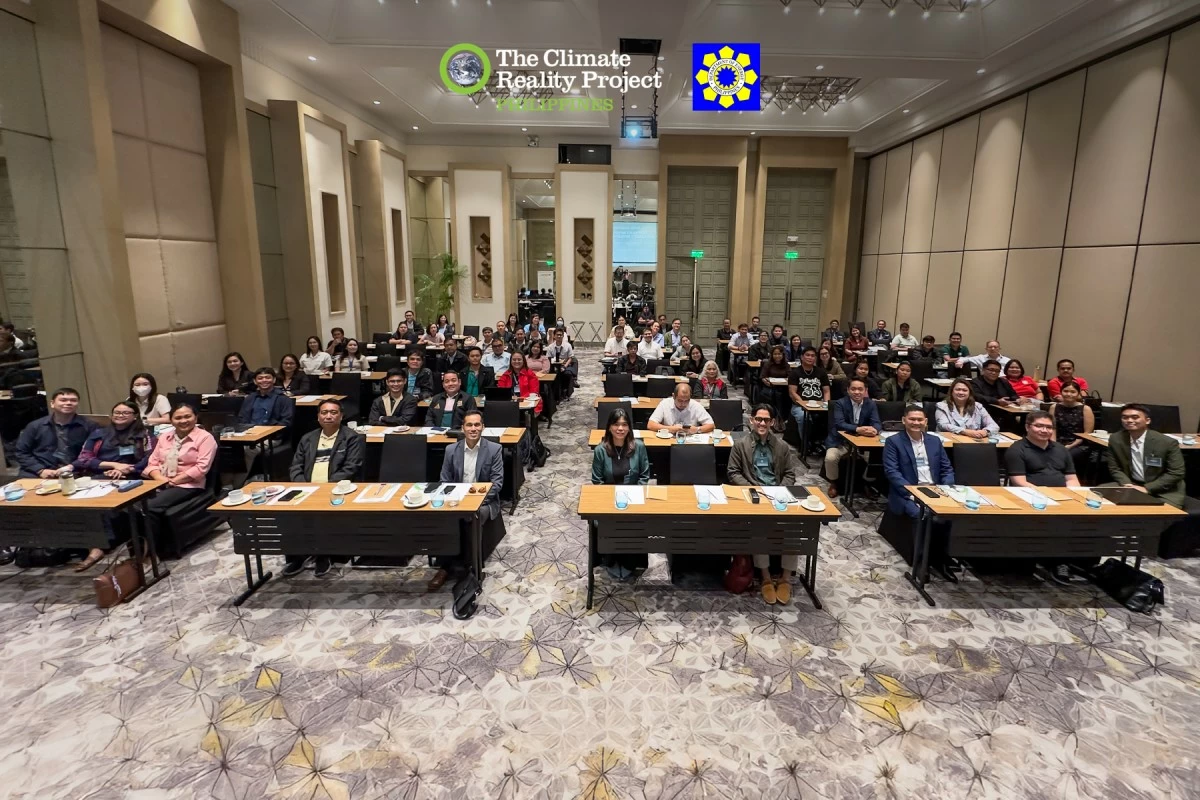
Representatives from key energy policy implementers, neighboring private businesses and distribution utility companies attend the Luzon leg of Choosing REnewables.
True to its mission of driving the country’s low-carbon transition, The Climate Reality Project Philippines has once again kickstarted its Choosing REnewables campaign. In partnership with the Department of Energy (DOE), this initiative combines public consultation and information outreach on the Green Energy Option Program (GEOP) and other voluntary renewable energy mechanisms to accelerate the shift of both private and public sectors toward clean energy.
The campaign’s first stop was at Clark, Pampanga, with the event held at Quest Plus Conference Center last Oct. 28.
Home to sprawling highways and impressive buildings, Clark is reminiscent of the progressive business districts like Bonifacio Global City in Taguig and Ortigas Center in Pasig City.
“Clark’s potential as an emerging business center is just gaining traction. More companies— local and foreign— are eyeing to get a piece of Clark’s prime real estate pie. But with rising operating expenses across the Philippines, business owners might bite more than they can chew,” said Pocholo Enriquez, Energy Program Lead of Climate Reality Philippines.
Enriquez also authored the organization’s 2024 study on the socioeconomic benefits of clean energy through the GEOP. The Choosing REnewables roadshows were designed as a platform to promote GEOP and gather stakeholders’ insights on how the program can catalyze the country’s transition to renewable energy (RE).
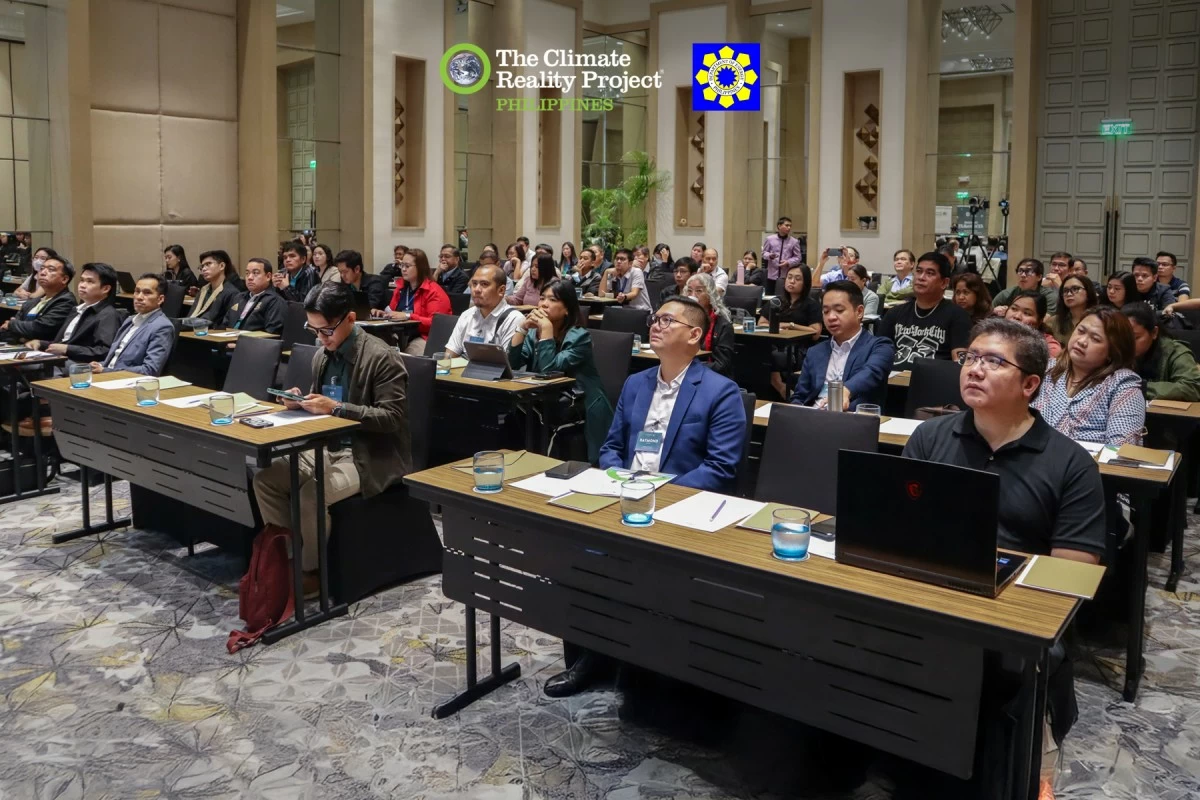
Guest speakers showcase the many benefits of the Green Energy Option Program for an emerging economic hub like Clark.
Renewable is not only sustainable, but profitable
“Clark caters to foreign and domestic investment that varies from agro, industrial, tourism, manufacturing and electronics. [For many of these potential investors in Clark], the deal breaker is power reliability. And now, just very recently, the sustainability aspect of power generation,” said Erwin Bognot, Environmental Permits Division Head, Clark Development Corporation (CDC).
According to Bognot, one way to address these concerns is shifting to RE.
More than just a way to minimize operating costs, transitioning to RE also helps businesses achieve their net zero commitments. This shift to sustainability also makes local businesses attractive to global investors, who are steadily leaning towards low-carbon operations.
Fortunately, Philippines’ legislation provides many avenues to fast-track this shift for the private sector. Through the wide-ranging efforts of civil society, key government agencies, and the private sector, mechanisms like GEOP were conceived to drive the transition to RE.
“Since GEOP’s launch, more than 800 customers in Luzon, Visayas, and Mindanao have opted to participate in the program— representing a total peak demand of 220 megawatts,” said Dir. Marissa Cerezo, Director IV at the Department of Energy - Renewable Energy Management Bureau (DOE-REMB).
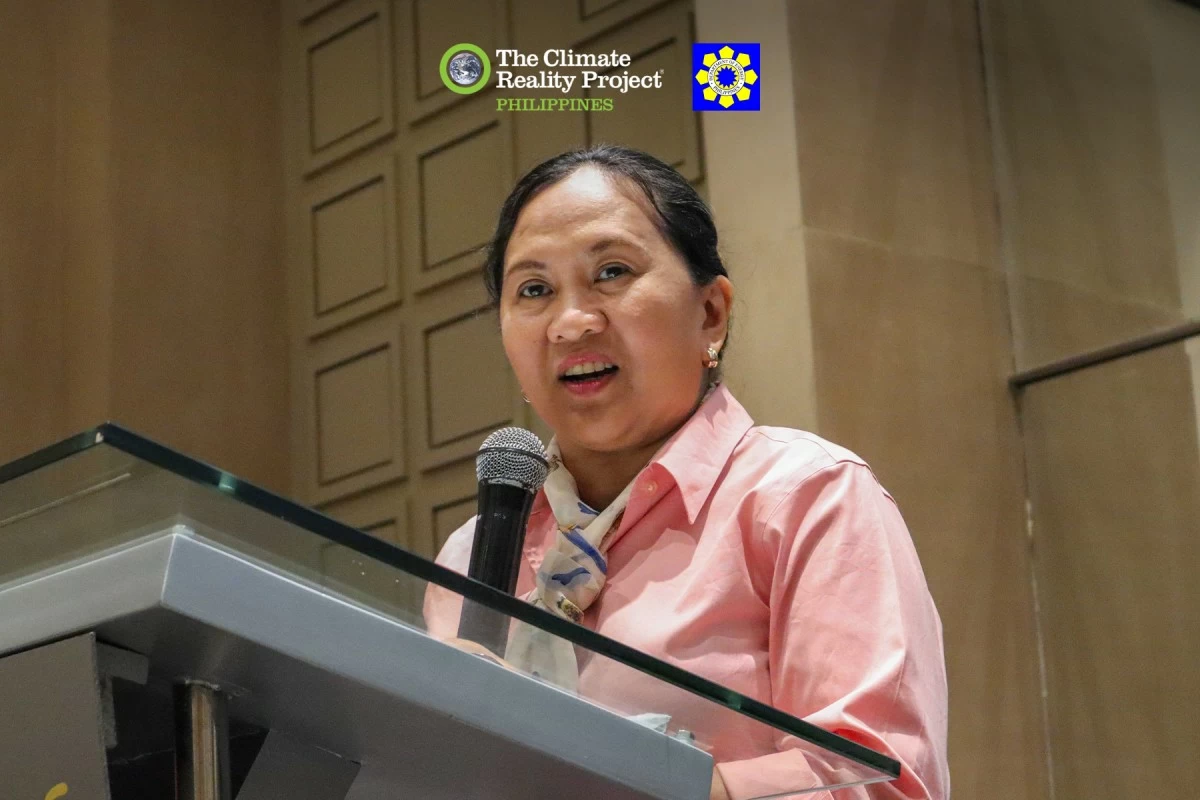
The Department of Energy - Renewable Energy Management Bureau’s Director IV, Marissa Cerezo talks about the department’s partnership with Climate Reality Philippines to promote RE.
The GEOP is among the Philippines’ key climate mitigation initiatives, grounded in a whole-of-nation approach to reducing the country’s risk to the adverse effects of climate change. With the energy sector leading in carbon emissions, it’s only fitting that efforts to curb climate change begin there.
“Our GEOP customers not only benefit from a cheaper cost of electricity, but also help the country achieve its sustainable targets by switching to 100% renewable sources,” added Dir. Cerezo.
Choosing energy that works for you
In attendance during the forum were a variety of GEOP players, hoping to make a case for RE in Clark. These include GEOP switchers, RE suppliers, and representatives from the DOE and the ERC.
“When the Department of Energy launched the GEOP, we saw it is not just a policy but as a call to action for businesses to take responsibility,” said Raymond Hernandez, President and CEO of RSRH Livestock Corporation. Hernandez is one of the many GEOP switchers who swear by the program’s benefits to his business operations.
Working as a GEOP supplier, the Ayala-owned ACEN Renewable Energy Solutions was also invited to showcase the many benefits of shifting to RE through GEOP. These benefits include savings on electricity bills and VAT zero-rated purchases of RE.
“GEOP is actually like a gift that's there for all end-users. Imagine— 100% renewable energy, zero emissions. You’ll sleep well knowing that your facility’s running on 100% RE, right?” said Engr. Sheila Mina, Vice President and Account Management Head at ACEN RES.
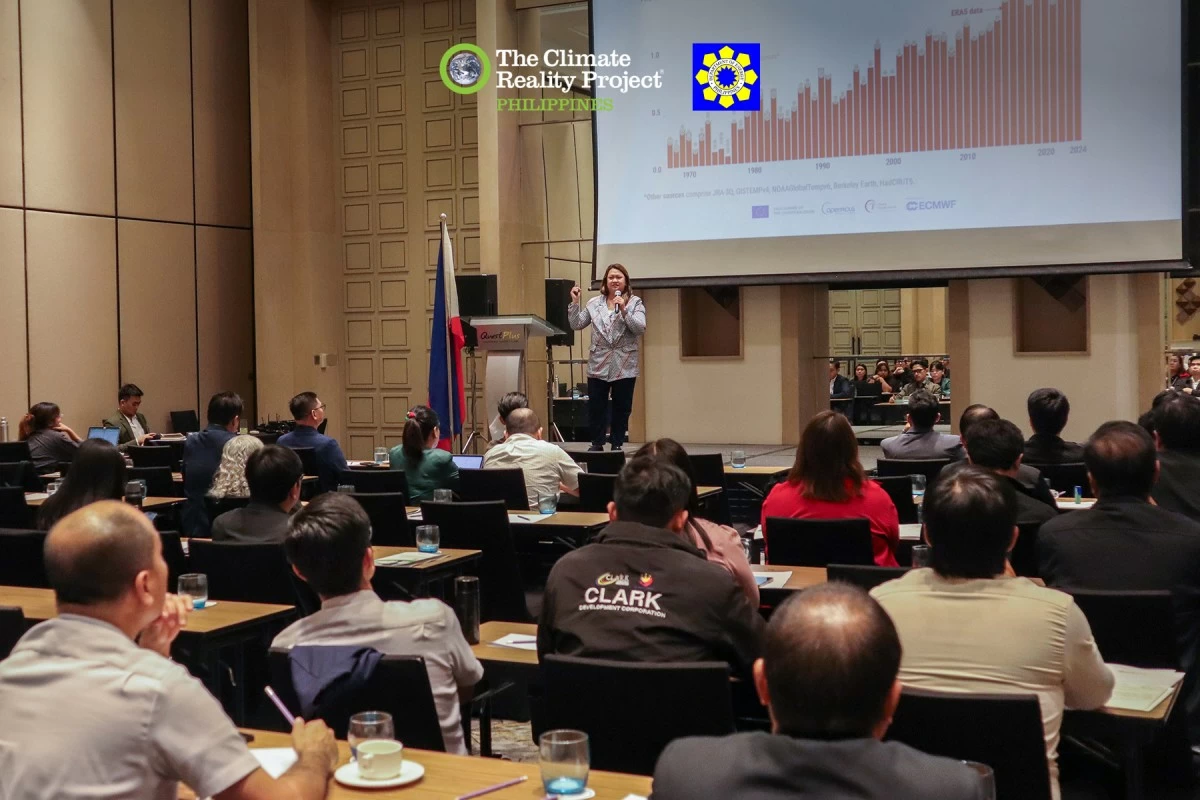
Engr. Sheila MIna from ACEN RES narrates the many benefits of GEOP to their clients.
Aside from the many GEOP benefits discussed, participants also shared some concerns about the program. These include operational gaps such as limited RE supply, permitting hurdles, and the need for stronger interagency collaboration.
Speakers acknowledged the issues raised during the discussions, with the DOE-REMB promising ongoing amendments to the GEOP to address these concerns. One glaring issue that emerged was the lack of GEOP awareness within the private sector, a matter that the Choosing REnewables roadshows is currently addressing..
“More than marketing RE and GEOP, our forum hopes to become an avenue for a healthy exchange of ideas on building a sustainable Philippines. Whether it’s your first time hearing about RE or the hundredth, we value what you bring to the RE conversation because all of your ideas are bound to spark a long-term shift to clean energy,” added Enriquez.
The Clark forum marked the first of two Choosing REnewables legs. The next is scheduled for Nov. 19 in Tagbilaran, Bohol.