






Manila Bulletin
 Lifestyle
Fashion and Beauty
Saed El-Achkar on H&M's mission of 'liberating fashion for many'
Lifestyle
Fashion and Beauty
Saed El-Achkar on H&M's mission of 'liberating fashion for many'
Lifestyle
Fashion and Beauty
Saed El-Achkar on H&M's mission of 'liberating fashion for many'
Saed El-Achkar on H&M's mission of 'liberating fashion for many'
By John Legaspi
Published Nov 7, 2025 07:43 am
|
Updated Nov 10, 2025 04:38 am


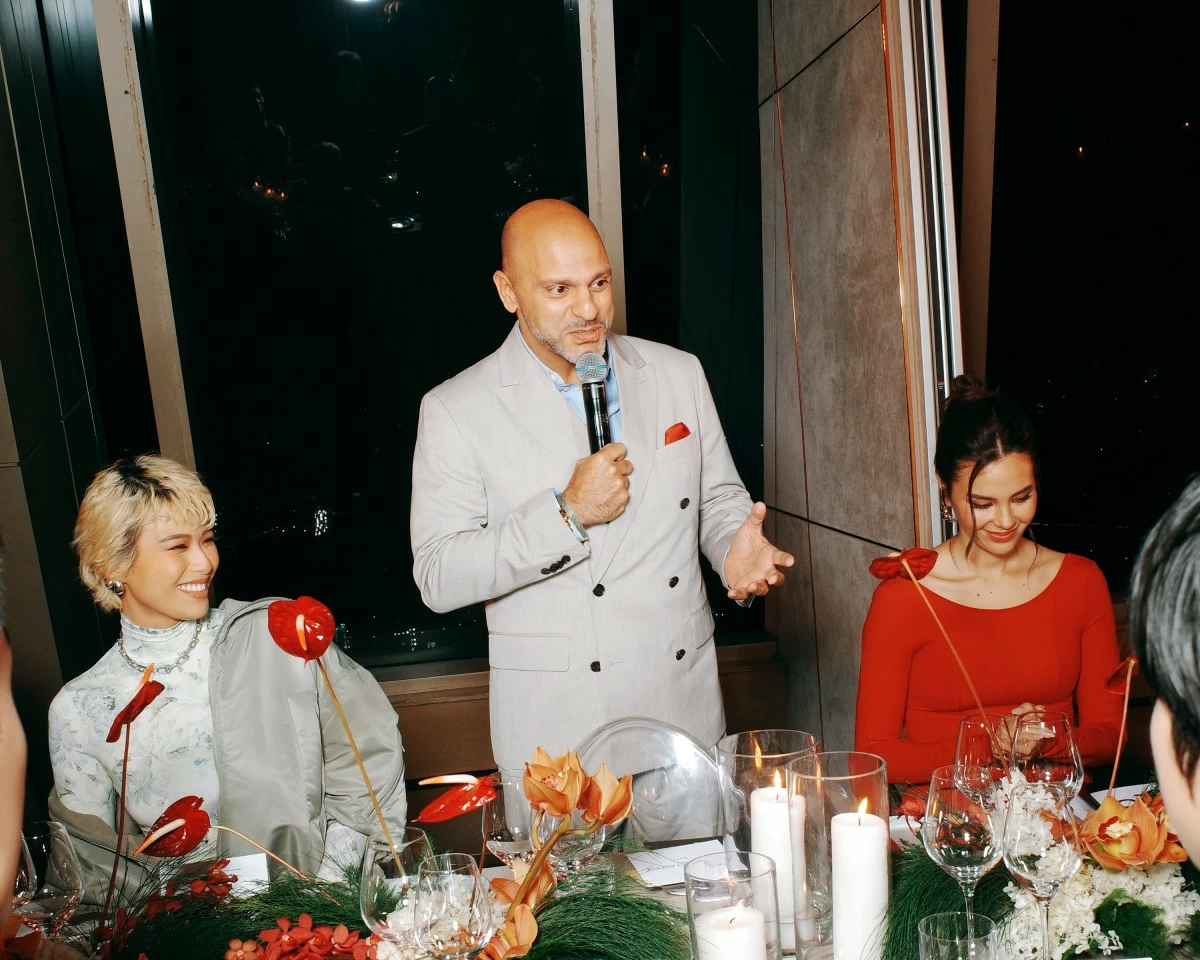
For more than a decade, multinational fashion retailer H&M has been giving Filipinos tools for chic self-expression at a friendly price. Through the years, it has dotted the country with its stores, collaborated with local creatives, and forged partnerships to further strengthen its sustainability mission.
As it marks its 11th year in the country, it hosted its first-ever fashion presentation last September, at the Grand Hyatt Manila in Taguig City—witnessed not just by its Filipino friends but also by style stars from South Korea, Malaysia, Vietnam, and Singapore. The event unveiled its fall-winter 2025 collections: Chapters 1 and 2, H&M Studio, and H&M Atelier.
Recently, the brand also announced the arrival of its collaboration collection with Belgian fashion designer Glenn Martens, which—like its past collaborations with major design visionaries—“democratizes fashion for the many.”
During H&M’s Philippine soirée, Manila Bulletin Lifestyle got a chance to sit down with Saed El-Achkar, the brand’s president for East Asia and Greater China. In our conversation, he shared insights on the brand’s commitment to sustainability, its evolving connection with Filipino consumers, and its vision for shaping a more responsible future in fashion.
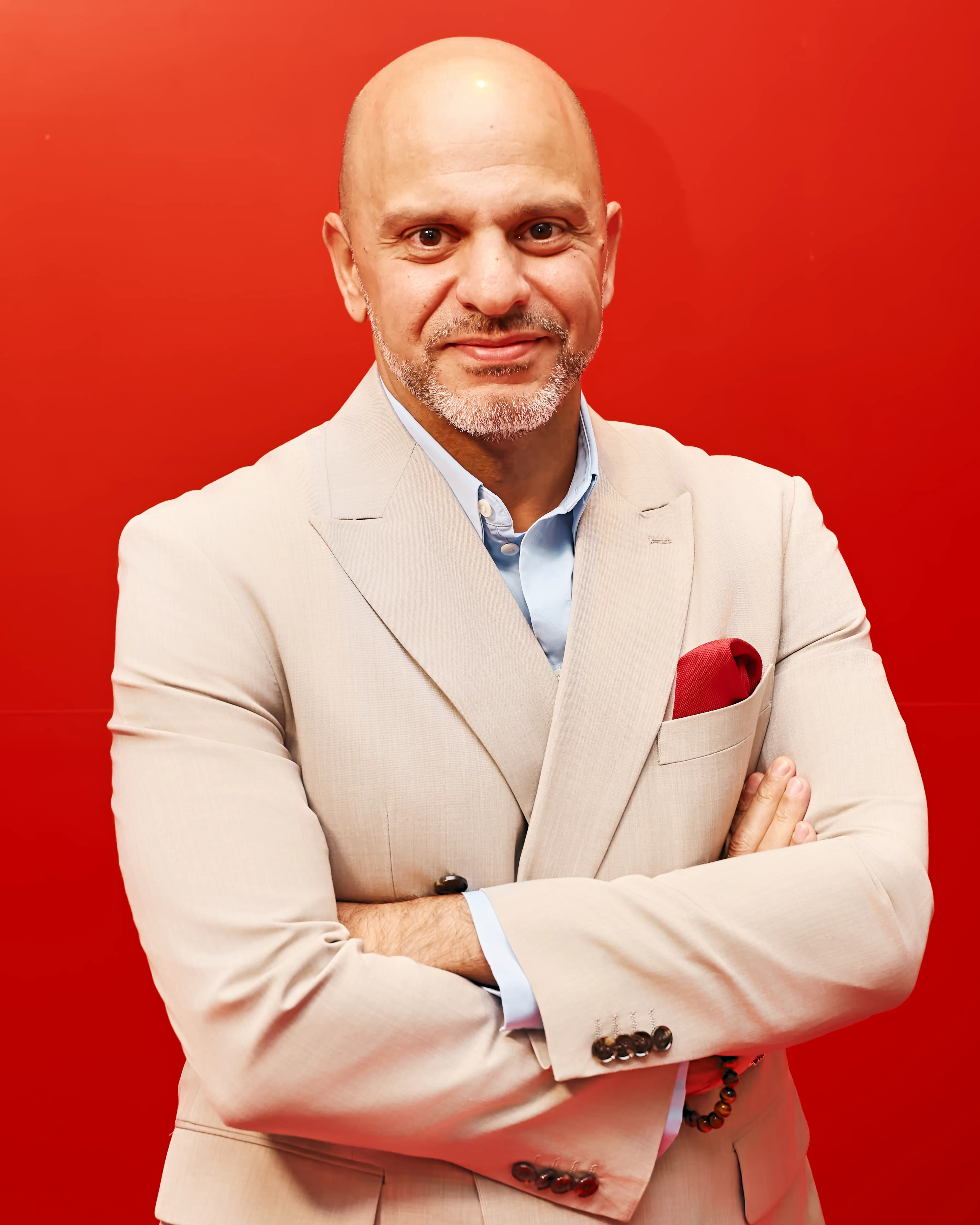
Saed El-Achkar, H&M's president for East Asia and Greater China
Hi, Saed! First of all, can you tell us how you first became part of H&M?
I’m an architect by education. I was working as an architect, and H&M became our client—that’s how I got introduced. It was a love story at first sight. I walked into the office and saw the diversity—people talking passionately, everyone speaking with an accent. I felt like this was my home.
My days now are quite intense. But to sum it up, I try to focus more on where our customers are. You’ll see me at the stores, sitting with our digital teams, and at airports a lot lately because we cover a variety of markets. I'm blessed with the best team—the most professional retail team in the world—who get everything done, giving me time to focus on our customers, understand them, and see if our strategy fits their needs.
As the brand’s president for East Asia and Greater China, what values are most important to you when leading a regional business for a global brand like H&M?
The number one priority, as we are a fashion brand, is that our fashion is elevated in all aspects—from design and quality to how we present it to our customers, how they discover it, and how it makes them feel. It’s about the experience they get from us. It’s not only about transactions; it’s about having fun in the stores and feeling inspired. When customers leave, are they happy? We want to make sure they walk out with a smile and confidence.
The same goes for our online experience, which is why we make significant investments in our website. In the Philippines, we’ve upgraded our site by offering cash-on-delivery. This is just the first step for us to be more relevant to what consumers expect.
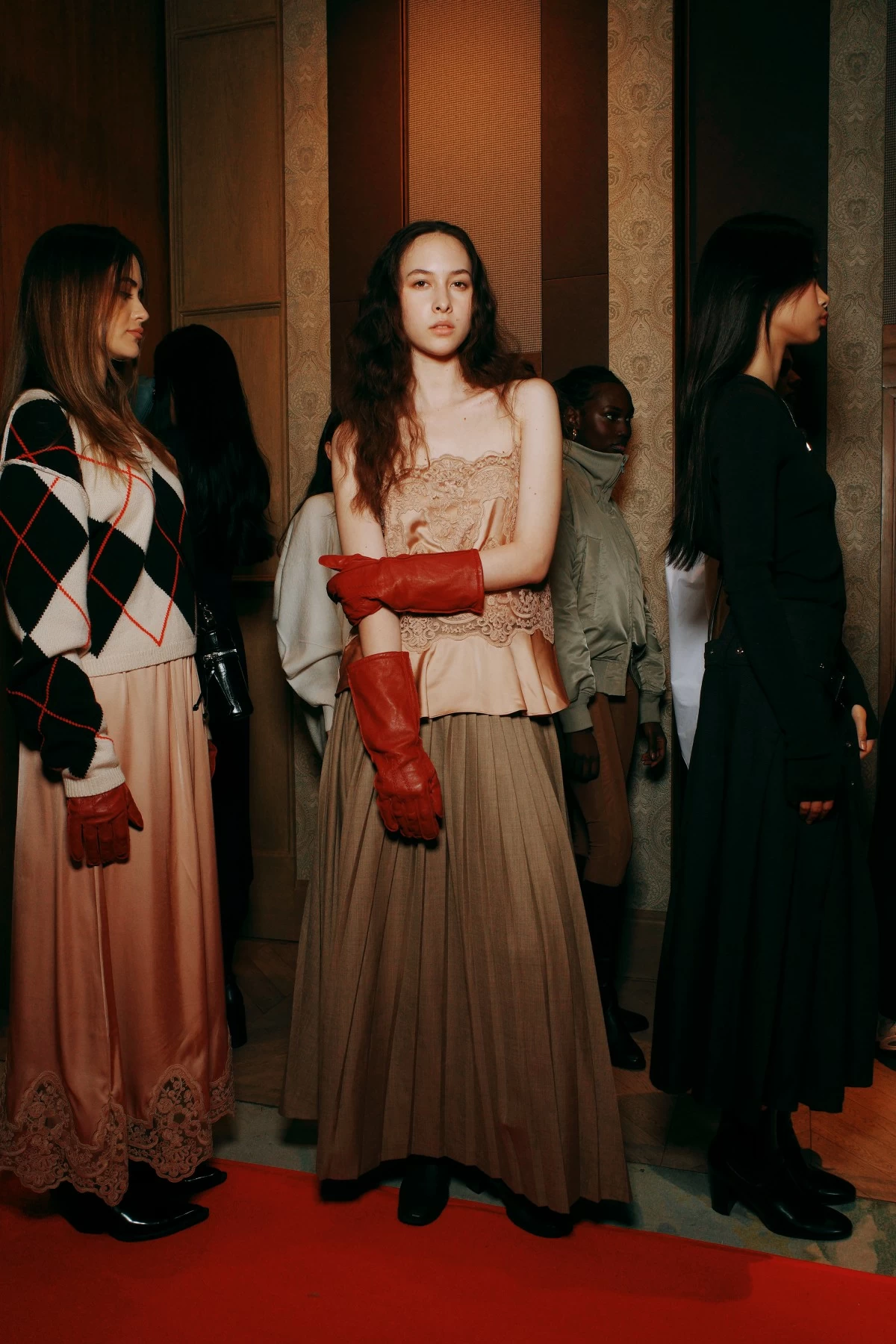
H&M's fall-winter 2025 collections launch in Manila
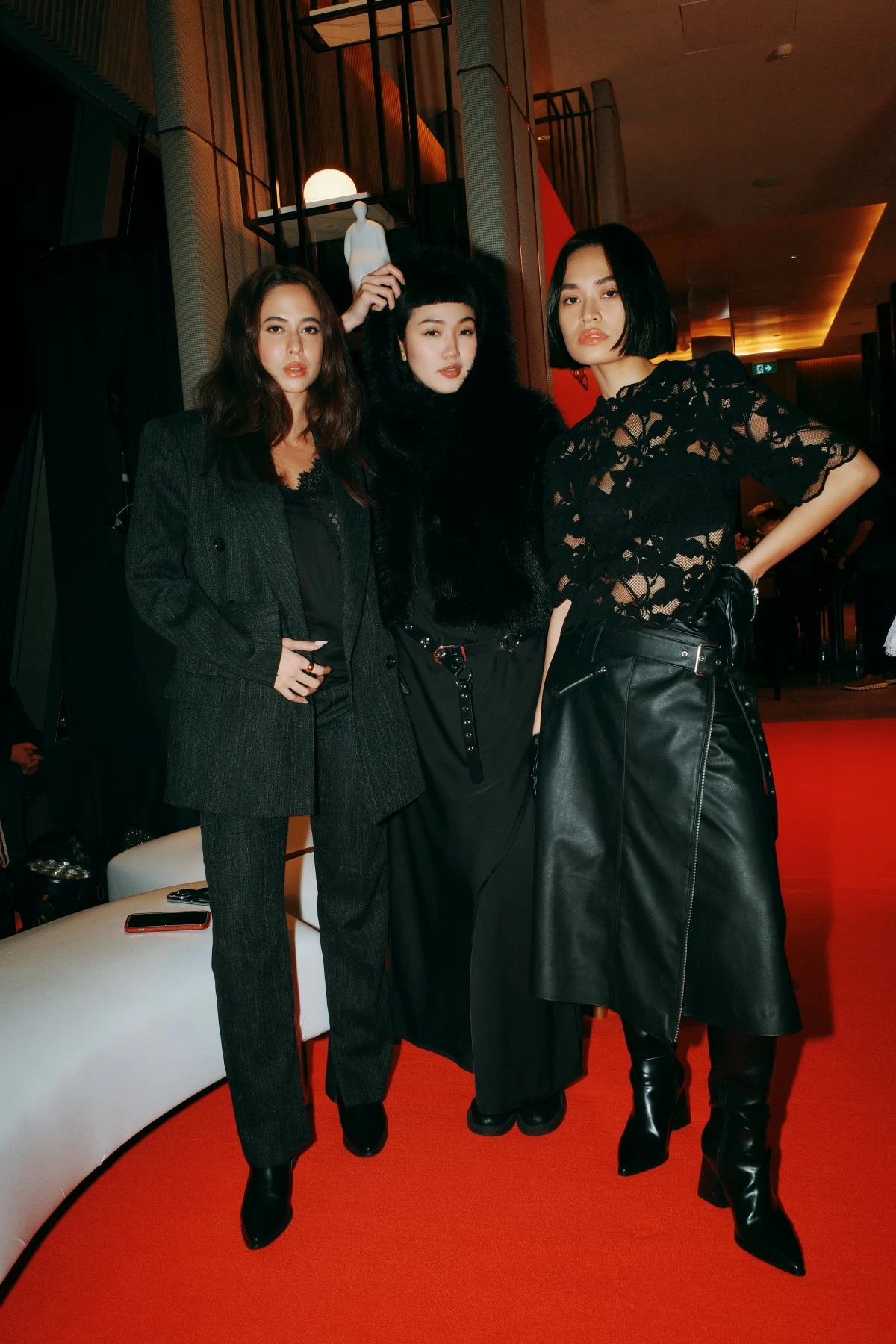
H&M's fall-winter 2025 collections launch in Manila
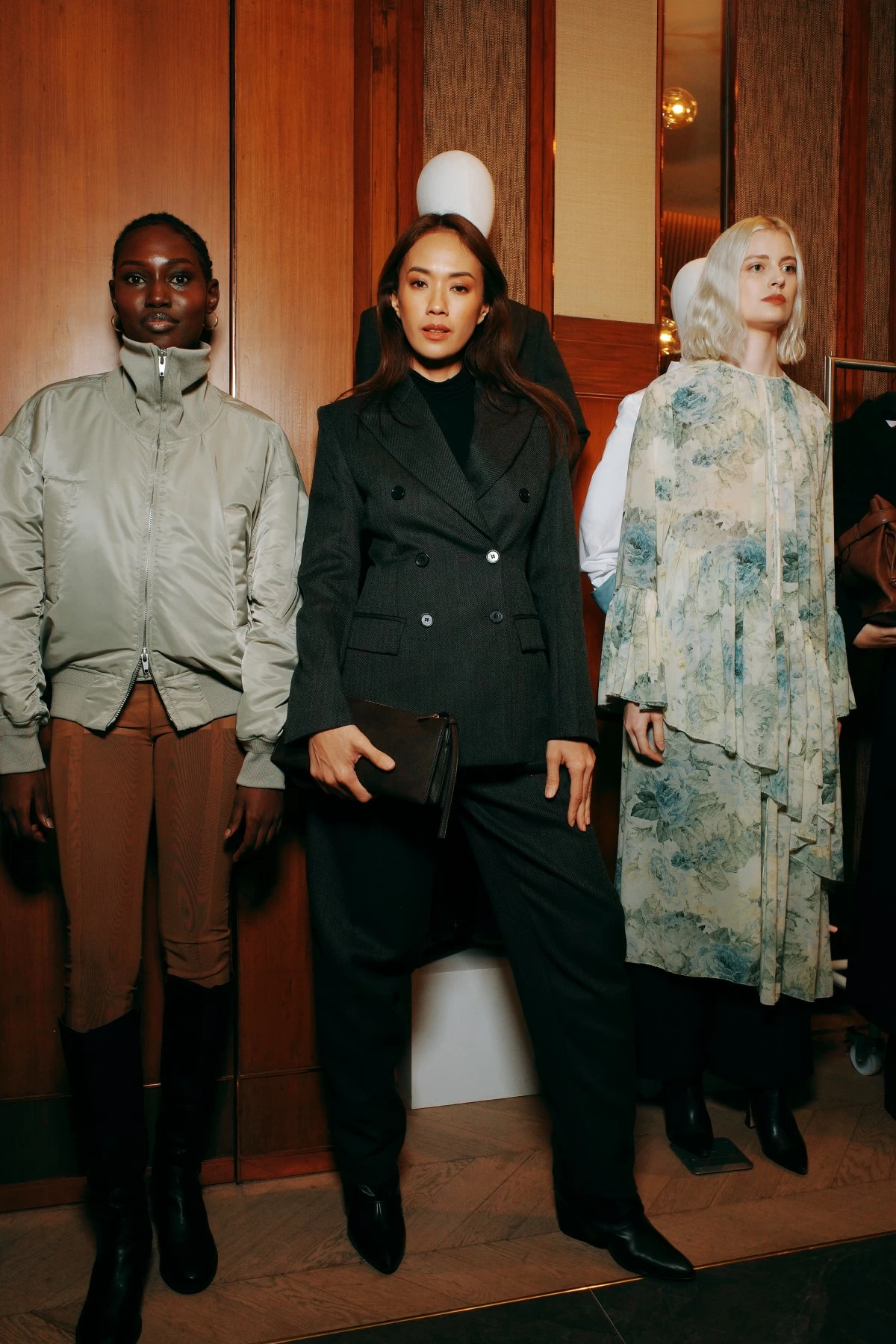
H&M's fall-winter 2025 collections launch in Manila
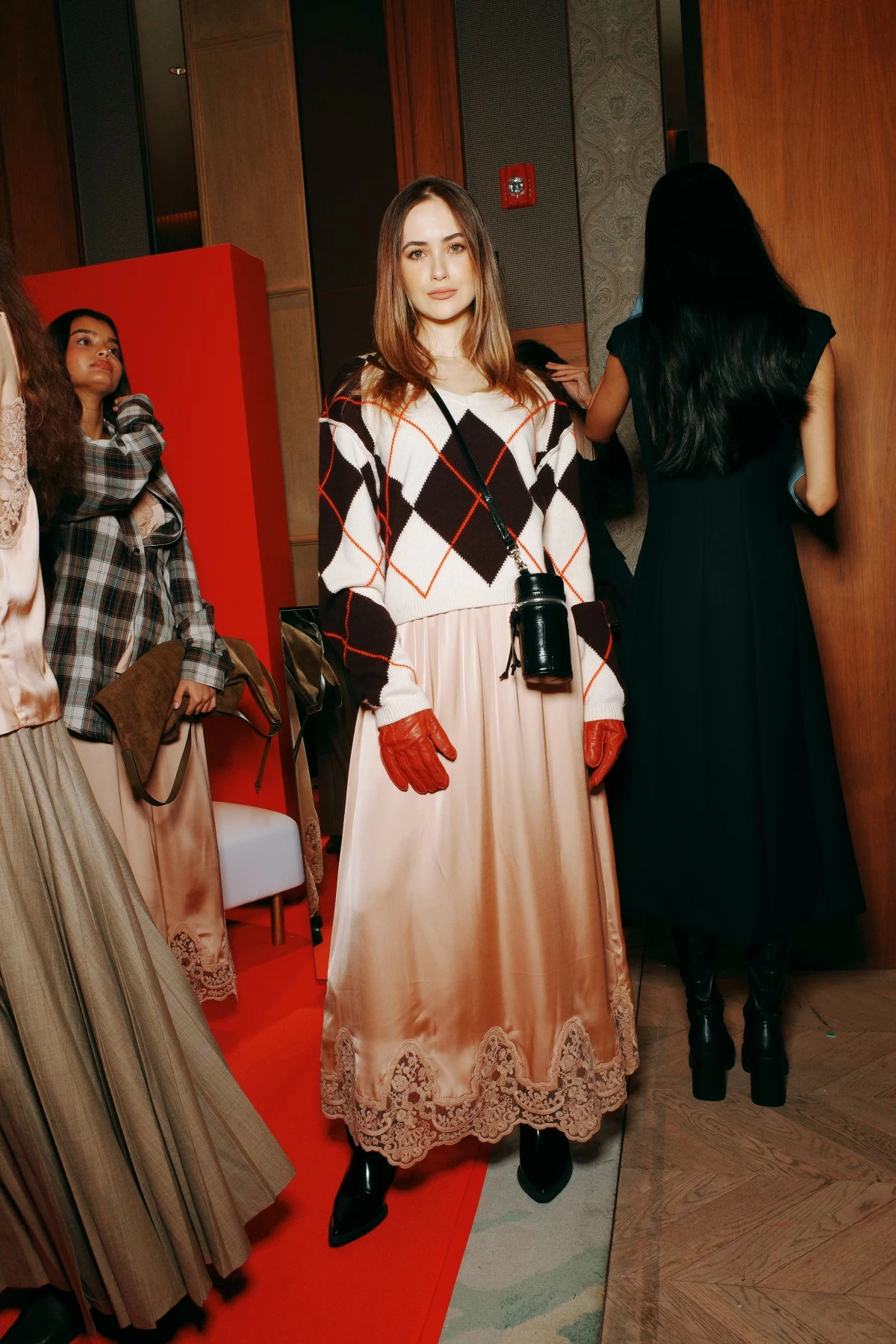
H&M's fall-winter 2025 collections launch in Manila
Sustainability has always been a big focus for the brand. How deeply is it embedded in the company’s culture and processes?
It is essential to mention how important sustainability is to H&M. I have been with the company for 20 years, and from the first day I joined, you could feel how deeply sustainability is rooted in the company and how it stands at the core of everything we do—whether it’s the design of our collections, production, store creation, or how we work with our colleagues. It’s not one thing; it’s a lot of things. We will continue to be a leading fashion brand in the industry—not just with our products but through our commitment to sustainability. We have our goals set for this year and the years to come.
What do you consider when it comes to collaborating with the region’s creative pool?
The region is quite big, with many different countries. We have a global assortment, which you’ll see today and in all our stores. But in Asia, we also have an Asia Hub, which creates fashion relevant to Greater China and East Asia. This collection is constantly updated. The interesting thing is that, as a global platform, we understand what people want, but we also add a layer of creating fashion that’s more relevant to particular areas—adjusting for size, fit, and style. When it comes to collaborations, that’s something we continue to explore and develop.
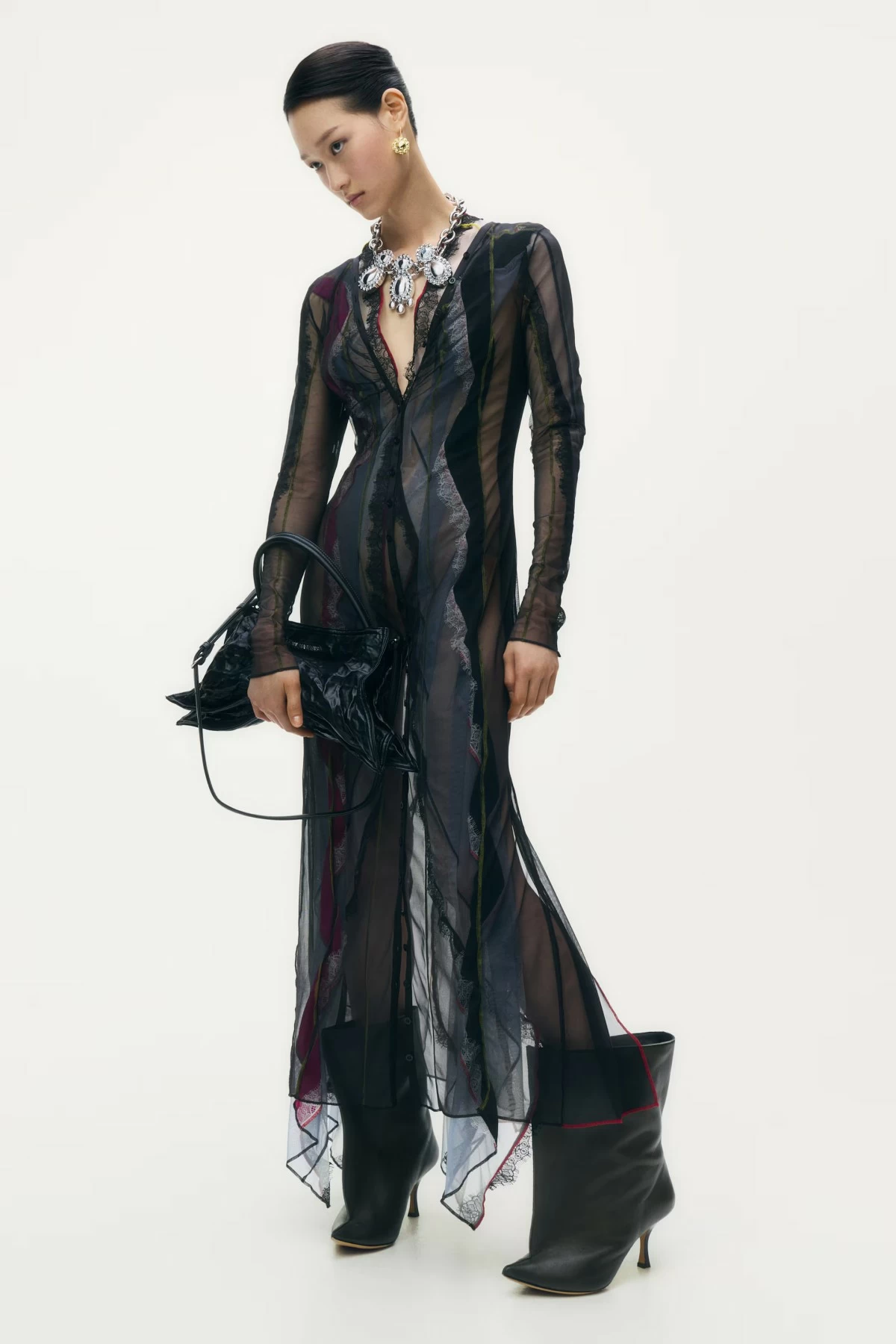
H&M x Glenn Martens

H&M x Glenn Martens

H&M x Glenn Martens
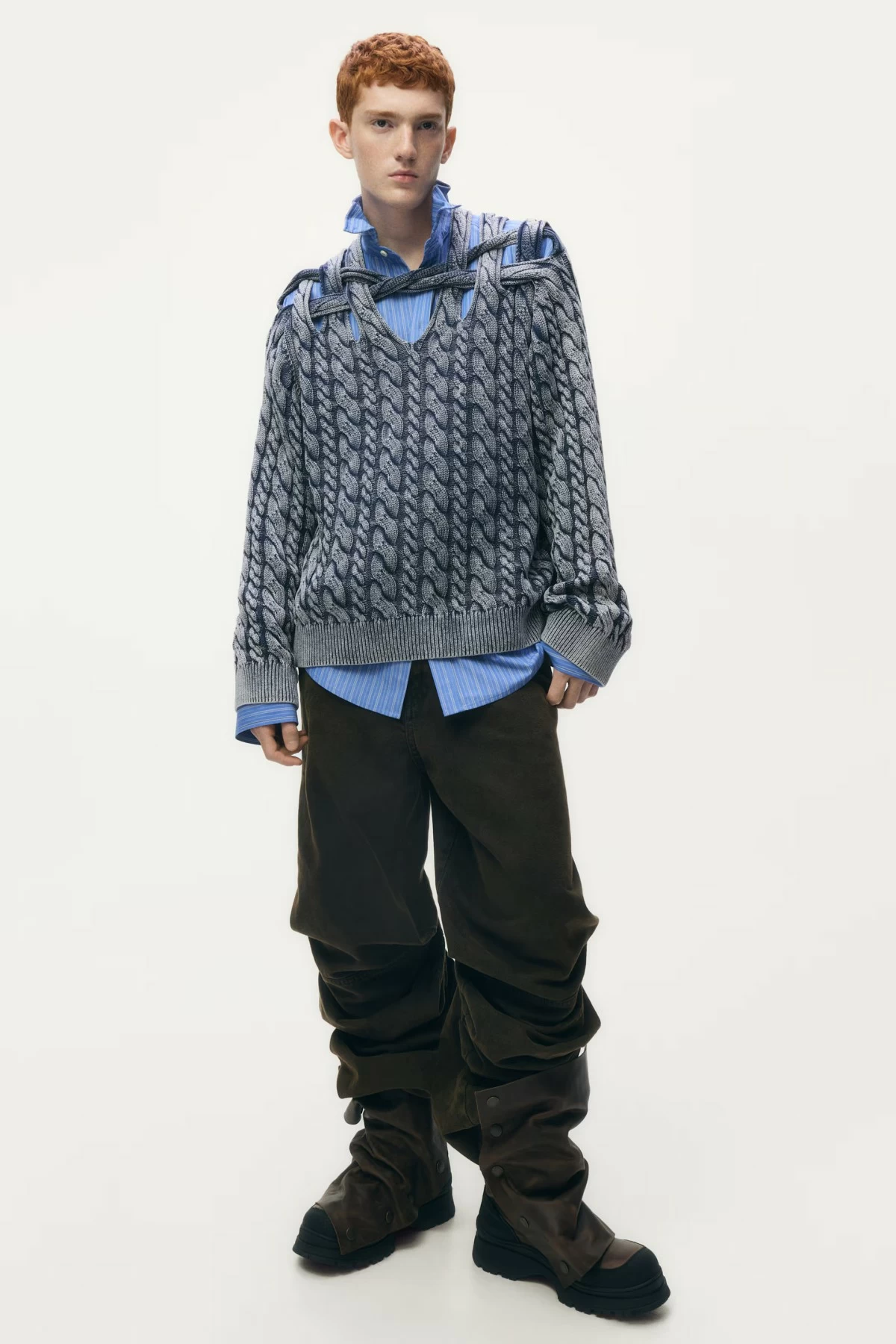
H&M x Glenn Martens
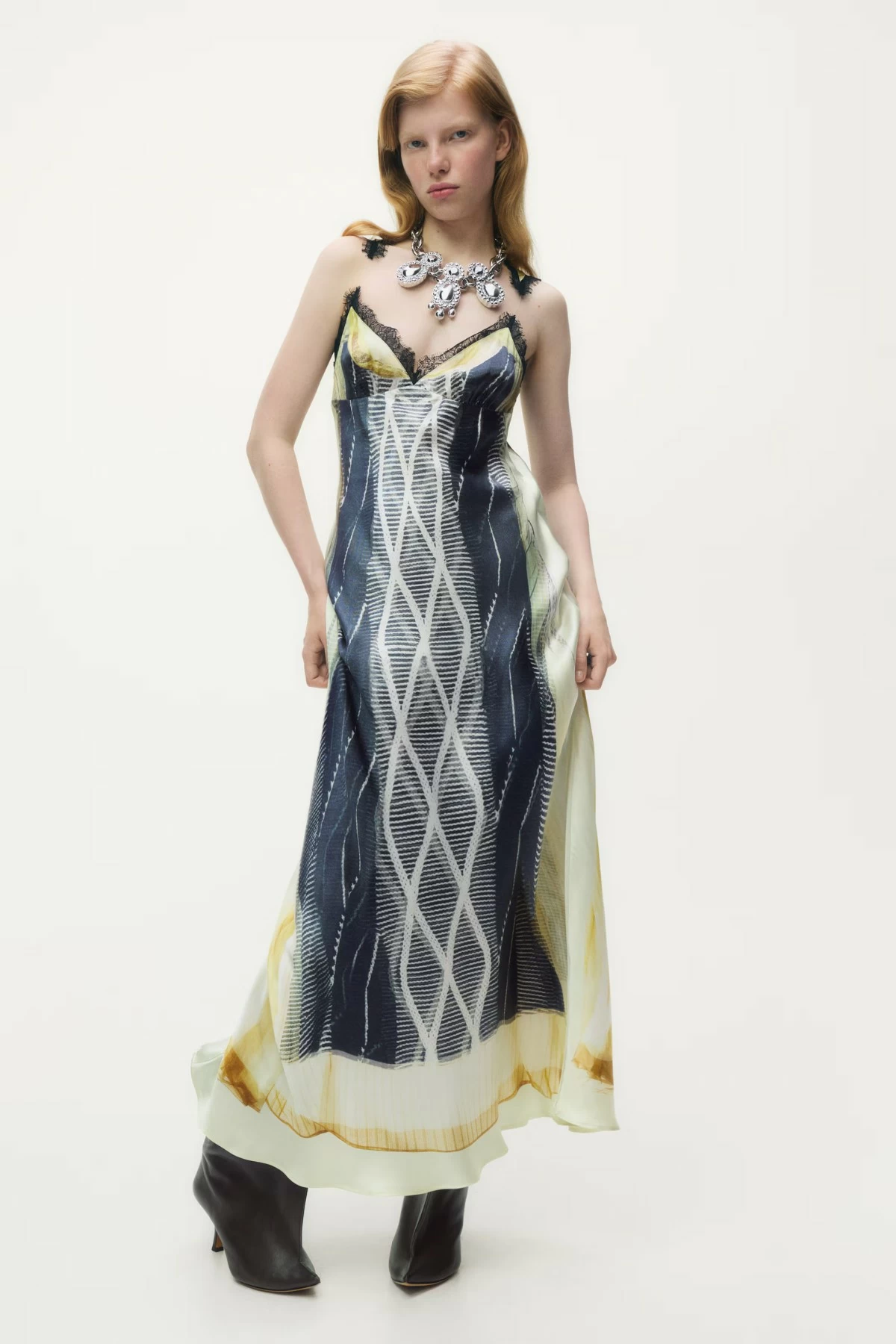
H&M x Glenn Martens

H&M x Glenn Martens
Many of us still cherish our pieces from past collaborations with Giambattista Valli, Mugler, and Simone Rocha, to name a few. Now, we have Glenn Martens. Why is it important for the brand to work with the big players of the fashion industry?
That’s what we do—it’s all about liberating fashion for many. We bring the highest level of fashion as close as possible to everyone around the world, from location and accessibility to price, quality, and sustainability. We’re here for everyone.