






 Philippines
National
Pangilinan: Rice import ban extension timely, renews call to restore 35% tariff
Philippines
National
Pangilinan: Rice import ban extension timely, renews call to restore 35% tariff
Pangilinan: Rice import ban extension timely, renews call to restore 35% tariff


At A Glance
- Senator Francis "Kiko" Pangilinan has welcomed the government's decision to extend the rice import ban until the end of the year, saying it is a timely move to protect local farmers amid rising fuel prices and global market volatility.
Senator Francis “Kiko” Pangilinan has welcomed the government’s decision to extend the rice import ban until the end of the year, saying it is a timely move to protect local farmers amid rising fuel prices and global market volatility.
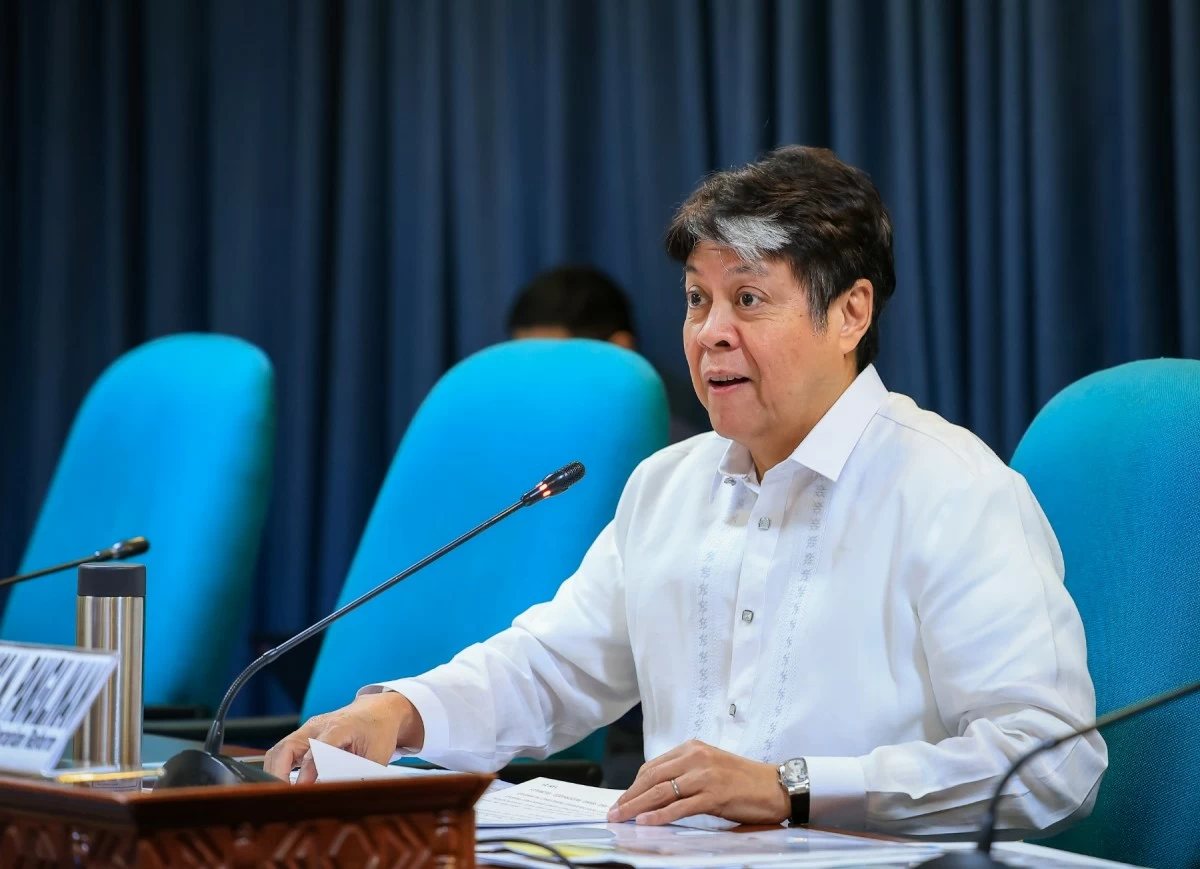
“Beyond supporting local farmers and stabilizing the market, the extension comes at a crucial time,” Pangilinan said.
“With fuel prices rising again, and fuel being a major component of farm production and transport costs, protecting farmers’ gains will require real-time, data-driven decisions,” he said.
The senator further said the Department of Agriculture’s (DA) planned Command Center, which is set to be operational this month, is key to making the rice sector more adaptive and responsive.
He said this Command Center will allow for dynamic adjustments in palay floor prices and procurement, smart and targeted subsidy delivery.
It will also provide efficient NFA (National Food Authority) buffer stock building, and data-backed price stabilization through rapid market interventions and transparent public information.
But at the same time, Pangilinan renewed his call for Malacañang to restore the tariff on imported rice to 35 percent from the current 15 percent to “empower local rice producers, restore government revenues, and ensure equitable benefits across the value chain.”
The senator noted that low tariffs benefit only the importers and traders, noting that the reduced rate under Executive Order No. 62 caused farmgate prices to drop to an average of ₱7.66 per kilo, far below the ₱13.51 cost of production.
“Raising the tariff back to 35 percent can recover up to ₱47 billion in lost revenues. These funds should go to helping our farmers through the Rice Competitiveness Enhancement Fund (RCEF),” he said.
Also, the tariff adjustment, along with Executive Orders 100 and 101—which strengthen the palay floor price and implement the Sagip Saka Act in government procurement—form a coherent policy package that will “reward Filipino farmers fairly, stabilize prices for consumers, and build resilience against future shocks.”
“In times of economic turbulence, food self-sufficiency is national security. The government, farmers, consumers, and the private sector must act together to protect those who feed us and ensure that every Filipino can afford to eat,” Pangilinan said.