ADVERTISEMENT

Built to the customer's needs

Toyota's new brand direction and slogan

Published Nov 7, 2025 09:56 am
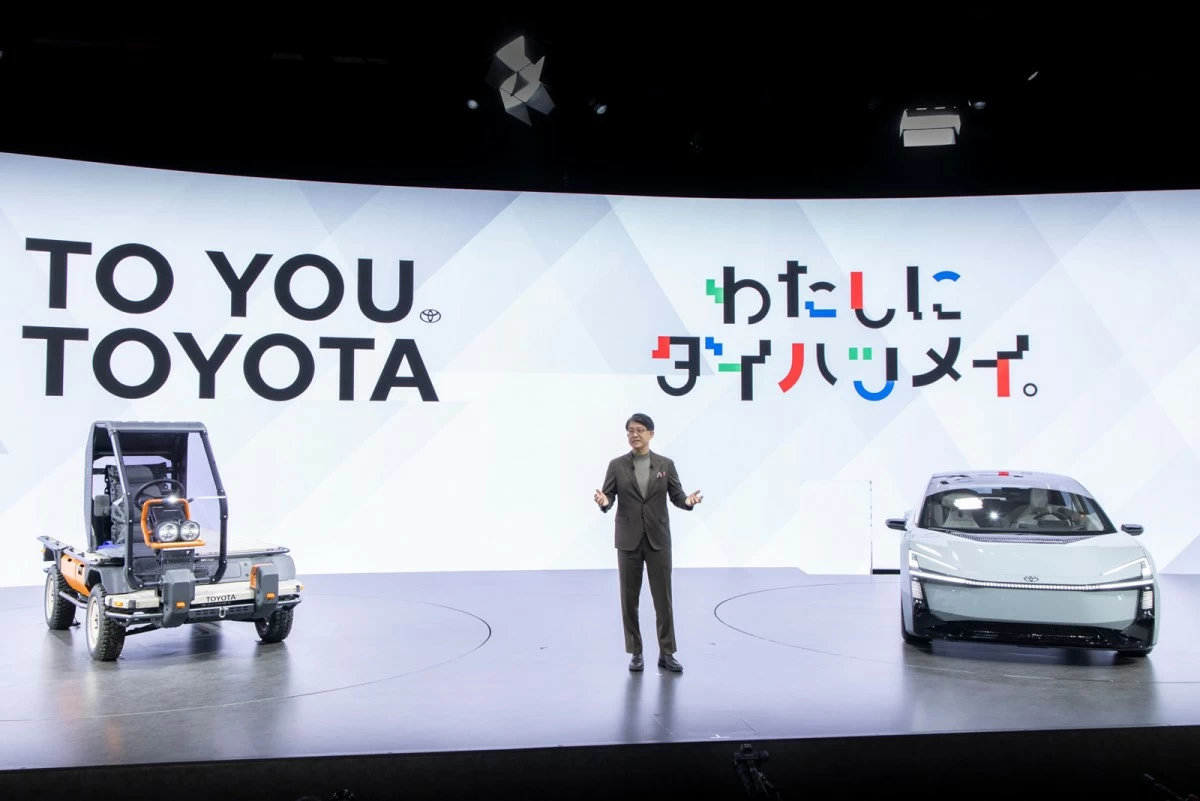
When Japan Mobility Show (JMS) 2025 opens its doors, among the first to present to the public was Toyota Motor Corporation. And being the first, the company certainly set the standard for what to expect. They did more than just unveil new models. They formally introduced what Chairman Akio Toyoda calls 'the New Toyota Group,' a redefined corporate family.
Already teased a few weeks before the Japan Mobility show, TMC Chairman, Akio Toyoda has been instrumental to the company’s re-think of how it serves its customers as well as how it perceives itself, resulting in quite a few surprises in the group’s organizational structure as well as its products.
To You, Toyota
For some years now, Toyota has been promoting its “Mobility for All” slogan. However, the company has quickly realized that there isn’t a single product that perfectly suits everyone in the same way. With its new “To You Toyota” slogan, the company can still continue to fulfil its longstanding mission of delivering “Mobility for All” but now into a more personal initiative that better suits each individual.
Corolla Concept
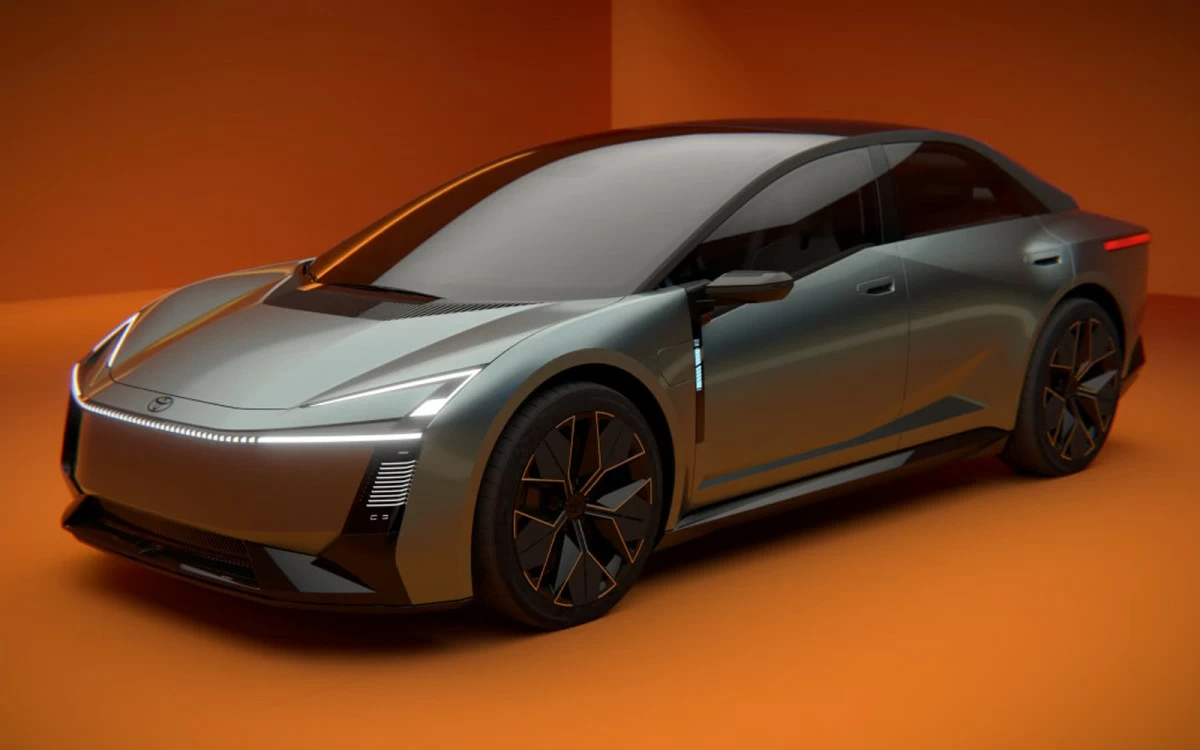
Key to delivering on these promises are two vehicles Toyota presented in at the mobility show. The first is the all new Corolla Concept. What better model to serve as Toyota’s herald into a new era than one already known the world over?
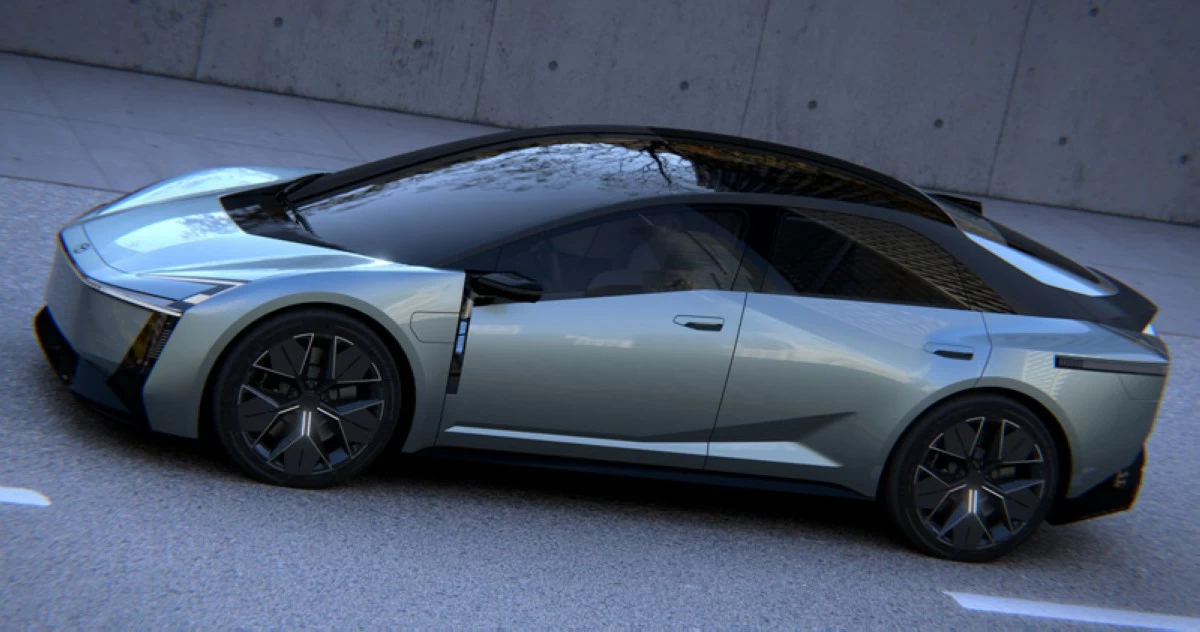
Though far from being the final production model, this concept is meant to show the direction Toyota hopes to take with global models such as this.
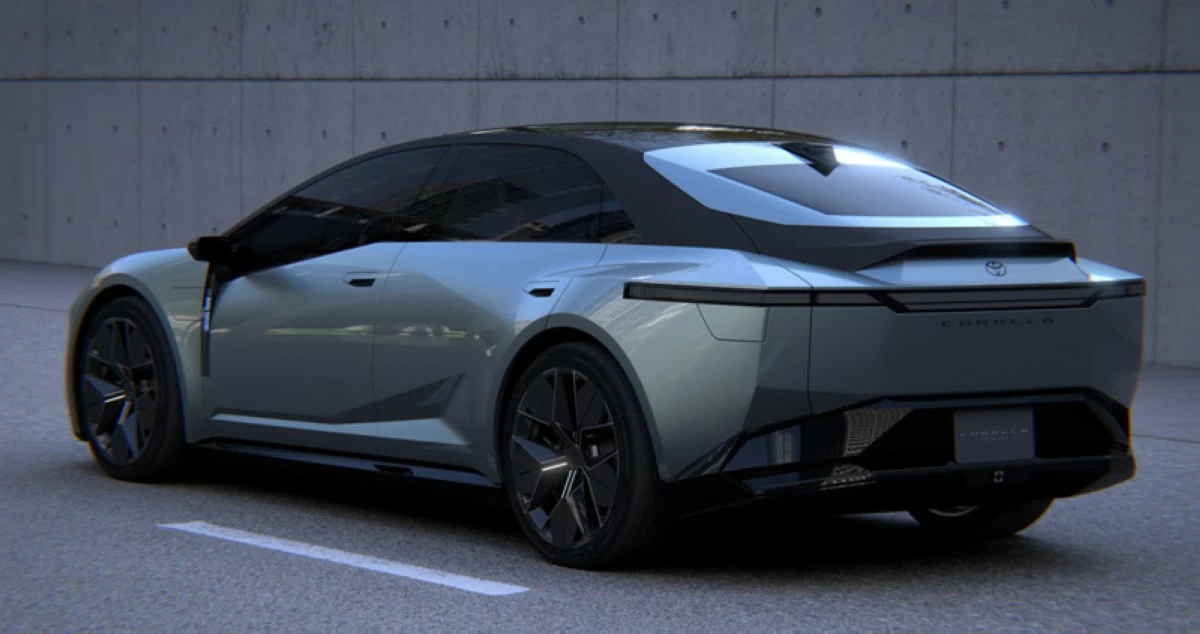
The concept features crisp lines, a more sculpted body, and a Cyberpunk-like design, which gives it an EV-like appearance. LED headlights feature the brand's now-familiar hammerhead-inspired design, with vertical lighting elements that are paired with a central light bar. It looks fast and muscular without the usual macho fender flairs. It also comes in a fastback-like form which could mean lots of cargo space as well.
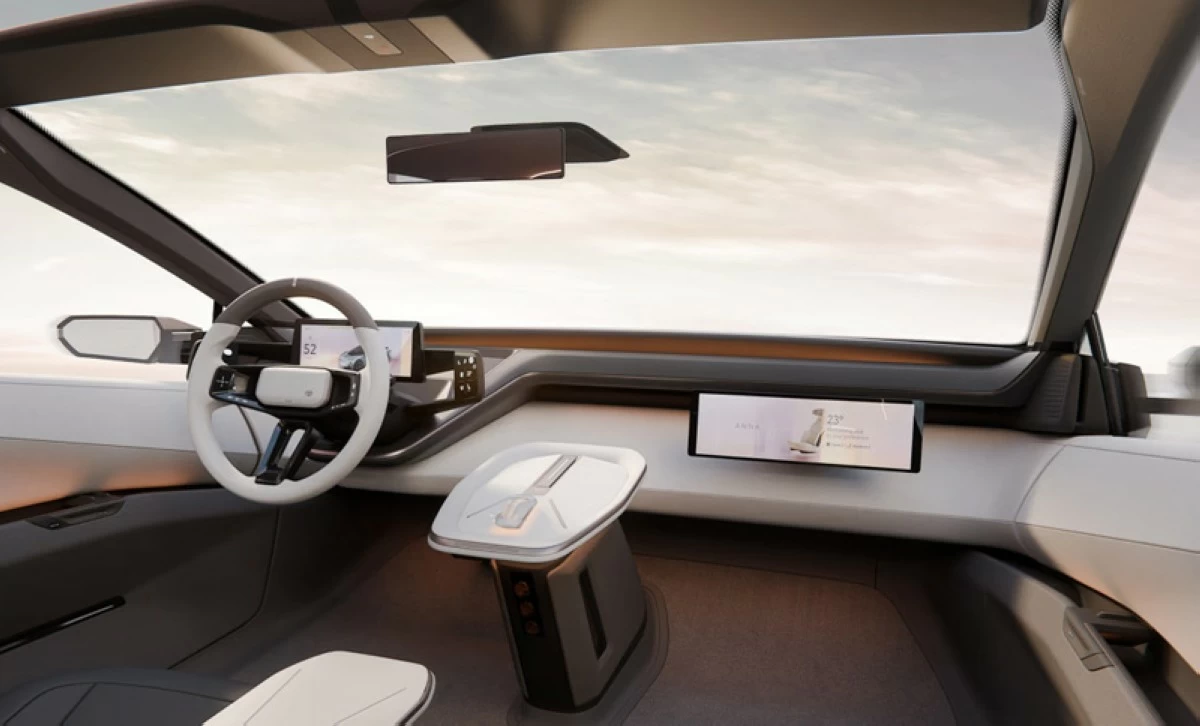
Some may guess that this will likely be an EV, yet here is where Toyota is subverting expectations. To truly be a global car, it will designed to be powered by a variety of powertrain options, from battery EV, plug-in hybrid, hybrid, or internal combustion engines. That means customers can still get a futuristic-looking car even if their country has yet to embrace EV technology.
IMV Origin Concept
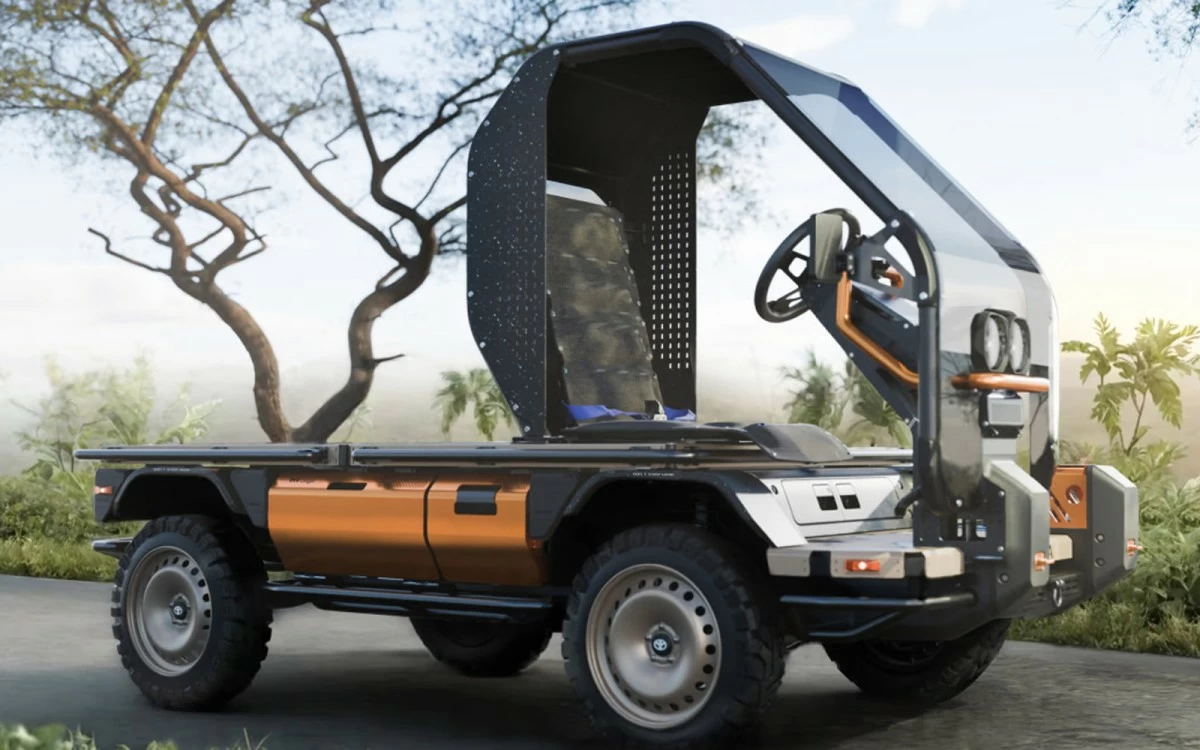
While the Corolla may serve the needs of as much as 80-90-percent of buyers, there’s still that 10-percent that have far different needs. For those people, there’s the IMV Origin.
Inspired by IKEA’s flat pack furniture and the ease at which it can be shipped anywhere around the world, the IMV Origin is designed to be a flat-packed car that can be shipped abroad just as easily.
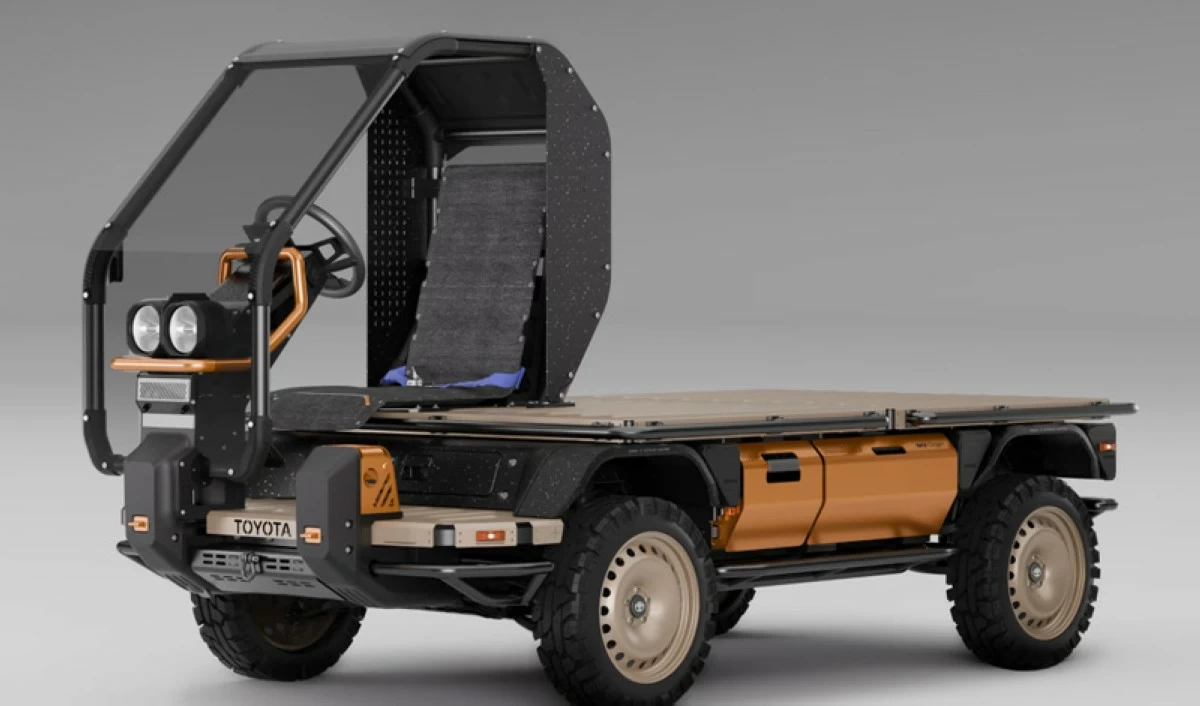
The vehicle is delivered in flat pack form but is already ready to run. The chassis is self-contained and houses all the things a vehicle needs like the suspension, drive unit, steel wheels, all-terrain tires and more. Recipients simply need to assemble the driving cab and instruments when it arrives. Around the cab is a flat area that can house anything from a drop-side bars, to even a complete box van, or passenger cabin. In essence, Toyota has left all this space empty so that the customer can simply complete the vehicle themselves, better tailored to their needs.
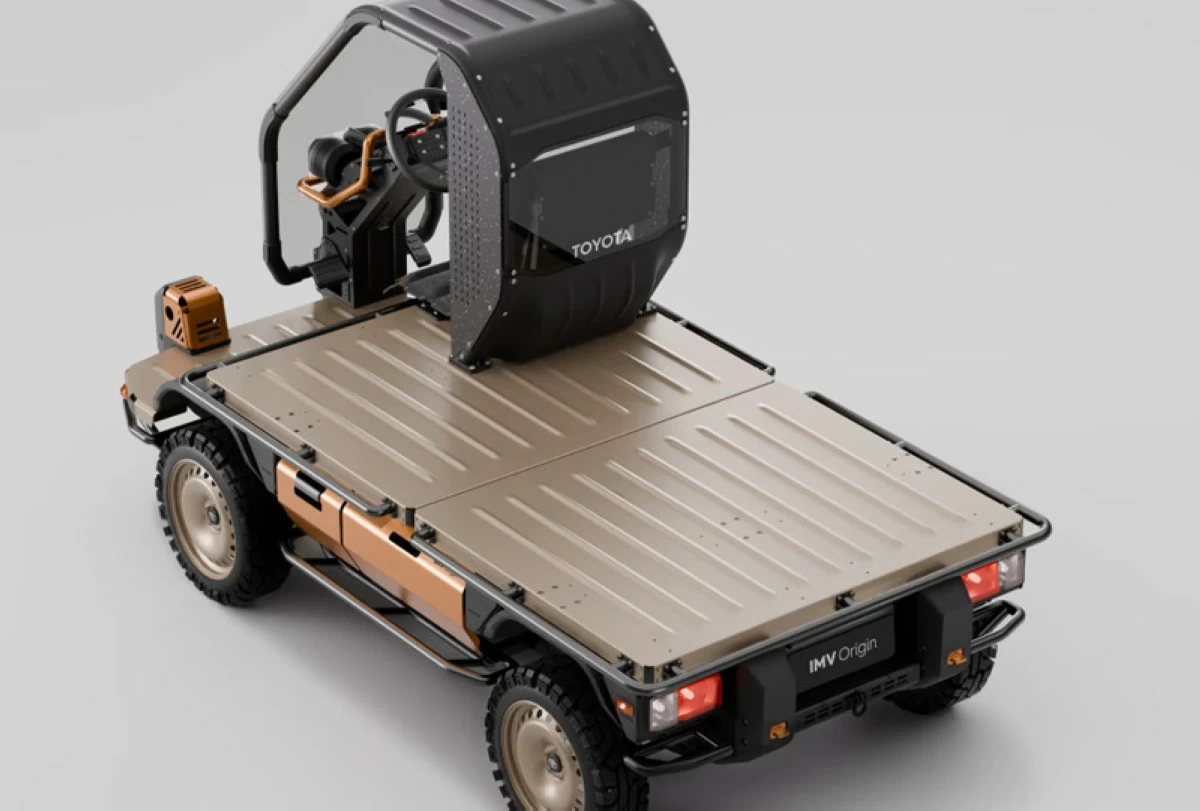
There are provisions to bolt directly to the frame of the vehicle, allowing end-users to pre-fabricated body structures to turn it into whatever vehicle they desire. The possibilities are endless, from a pickup truck, to a passenger vehicle, food truck, or even fire engine. It’s a car that’s 70-percent Toyota and 30-percent you.
This vehicle was designed particularly for impoverished areas where shipping and even setting up a proper dealership are impossible. Instead, the vehicle is simple shipped flat-packed, leaving the people in the area to assemble it themselves or for customers, giving them a source of livelihood.
This flexible vehicle is designed to run on a variety of powertrains, depending on where it will be shipped. It is a rugged and simplified 4x4 or 4x2 that could potentially transform the developing world.
These two concept cars are proof of the new way Toyota is thinking. It’s no longer dictating the way we should drive, but rather, listening and looking at how we drive and creating cars that will suit those needs.

Related Tags

TOYOTA Japan Mobility Show
ADVERTISEMENT
.most-popular .layout-ratio{ padding-bottom: 79.13%; } @media (min-width: 768px) and (max-width: 1024px) { .widget-title { font-size: 15px !important; } }

{{ articles_filter_1561_widget.title }}

.most-popular .layout-ratio{ padding-bottom: 79.13%; } @media (min-width: 768px) and (max-width: 1024px) { .widget-title { font-size: 15px !important; } }

{{ articles_filter_1562_widget.title }}

.most-popular .layout-ratio{ padding-bottom: 79.13%; } @media (min-width: 768px) and (max-width: 1024px) { .widget-title { font-size: 15px !important; } }

{{ articles_filter_1563_widget.title }}

{{ articles_filter_1564_widget.title }}

.mb-article-details { position: relative; } .mb-article-details .article-body-preview, .mb-article-details .article-body-summary{ font-size: 17px; line-height: 30px; font-family: "Libre Caslon Text", serif; color: #000; } .mb-article-details .article-body-preview iframe , .mb-article-details .article-body-summary iframe{ width: 100%; margin: auto; } .read-more-background { background: linear-gradient(180deg, color(display-p3 1.000 1.000 1.000 / 0) 13.75%, color(display-p3 1.000 1.000 1.000 / 0.8) 30.79%, color(display-p3 1.000 1.000 1.000) 72.5%); position: absolute; height: 200px; width: 100%; bottom: 0; display: flex; justify-content: center; align-items: center; padding: 0; } .read-more-background a{ color: #000; } .read-more-btn { padding: 17px 45px; font-family: Inter; font-weight: 700; font-size: 18px; line-height: 16px; text-align: center; vertical-align: middle; border: 1px solid black; background-color: white; } .hidden { display: none; }
function initializeAllSwipers() { // Get all hidden inputs with cms_article_id document.querySelectorAll('[id^="cms_article_id_"]').forEach(function (input) { const cmsArticleId = input.value; const articleSelector = '#article-' + cmsArticleId + ' .body_images'; const swiperElement = document.querySelector(articleSelector); if (swiperElement && !swiperElement.classList.contains('swiper-initialized')) { new Swiper(articleSelector, { loop: true, pagination: false, navigation: { nextEl: '#article-' + cmsArticleId + ' .swiper-button-next', prevEl: '#article-' + cmsArticleId + ' .swiper-button-prev', }, }); } }); } setTimeout(initializeAllSwipers, 3000); const intersectionObserver = new IntersectionObserver( (entries) => { entries.forEach((entry) => { if (entry.isIntersecting) { const newUrl = entry.target.getAttribute("data-url"); if (newUrl) { history.pushState(null, null, newUrl); let article = entry.target; // Extract metadata const author = article.querySelector('.author-section').textContent.replace('By', '').trim(); const section = article.querySelector('.section-info ').textContent.replace(' ', ' '); const title = article.querySelector('.article-title h1').textContent; // Parse URL for Chartbeat path format const parsedUrl = new URL(newUrl, window.location.origin); const cleanUrl = parsedUrl.host + parsedUrl.pathname; // Update Chartbeat configuration if (typeof window._sf_async_config !== 'undefined') { window._sf_async_config.path = cleanUrl; window._sf_async_config.sections = section; window._sf_async_config.authors = author; } // Track virtual page view with Chartbeat if (typeof pSUPERFLY !== 'undefined' && typeof pSUPERFLY.virtualPage === 'function') { try { pSUPERFLY.virtualPage({ path: cleanUrl, title: title, sections: section, authors: author }); } catch (error) { console.error('ping error', error); } } // Optional: Update document title if (title && title !== document.title) { document.title = title; } } } }); }, { threshold: 0.1 } ); function showArticleBody(button) { const article = button.closest("article"); const summary = article.querySelector(".article-body-summary"); const body = article.querySelector(".article-body-preview"); const readMoreSection = article.querySelector(".read-more-background"); // Hide summary and read-more section summary.style.display = "none"; readMoreSection.style.display = "none"; // Show the full article body body.classList.remove("hidden"); } document.addEventListener("DOMContentLoaded", () => { let loadCount = 0; // Track how many times articles are loaded const offset = [1, 2, 3, 4, 5, 6, 7, 8, 9, 10]; // Offset values const currentUrl = window.location.pathname.substring(1); let isLoading = false; // Prevent multiple calls if (!currentUrl) { console.log("Current URL is invalid."); return; } const sentinel = document.getElementById("load-more-sentinel"); if (!sentinel) { console.log("Sentinel element not found."); return; } function isSentinelVisible() { const rect = sentinel.getBoundingClientRect(); return ( rect.top < window.innerHeight && rect.bottom >= 0 ); } function onScroll() { if (isLoading) return; if (isSentinelVisible()) { if (loadCount >= offset.length) { console.log("Maximum load attempts reached."); window.removeEventListener("scroll", onScroll); return; } isLoading = true; const currentOffset = offset[loadCount]; window.loadMoreItems().then(() => { let article = document.querySelector('#widget_1690 > div:nth-last-of-type(2) article'); intersectionObserver.observe(article) loadCount++; }).catch(error => { console.error("Error loading more items:", error); }).finally(() => { isLoading = false; }); } } window.addEventListener("scroll", onScroll); });

Sign up by email to receive news.