






Manila Bulletin
 Spotlight Features
Taste the flavors of La Union with every scoop at this museum-inspired restaurant
Spotlight Features
Taste the flavors of La Union with every scoop at this museum-inspired restaurant
Spotlight Features
Taste the flavors of La Union with every scoop at this museum-inspired restaurant
Taste the flavors of La Union with every scoop at this museum-inspired restaurant
Published Nov 6, 2025 09:29 am


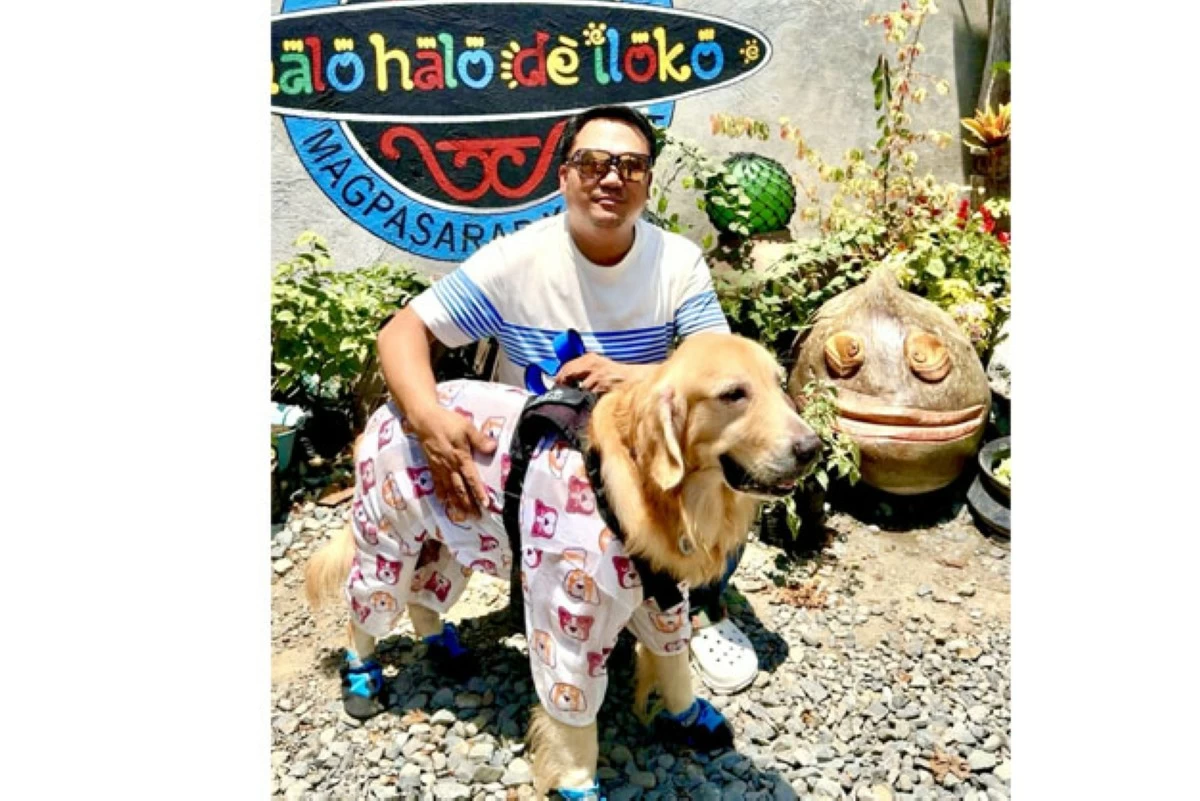
Chef Xave poses in front of his restaurant with his dog, a familiar face to regular customers of Halo-Halo de Iloko.
Aside from La Union’s famous surf spots and heartbreak-healing sunsets, there’s another compelling reason to visit the province. Tucked in Brgy. Biday, San Fernando City is Halo-Halo de Iloko, a restaurant that celebrates La Union’s diverse produce while supporting local farmers.
Humble beginnings
Behind this restaurant is Chef Xavier “Xave” Balangue Mercado, a Mass Communication graduate who never trained as a chef but saw food as a bridge between dreams and community. After college, he went to the United States not to work in kitchens, but to learn from them.
“I visited different states and talked to janitors, waiters, waitresses, and cooks. I was doing a feasibility study because I was planning to open a restaurant or refreshment parlor here in La Union,” he said.
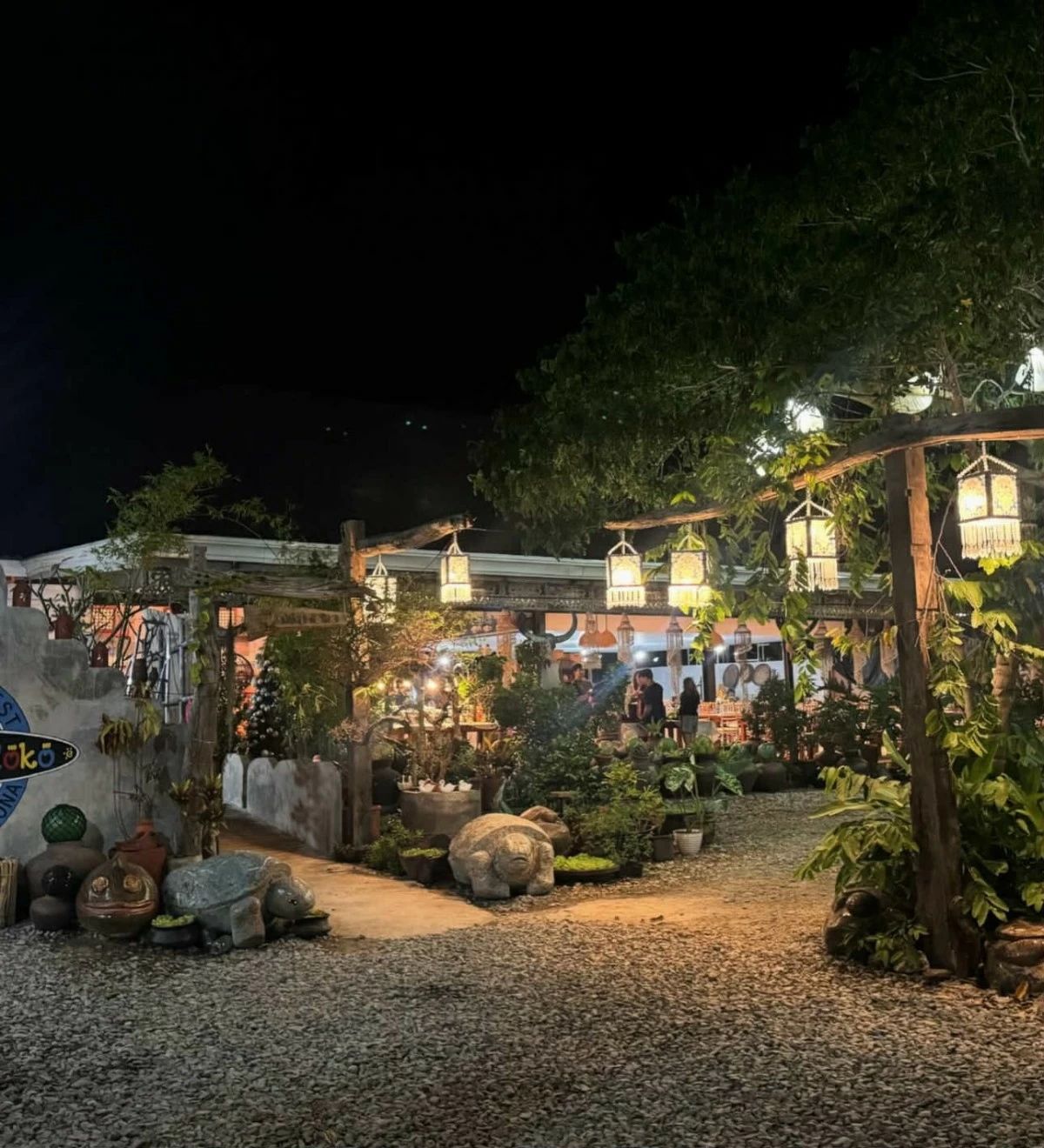
The warm, festive glow of Halo-Halo de Iloko’s exterior welcomes diners in San Fernando City, La Union. (Photos courtesy of Halo-Halo de Iloko)
However, his stay was cut short by the Sept. 11 attacks in 2001. The incident forced him to return to the Philippines earlier than expected. Back then, La Union was often dismissed as a quick stopover for gas or restroom breaks en route to Northern Luzon. He wanted to change that image.
As a halo-halo enthusiast, Chef Xave saw the dessert as the key, but not if he simply relied on traditional recipes. He traveled across the country, sampling versions from Sultan Kudarat, Cebu, and Davao, even in humble carinderias. Those journeys, he said, taught him that the secret wasn’t imitation but celebrating what La Union already had.
In 2004, with ₱25,000, a borrowed refrigerator, and 15 seats in a small garage, he opened Halo-Halo de Iloko, named after Museo de Iloko in Agoo town. Today, the once-humble eatery is an 80-seater restaurant beloved by locals, tourists, and celebrities alike.
La Union in every scoop
Chef Xave’s halo-halo features ingredients inspired by the One Town, One Product (OTOP) program from La Union’s 19 municipalities and one city.
Carabao’s milk comes from Rosario, honey from Bacnotan, saba bananas from local farmers, and ugoy-ugoy crackers from Fresco Bakery—the oldest in San Fernando. Ube and sweet potatoes are sourced from Balaoan, San Gabriel, Burgos, and Aringay, while corn comes from Tubao.
“Almost every ingredient we use is a product of La Union’s towns. It truly represents the province in every scoop,” Chef Xave said.
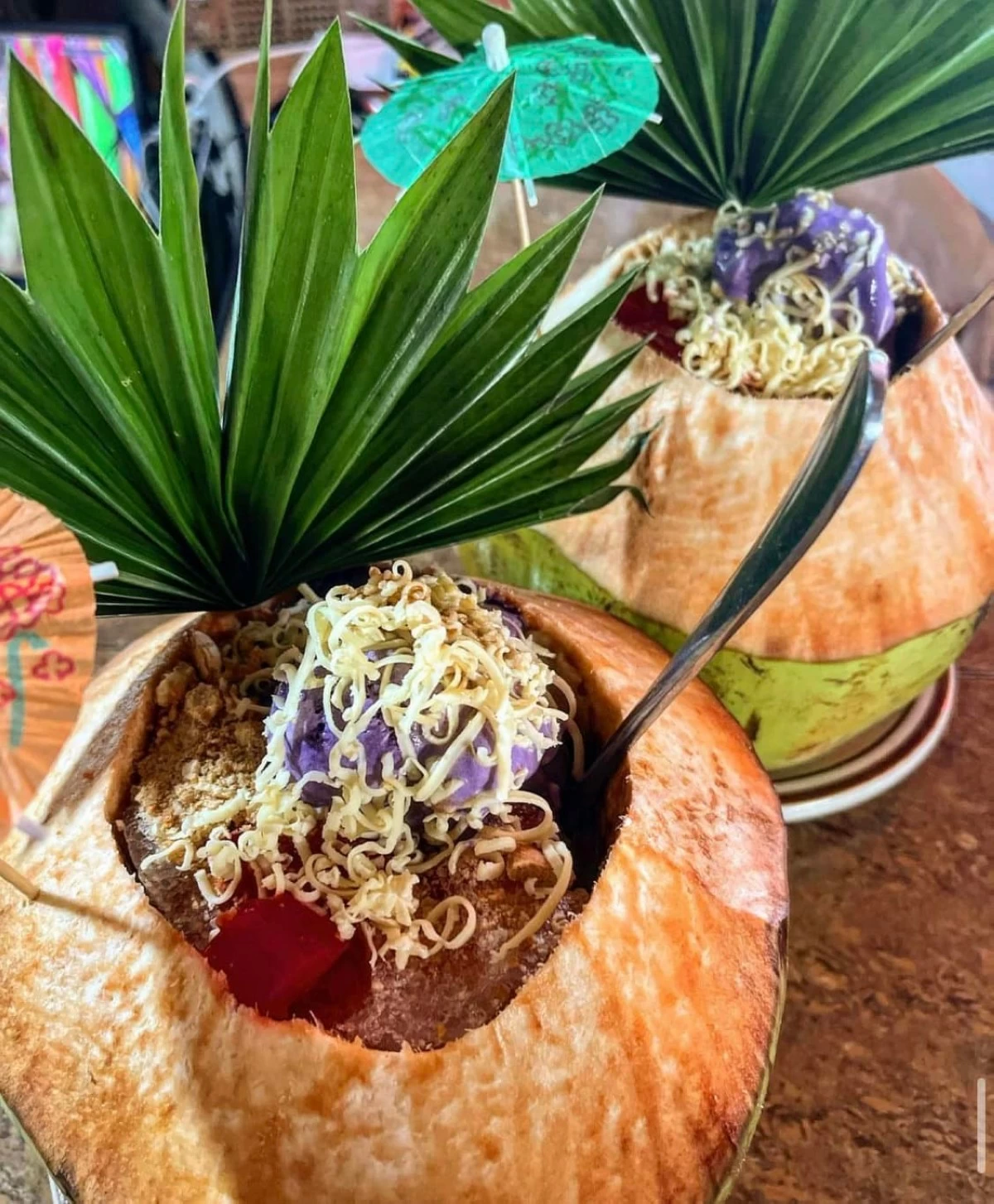
The Buko Halo-Halo of Halo-Halo de Iloko, served in a fresh coconut shell, is a refreshing twist on the classic Filipino dessert.
When asked what makes using hyperlocal ingredients special, Chef Xave said, “You can’t compare the freshness and quality of our local products. At the same time, they’re much cheaper than imported goods.”
His restaurant offers four versions of halo-halo: fiesta, buko, fried, and ginataang halo-halo.
The social enterprise mission
Chef Xave’s advocacy extends beyond the kitchen. He buys directly from farmers at market price, leases land for them to cultivate, and pledges to purchase their harvests. His outreach also supports micro, small, and medium enterprises (MSMEs) by selling their products in the restaurant and incorporating them into his dishes.
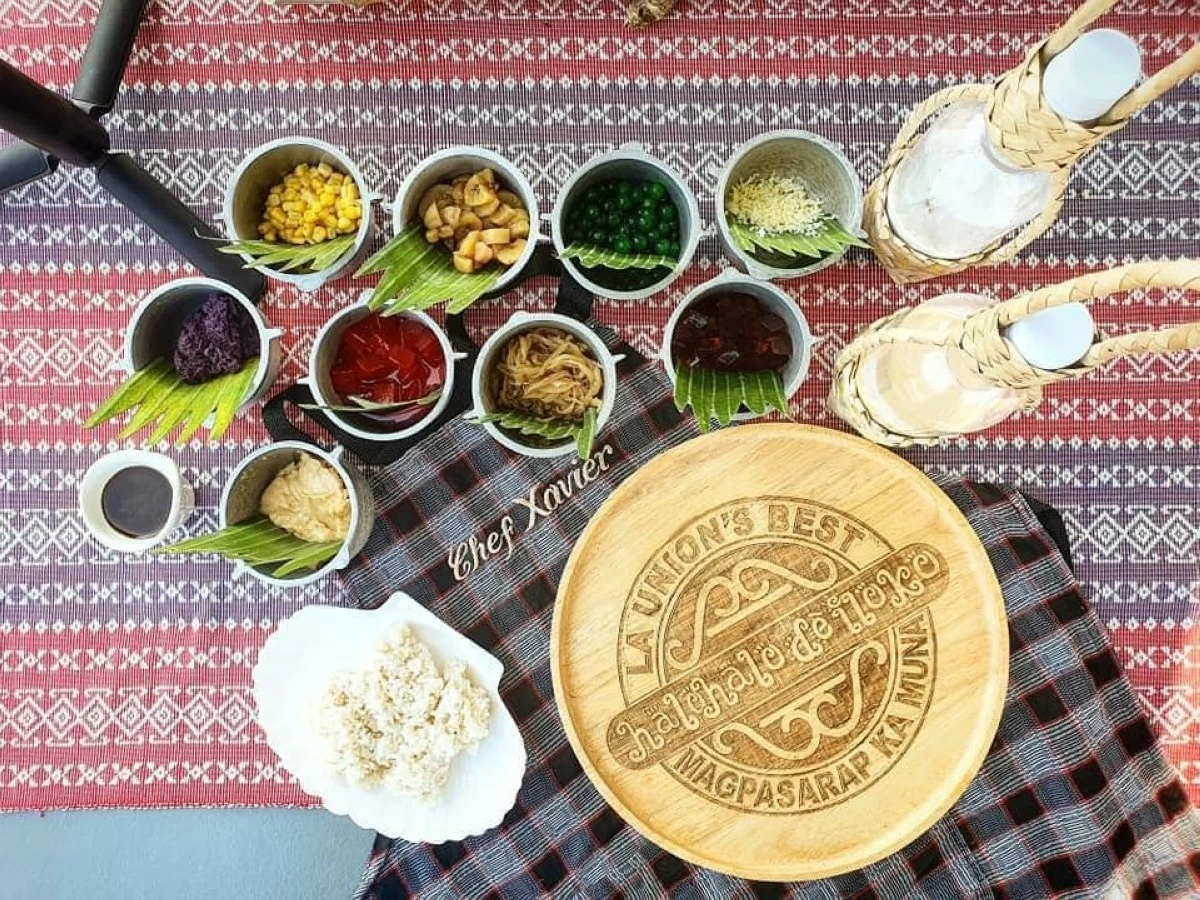
Local ingredients from La Union make up the signature Halo-Halo de Iloko created by Chef Xave.
Each halo-halo sold also helps feed others: ₱1 from every serving funds a community feeding program in partnership with the Department of Social Welfare and Development (DSWD), which treats indigent families to free meals.
Inclusivity also drives his partnerships. In 2017, Halo-Halo de Iloko sourced vegetables from persons deprived of liberty (PDLs) through the Bureau of Jail Management and Penology (BJMP), giving them livelihood and rehabilitation opportunities. Beyond halo-halo, Chef Xave now serves reimagined Ilocano and Filipino classics such as pinakbet, sinaglaw, and sinampalukang buknok.
Employee empowerment
For Chef Xave, a restaurant thrives when its people do. He treats employees as partners, encouraging them to run small ventures alongside their jobs, like selling peanuts, dishwashing liquid, or clothes in the restaurant.
“I want them to feel like entrepreneurs too,” he said.
He also partners with TESDA to help staff earn NC II certifications, ensuring both personal growth and job security. Many have stayed with him for years, including senior citizens who remain active in the restaurant.
‘Chasing waterfalls’ chef
Chef Xave’s culinary advocacy also takes him outdoors. Through a project called makyan—an Ilocano word meaning “come” or “food”—he travels to towns without signature dishes, cooking beside waterfalls using local ingredients, and donating the recipes to the communities.
In Dumalneg, Ilocos Norte, he created a crawfish-and-taro dish, while in Sigay, Ilocos, he crafted the Aw-asen dish, a fusion of coffee, beans, and pork now part of the town’s identity. The Department of Tourism even passed a resolution supporting the initiative so visitors could try these dishes on-site.
‘Focus on what’s available’
Asked what advice he has for fellow chefs, Xave emphasized looking inward. “Focus on what’s available around you—especially local produce,” he said.
For him, cooking with local ingredients is more than a business choice—it’s a form of partnership. “When you buy from farmers and fisherfolk, you’re not just helping your restaurant; you’re helping the people behind your ingredients,” he said.
“Once you treat them as partners, they become more inspired and self-reliant. That’s what makes every dish meaningful.”