






Manila Bulletin
 Philippines
National
Raffy Tulfo to push hazard pay, regular posts for MMDA enforcers and sweepers
Philippines
National
Raffy Tulfo to push hazard pay, regular posts for MMDA enforcers and sweepers
Philippines
National
Raffy Tulfo to push hazard pay, regular posts for MMDA enforcers and sweepers
Raffy Tulfo to push hazard pay, regular posts for MMDA enforcers and sweepers
By Dhel Nazario
Published Nov 6, 2025 02:42 pm


At A Glance
- Senator Raffy Tulfo vowed to amend the Hazard Pay Law to include Metropolitan Manila Development Authority (MMDA) traffic enforcers and street sweepers, citing their daily exposure to heat, pollution, and health risks while performing their duties on the ground.
Senator Raffy Tulfo has vowed to amend the Hazard Pay Law to include Metropolitan Manila Development Authority (MMDA) traffic enforcers and street sweepers, citing their daily exposure to heat, pollution, and health risks while performing their duties on the ground.
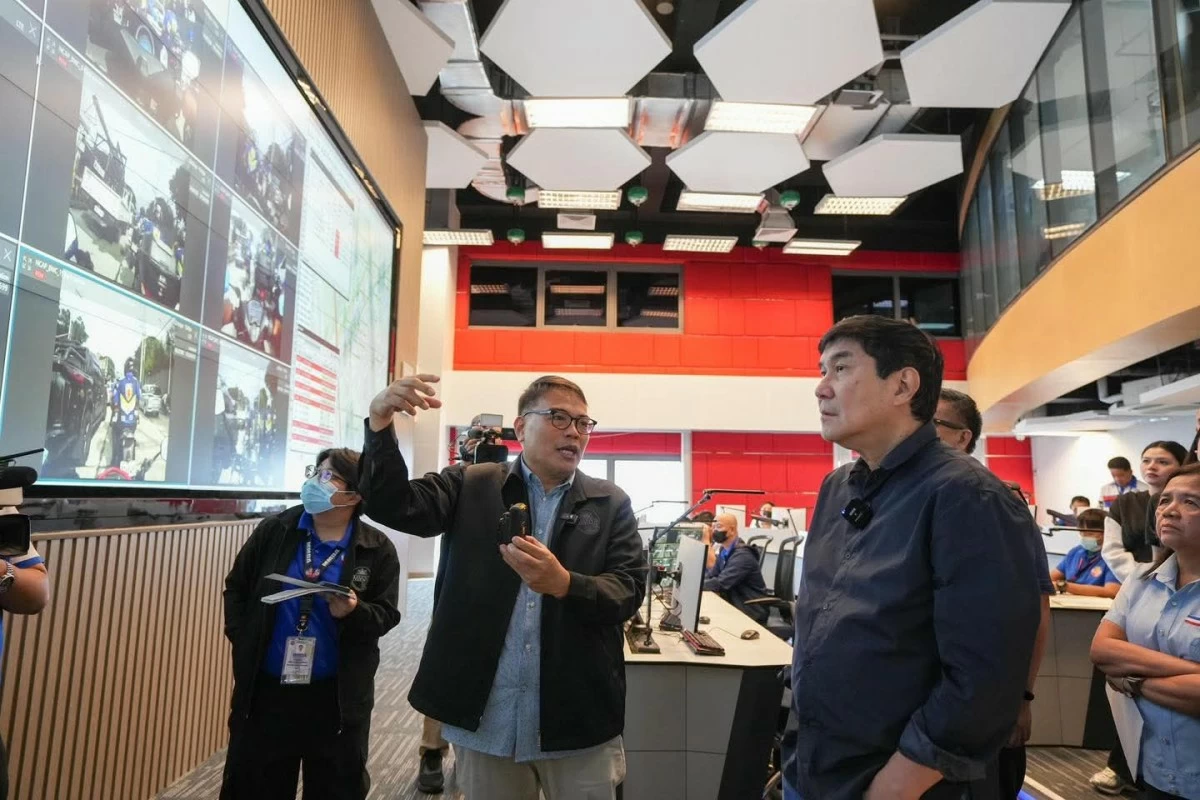
Senator Raffy Tulfo visits the Metropolitan Manila Development Authority (MMDA) Communications and Command Center on Wednesday, November 5, in Pasig City, which monitors the traffic in major thoroughfares of Metro Manila.
During his visit to the MMDA Communications and Command Center in Pasig City on November 5, Tulfo, who chairs the Senate Committee on Public Services, discussed with MMDA Chairman Romando Artes the need to extend hazard pay benefits to the agency’s field personnel who are not currently covered by the law.
Tulfo also learned that many MMDA enforcers and sweepers remain job order and casual employees despite serving for long years due to the agency’s lack of plantilla positions. The senator committed to fighting for a higher MMDA budget during the upcoming Senate budget deliberations to help open regular positions for these workers.
Aside from labor concerns, Tulfo commended the MMDA’s use of body-worn cameras (BWCs) that automatically record once released from their docking stations and cannot be turned off until redocked — a system that ensures transparency in enforcement operations.
Artes explained that these BWCs, which cost around ₱68,000 per unit or about ₱300,000 with backend monitoring and a two-year SIM subscription, are used to document on-the-ground operations and prevent “kotong” and other corrupt practices.
In order to further demonstrate to Tulfo how their BWCs work, Swift Traffic Action Group (STAG) Head Edison Nebrija instructed enforcers on duty through a two-way radio to execute an on-the-spot anti-illegal parking operation in 20th Avenue, Quezon City. In the said live feed, Tulfo said it can be noticed that sounds from the location of the enforcers may be heard, especially conversations between them and the violators – a crucial thing that strengthens evidence against those being apprehended.
Artes shared that whenever such apprehensions are levied, enforcers nowadays usually issue only notices of violation, which are then subject to review in the Command Center. From there, digital tickets are issued, which can be paid through online payment platforms or accredited bayad centers to lessen “kotongs” and other corrupt practices.
Artes said that these measures ensure transparency, most especially that their BWCs automatically record the moment it is released from their docking station and cannot be switched off until they are redocked