ADVERTISEMENT

Philippines to raise rice import tariff up to 25% starting January

Published Nov 6, 2025 05:09 pm
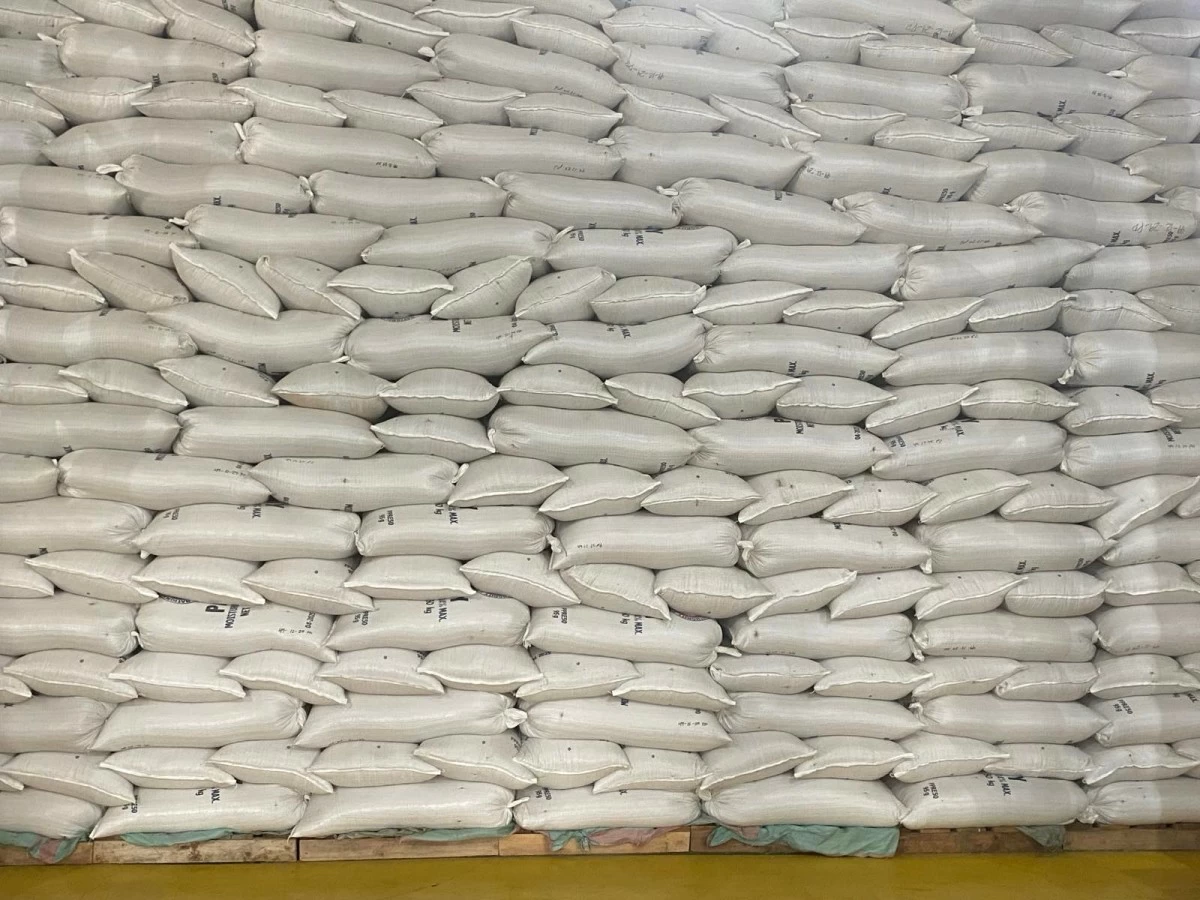
(Dexter Barro II/MANILA BULLETIN)
The government will raise the current tariff rate on imported rice, set at 15 percent, starting in January to coincide with the lifting of the suspension on foreign rice purchases.
Agriculture Secretary Francisco Tiu Laurel said the government would adjust upward the rice tariffs to 20 percent or 25 percent, based on the policy earlier approved by the Economy and Development (ED) Council.
The ED Council, chaired by President Marcos, approved the implementation of a more gradual and flexible tariff adjustment on rice imports.
Starting Jan. 1 of next year, the government will adjust the tariffs by five percentage points per five percent change in international prices of palay or unmilled rice.
This is subject to a minimum rate of 15 percent and a maximum rate of 35 percent.
Tiu Laurel, a member of the ED Council, said higher tariffs would be imposed on rice imports if global prices are low, while lower tariffs if global prices are on the pricier side.
He said the increase from the 15-percent rate would ensure stability in farmgate prices of palay.
The current tariff rate has been cited as the main driver behind the decline in palay prices in recent months, as it facilitated the entry of cheaper rice imports that, in turn, eroded the competitiveness of local farmers.
Initially, the government turned to the suspension of imports in an effort to boost farmgate prices, which reportedly fell to as low as ₱6 per kilo. In contrast, the cost in producing palay is around ₱12 to ₱14 per kilo.
The suspension was in place for two months but has since been extended until the end of the year, as preliminary findings of higher prices tapered off just as quickly as they were reported.
Based on data from the Bureau of Plant Industry (BPI), 3.29 million metric tons (MT) of rice shipments have entered the country as of Oct. 30.
The ED Council also approved to maintain the 15-percent tariff rate, for both in-quota and out-quota imports, until Dec. 31.
The following day, the government is expected to lift the import ban, allowing the entry of foreign shipments for the entire month of January.
Tiu Laurel said a one-month window for rice imports will help the government have enough buffer stock before the dry season harvest.
The secretary earlier told lawmakers in the House of Representatives that the suspension would be reimposed from February to April, in time for the harvest.
He said the government has set an internal deadline of Dec. 15 for the issuance of the policy outlining the new tariff rate beginning Jan. 1.
“One thing is for sure it will not be 15 percent,” he said.
ADVERTISEMENT
.most-popular .layout-ratio{ padding-bottom: 79.13%; } @media (min-width: 768px) and (max-width: 1024px) { .widget-title { font-size: 15px !important; } }

{{ articles_filter_1561_widget.title }}

.most-popular .layout-ratio{ padding-bottom: 79.13%; } @media (min-width: 768px) and (max-width: 1024px) { .widget-title { font-size: 15px !important; } }

{{ articles_filter_1562_widget.title }}

.most-popular .layout-ratio{ padding-bottom: 79.13%; } @media (min-width: 768px) and (max-width: 1024px) { .widget-title { font-size: 15px !important; } }

{{ articles_filter_1563_widget.title }}

{{ articles_filter_1564_widget.title }}

.mb-article-details { position: relative; } .mb-article-details .article-body-preview, .mb-article-details .article-body-summary{ font-size: 17px; line-height: 30px; font-family: "Libre Caslon Text", serif; color: #000; } .mb-article-details .article-body-preview iframe , .mb-article-details .article-body-summary iframe{ width: 100%; margin: auto; } .read-more-background { background: linear-gradient(180deg, color(display-p3 1.000 1.000 1.000 / 0) 13.75%, color(display-p3 1.000 1.000 1.000 / 0.8) 30.79%, color(display-p3 1.000 1.000 1.000) 72.5%); position: absolute; height: 200px; width: 100%; bottom: 0; display: flex; justify-content: center; align-items: center; padding: 0; } .read-more-background a{ color: #000; } .read-more-btn { padding: 17px 45px; font-family: Inter; font-weight: 700; font-size: 18px; line-height: 16px; text-align: center; vertical-align: middle; border: 1px solid black; background-color: white; } .hidden { display: none; }
function initializeAllSwipers() { // Get all hidden inputs with cms_article_id document.querySelectorAll('[id^="cms_article_id_"]').forEach(function (input) { const cmsArticleId = input.value; const articleSelector = '#article-' + cmsArticleId + ' .body_images'; const swiperElement = document.querySelector(articleSelector); if (swiperElement && !swiperElement.classList.contains('swiper-initialized')) { new Swiper(articleSelector, { loop: true, pagination: false, navigation: { nextEl: '#article-' + cmsArticleId + ' .swiper-button-next', prevEl: '#article-' + cmsArticleId + ' .swiper-button-prev', }, }); } }); } setTimeout(initializeAllSwipers, 3000); const intersectionObserver = new IntersectionObserver( (entries) => { entries.forEach((entry) => { if (entry.isIntersecting) { const newUrl = entry.target.getAttribute("data-url"); if (newUrl) { history.pushState(null, null, newUrl); let article = entry.target; // Extract metadata const author = article.querySelector('.author-section').textContent.replace('By', '').trim(); const section = article.querySelector('.section-info ').textContent.replace(' ', ' '); const title = article.querySelector('.article-title h1').textContent; // Parse URL for Chartbeat path format const parsedUrl = new URL(newUrl, window.location.origin); const cleanUrl = parsedUrl.host + parsedUrl.pathname; // Update Chartbeat configuration if (typeof window._sf_async_config !== 'undefined') { window._sf_async_config.path = cleanUrl; window._sf_async_config.sections = section; window._sf_async_config.authors = author; } // Track virtual page view with Chartbeat if (typeof pSUPERFLY !== 'undefined' && typeof pSUPERFLY.virtualPage === 'function') { try { pSUPERFLY.virtualPage({ path: cleanUrl, title: title, sections: section, authors: author }); } catch (error) { console.error('ping error', error); } } // Optional: Update document title if (title && title !== document.title) { document.title = title; } } } }); }, { threshold: 0.1 } ); function showArticleBody(button) { const article = button.closest("article"); const summary = article.querySelector(".article-body-summary"); const body = article.querySelector(".article-body-preview"); const readMoreSection = article.querySelector(".read-more-background"); // Hide summary and read-more section summary.style.display = "none"; readMoreSection.style.display = "none"; // Show the full article body body.classList.remove("hidden"); } document.addEventListener("DOMContentLoaded", () => { let loadCount = 0; // Track how many times articles are loaded const offset = [1, 2, 3, 4, 5, 6, 7, 8, 9, 10]; // Offset values const currentUrl = window.location.pathname.substring(1); let isLoading = false; // Prevent multiple calls if (!currentUrl) { console.log("Current URL is invalid."); return; } const sentinel = document.getElementById("load-more-sentinel"); if (!sentinel) { console.log("Sentinel element not found."); return; } function isSentinelVisible() { const rect = sentinel.getBoundingClientRect(); return ( rect.top < window.innerHeight && rect.bottom >= 0 ); } function onScroll() { if (isLoading) return; if (isSentinelVisible()) { if (loadCount >= offset.length) { console.log("Maximum load attempts reached."); window.removeEventListener("scroll", onScroll); return; } isLoading = true; const currentOffset = offset[loadCount]; window.loadMoreItems().then(() => { let article = document.querySelector('#widget_1690 > div:nth-last-of-type(2) article'); intersectionObserver.observe(article) loadCount++; }).catch(error => { console.error("Error loading more items:", error); }).finally(() => { isLoading = false; }); } } window.addEventListener("scroll", onScroll); });

Sign up by email to receive news.