






Manila Bulletin
 Philippines
National
Philippine youth, government, UNICEF push 12-point climate action ahead of COP30
Philippines
National
Philippine youth, government, UNICEF push 12-point climate action ahead of COP30
Philippines
National
Philippine youth, government, UNICEF push 12-point climate action ahead of COP30
Philippine youth, government, UNICEF push 12-point climate action ahead of COP30
Published Nov 6, 2025 06:21 pm


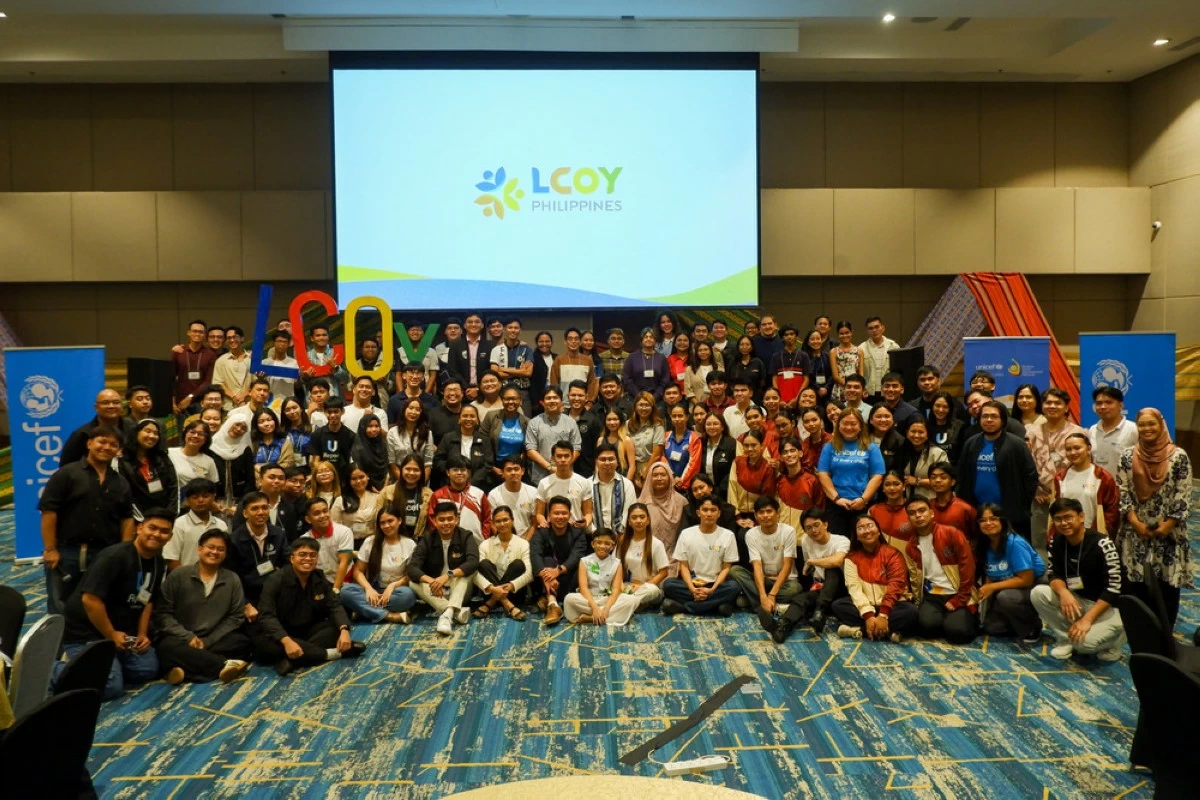
Filipino youth unveiled a 12-point climate action agenda to the Philippine government ahead of COP30, with strong support from UNICEF and national agencies for youth-led efforts promoting inclusive and resilient climate policies. (Photo from UNICEF)
Ahead of the 30th Conference of the Parties (COP30) in Brazil, Filipino youth have stepped forward with a bold call for climate action, presenting a 12-point National Youth Statement to redefine resilience amid the worsening climate crisis.
In a statement issued on Thursday, November 6, UNICEF said the recommendations — reflecting the voices of 38.5 million children nationwide — urge the government to implement inclusive, accountable, and transformative climate policies.
The National Youth Statement was presented following a series of regional Local Conferences for Youth (LCOY), organized by the Positive Youth Development Network in partnership with UNICEF Philippines, the National Youth Commission (NYC), and youth-led networks under the Kabataang Resilient Network.
Government agencies, including the Climate Change Commission, Department of Environment and Natural Resources (DENR), Department of Education (DepEd), and the Council for the Welfare of Children, have committed to bringing the youth’s recommendations to the COP30 negotiations.
Key youth recommendations for climate action
The highlights of the 12-point agenda include localizing climate adaptation plans at national and local levels; institutionalizing youth representation in disaster risk reduction and climate councils; ensuring protection for youth environmental defenders; advancing climate-resilient schools and inclusive curricula; promoting transparent climate finance accessible to grassroots and youth-led initiatives; and declaring a National Climate Emergency while strengthening sustainable food and water systems.
The youth emphasized that resilience must go beyond survival, insisting that policies prioritize equity, justice, and inclusive decision-making.
“We refuse to accept a future defined by mere survival, where our classrooms become evacuation centers and our communities endure repeated losses,” the statement reads. “Resilience must drive system transformation, protect communities, and safeguard our collective future.”
NYC Chairperson Jeff Ortega lauded the youth’s efforts and encouraged them to explore innovative solutions to climate challenges.
“Don’t be satisfied with being described as resilient. In the first place, hindi naman dapat tayo nagsa-suffer (we shouldn’t be suffering in the first place),” Ortega said, underscoring the government’s commitment to meaningful youth participation in climate and disaster governance.
UNICEF Philippines also praised young climate advocates for actively co-creating solutions in their communities — from hazard mapping to building early warning systems and educating peers.
“Young people in the Philippines are proving that resilience is not quiet — it is bold, loud, and brave,” said Brooke Yamakoshi, UNICEF Philippines Climate, Environment, and Resilience Chief.
LCOY Philippines, part of the global YOUNGO youth climate movement under the UNFCCC, provides a platform for Filipino youth to influence climate policy, share innovative solutions, and prepare for the Global Conference of Youth (GCOY) leading up to the UN Climate Change Conference.
UNICEF works in over 190 countries and territories to protect the rights of every child, particularly the most disadvantaged, ensuring they survive, thrive, and fulfill their potential.