ADVERTISEMENT

Group slams government 'criminal neglect' after 24.8M Filipinos found functionally illiterate

Teachers to launch nationwide sit-down strike vs corruption, education crisis

Published Nov 6, 2025 08:14 pm
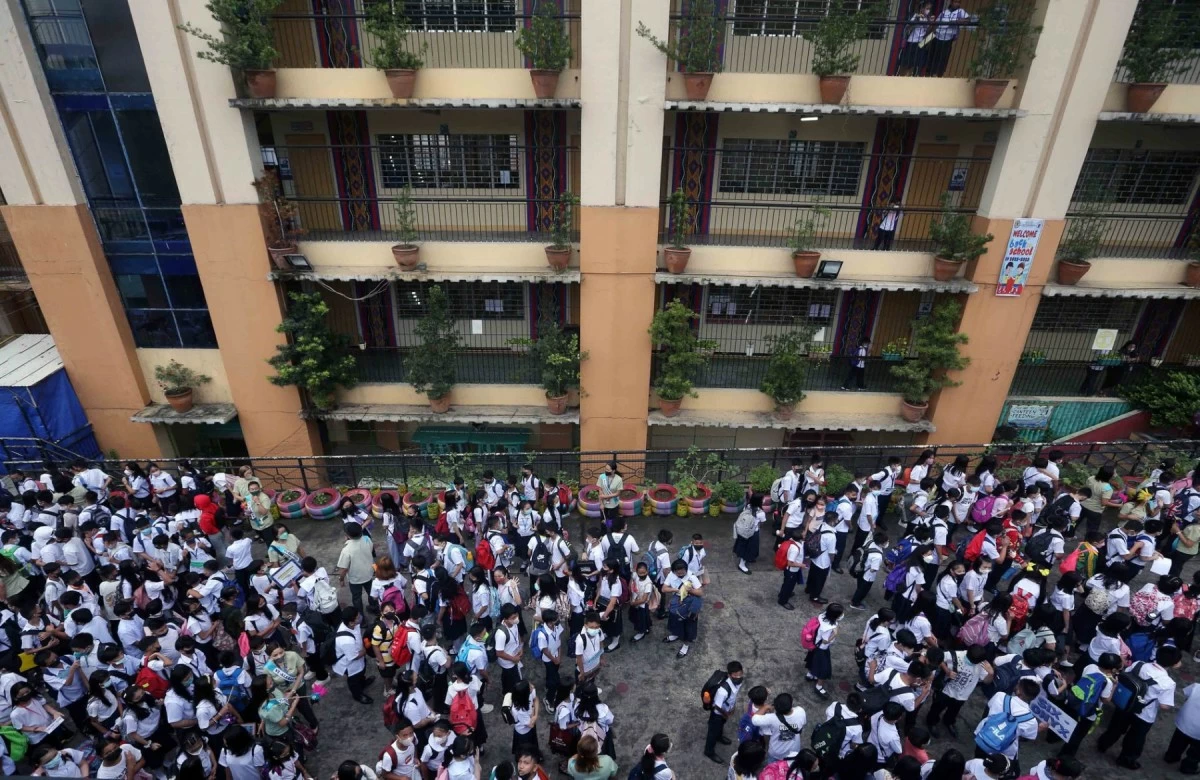
The Alliance of Concerned Teachers (ACT) Philippines slammed the government for “criminal neglect” after 24.8 million Filipinos were found functionally illiterate, calling for higher education funding and a nationwide teachers’ strike against corruption. (Manila Bulletin / file photo)
A teachers’ group on Thursday, November 6, condemned what it called the government’s “criminal neglect” of education following the revelation that 24.8 million Filipinos are functionally illiterate — a figure it described as “a damning indictment of decades of underfunding and systemic failure.”
“These staggering numbers represent not just statistics, but millions of Filipinos denied their fundamental right to quality education,” said Alliance of Concerned Teachers (ACT) Philippines Chairperson Ruby Bernardo in a statement.
“This is the bitter harvest of chronic underfunding, the commercialization of education, and the government’s failure to prioritize the welfare of learners and teachers,” she added.
Bernardo said the country’s learning crisis has worsened amid poor education spending, corruption, and difficult working conditions for teachers.
“No matter how much teachers give their all, functional illiteracy will only worsen if education continues to be starved of funds while billions are funneled into corruption-ridden projects,” Bernardo said.
“Learning poverty rates will continue to soar if teachers remain overworked and underpaid, and if schools stay overcrowded, dilapidated, substandard, and deprived of basic teaching and learning materials,” she added.
Rooted in poverty and neglect
ACT said the country’s literacy crisis cannot be separated from worsening poverty and inequality, which force many students to drop out of school or deprioritize learning. It added that chronic shortages of classrooms, teachers, and learning resources have made quality education even harder to access, especially in marginalized communities.
“The government cannot simply pin the blame on teachers or learners for this crisis,” Bernardo said.
“What we are facing is a systemic failure that demands systemic solutions — a substantial increase in the education budget, the construction of conducive and climate-resilient classrooms, smaller class sizes, sufficient and quality learning materials, decent and livable salaries for teachers and education workers, and concrete measures to address poverty that keep millions of children out of school,” she added.
ACT also called for urgent measures to address poverty, which it said keeps millions of children out of school and deepens learning inequalities.
Teachers to hold nationwide strike
As part of its campaign to demand accountability and reforms, ACT announced plans to hold a nationwide sit-down strike by the end of November, in coordination with broader anti-corruption mobilizations.
Bernardo said genuine change in education is inseparable from the fight against corruption and systemic neglect.
“If we truly want to eradicate the crisis in education, we must allocate sufficient funds to address the deficiencies, raise the salaries of teachers and staff to decent and livable levels, fix the curriculum and ensure it serves the real needs of the country, hold accountable all those involved in corruption — from the highest officials — return the people's money, and change the system that has long caused neglect of education and the citizenry,” Bernardo said in Filipino. 

Related Tags

functional illiteracy Philippines ACT Philippines education crisis learning poverty teacher strike education budget Philippine education system
ADVERTISEMENT
.most-popular .layout-ratio{ padding-bottom: 79.13%; } @media (min-width: 768px) and (max-width: 1024px) { .widget-title { font-size: 15px !important; } }

{{ articles_filter_1561_widget.title }}

.most-popular .layout-ratio{ padding-bottom: 79.13%; } @media (min-width: 768px) and (max-width: 1024px) { .widget-title { font-size: 15px !important; } }

{{ articles_filter_1562_widget.title }}

.most-popular .layout-ratio{ padding-bottom: 79.13%; } @media (min-width: 768px) and (max-width: 1024px) { .widget-title { font-size: 15px !important; } }

{{ articles_filter_1563_widget.title }}

{{ articles_filter_1564_widget.title }}

.mb-article-details { position: relative; } .mb-article-details .article-body-preview, .mb-article-details .article-body-summary{ font-size: 17px; line-height: 30px; font-family: "Libre Caslon Text", serif; color: #000; } .mb-article-details .article-body-preview iframe , .mb-article-details .article-body-summary iframe{ width: 100%; margin: auto; } .read-more-background { background: linear-gradient(180deg, color(display-p3 1.000 1.000 1.000 / 0) 13.75%, color(display-p3 1.000 1.000 1.000 / 0.8) 30.79%, color(display-p3 1.000 1.000 1.000) 72.5%); position: absolute; height: 200px; width: 100%; bottom: 0; display: flex; justify-content: center; align-items: center; padding: 0; } .read-more-background a{ color: #000; } .read-more-btn { padding: 17px 45px; font-family: Inter; font-weight: 700; font-size: 18px; line-height: 16px; text-align: center; vertical-align: middle; border: 1px solid black; background-color: white; } .hidden { display: none; }
function initializeAllSwipers() { // Get all hidden inputs with cms_article_id document.querySelectorAll('[id^="cms_article_id_"]').forEach(function (input) { const cmsArticleId = input.value; const articleSelector = '#article-' + cmsArticleId + ' .body_images'; const swiperElement = document.querySelector(articleSelector); if (swiperElement && !swiperElement.classList.contains('swiper-initialized')) { new Swiper(articleSelector, { loop: true, pagination: false, navigation: { nextEl: '#article-' + cmsArticleId + ' .swiper-button-next', prevEl: '#article-' + cmsArticleId + ' .swiper-button-prev', }, }); } }); } setTimeout(initializeAllSwipers, 3000); const intersectionObserver = new IntersectionObserver( (entries) => { entries.forEach((entry) => { if (entry.isIntersecting) { const newUrl = entry.target.getAttribute("data-url"); if (newUrl) { history.pushState(null, null, newUrl); let article = entry.target; // Extract metadata const author = article.querySelector('.author-section').textContent.replace('By', '').trim(); const section = article.querySelector('.section-info ').textContent.replace(' ', ' '); const title = article.querySelector('.article-title h1').textContent; // Parse URL for Chartbeat path format const parsedUrl = new URL(newUrl, window.location.origin); const cleanUrl = parsedUrl.host + parsedUrl.pathname; // Update Chartbeat configuration if (typeof window._sf_async_config !== 'undefined') { window._sf_async_config.path = cleanUrl; window._sf_async_config.sections = section; window._sf_async_config.authors = author; } // Track virtual page view with Chartbeat if (typeof pSUPERFLY !== 'undefined' && typeof pSUPERFLY.virtualPage === 'function') { try { pSUPERFLY.virtualPage({ path: cleanUrl, title: title, sections: section, authors: author }); } catch (error) { console.error('ping error', error); } } // Optional: Update document title if (title && title !== document.title) { document.title = title; } } } }); }, { threshold: 0.1 } ); function showArticleBody(button) { const article = button.closest("article"); const summary = article.querySelector(".article-body-summary"); const body = article.querySelector(".article-body-preview"); const readMoreSection = article.querySelector(".read-more-background"); // Hide summary and read-more section summary.style.display = "none"; readMoreSection.style.display = "none"; // Show the full article body body.classList.remove("hidden"); } document.addEventListener("DOMContentLoaded", () => { let loadCount = 0; // Track how many times articles are loaded const offset = [1, 2, 3, 4, 5, 6, 7, 8, 9, 10]; // Offset values const currentUrl = window.location.pathname.substring(1); let isLoading = false; // Prevent multiple calls if (!currentUrl) { console.log("Current URL is invalid."); return; } const sentinel = document.getElementById("load-more-sentinel"); if (!sentinel) { console.log("Sentinel element not found."); return; } function isSentinelVisible() { const rect = sentinel.getBoundingClientRect(); return ( rect.top < window.innerHeight && rect.bottom >= 0 ); } function onScroll() { if (isLoading) return; if (isSentinelVisible()) { if (loadCount >= offset.length) { console.log("Maximum load attempts reached."); window.removeEventListener("scroll", onScroll); return; } isLoading = true; const currentOffset = offset[loadCount]; window.loadMoreItems().then(() => { let article = document.querySelector('#widget_1690 > div:nth-last-of-type(2) article'); intersectionObserver.observe(article) loadCount++; }).catch(error => { console.error("Error loading more items:", error); }).finally(() => { isLoading = false; }); } } window.addEventListener("scroll", onScroll); });

Sign up by email to receive news.