







Estrada seeks stiffer penalties vs false bomb jokes
Published Nov 6, 2025 12:04 pm


At A Glance
- Estrada pointed out that the provisions under Presidential Decree No. 1727 are already outdated and the recent spate of reported hoax bomb threats justifies the need for stringent penalties against such actions.
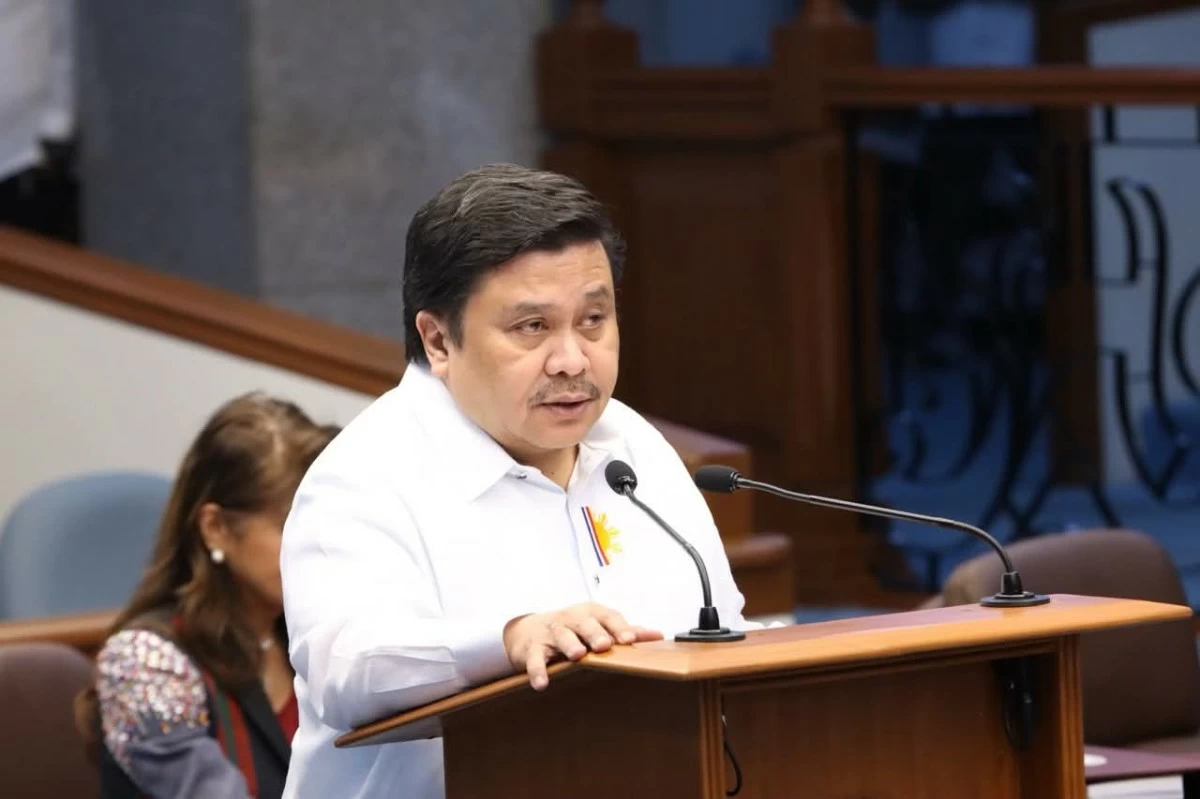
Senate President Pro Tempore Jinggoy Estrada (Facebook)
Estrada pointed out that provisions under Presidential Decree No. 1727 are already outdated and the recent spate of reported hoax bomb threats justifies the need for stringent penalties against such actions.
In filing Senate Bill No. 1076, or the proposed “False Bomb Threat Prohibition Act,” the senator seeks the inclusion of digital platforms, expanding the scope to include threats made through social media, messaging apps, and other digital platforms.
The bill also seeks to designate a lead implementing agency to oversee enforcement and public awareness campaigns on bomb threats.
“The safety and security of the public are non-negotiable. These false threats are deliberate acts of disruption that endanger lives, paralyze institutions, and waste valuable government resources,” Estrada said.
“They erode public trust in emergency systems that are supposed to respond to real crises. We need a stronger legal deterrent to protect our citizens from these unscrupulous individuals,” he pointed out.
Under the bill, Estrada seeks to raise the current penalty of imprisonment of up to five years or a P40,000 fine, to a jail term of six to 12 years, or a fine ranging from P1 million to P5 million, or both.
The senator filed the bill following the series of hoax bomb threats that disrupted the operations of schools and government offices in Bulacan, Bicol, Cebu, Caloocan City and Manila City.
He also noted that just last month, four schools in Davao City were targeted within 48 hours, prompting mass evacuations and class suspensions.
In Pampanga, a 21-year-old woman was charged for sending online bomb threats to several schools, while operations at the Office of the Vice President were temporarily halted due to a similar incident earlier this year.
“The rise of social media and digital communication platforms has made it easier for malicious individuals to spread panic with just a few clicks. It’s time we update our laws to keep up with these realities,” Estrada said.
“This is about restoring public trust and ensuring that our communities feel safe…We must send a clear message: those who weaponize fear through false threats will be held accountable,” he stressed.