






Manila Bulletin
 Philippines
National
DSWD urges public to stop using disabilities as social media content
Philippines
National
DSWD urges public to stop using disabilities as social media content
Philippines
National
DSWD urges public to stop using disabilities as social media content
DSWD urges public to stop using disabilities as social media content
Published Nov 6, 2025 05:37 pm


DSWD/NCDA
The Department of Social Welfare and Development (DSWD) has called on social media users and influencers to stop using disabilities as a form of entertainment or trend online, saying such acts mock and disrespect persons with disabilities (PWDs).
“The DSWD appeals to all social media users and influencers to exercise compassion and sensitivity in producing online content. Imitating persons with disabilities is already a form of mockery that reinforces disrespect and discrimination towards the concerned vulnerable group,” said DSWD Assistant Secretary and spokesperson Irene Dumlao on Thursday, Nov. 6.
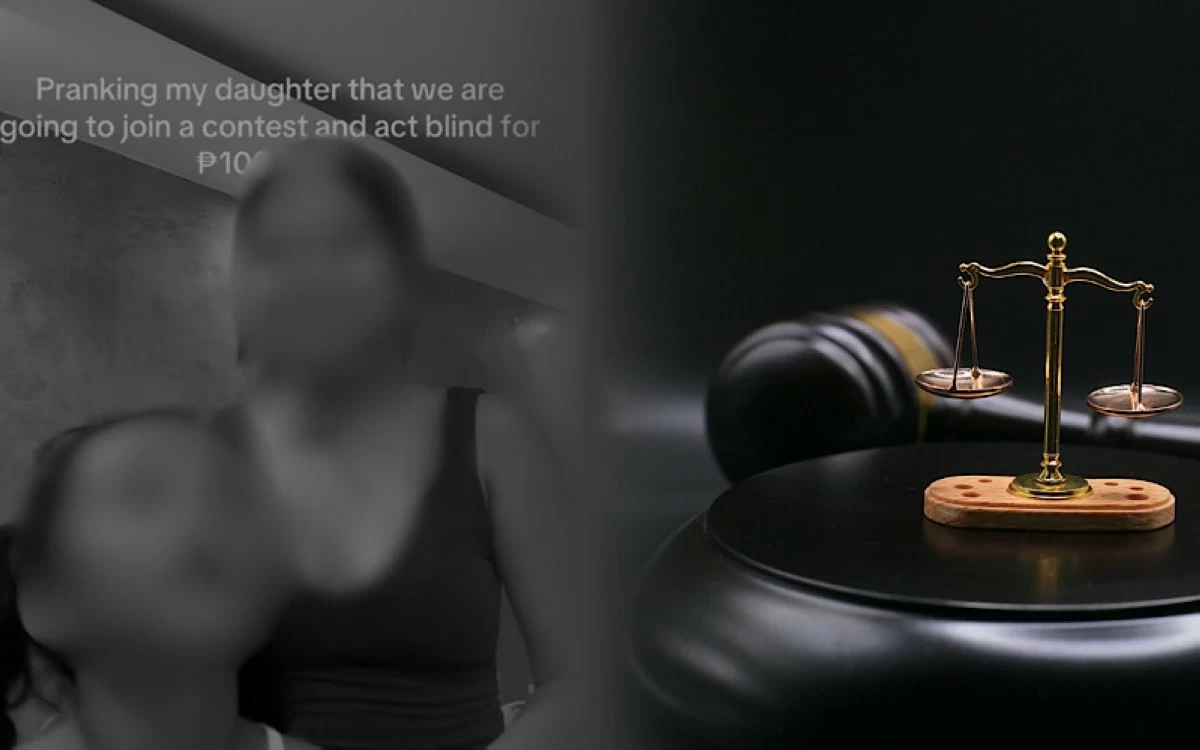
Dumlao issued the statement in support of the National Council on Disability Affairs (NCDA), an attached agency of the DSWD, which denounced the viral “Emily Blind Prank” on social media.
The trend encourages netizens, including children, to pretend to be blind to win a cash prize.
“President Ferdinand Marcos Jr. has directed the DSWD and other government agencies to strengthen programs for persons with disabilities to ensure that they are not left behind in development and can partake in nation building,” Dumlao said.
She added that under the whole-of-society approach, all sectors must work together to advocate and promote the empowerment of PWDs.
In its statement, the NCDA said these videos “diminish the gravity of what it means to acquire a disability or fight through illness,” and make fun of the real fund-raising efforts of PWDs and their families who struggle financially to seek care, rehabilitation, and support.
“These videos mock disability. They violate Republic Act No. 9442, which prohibits public ridicule and vilification of persons with disabilities. Under this law, any act that subjects persons with disabilities to shame, humiliation, or scorn—whether in public spaces or online platforms—is punishable,” the NCDA said.
The council also reminded content creators, parents, and platform moderators that digital content is not exempt from accountability under the law.
Dumlao urged the public to help stop online ridicule and report to the NCDA any content that mocks or misrepresents disability.
“We urge the public to become responsible social media users. Let us use the platform and your influence to promote inclusion, raise awareness, foster respect, and help persons with disabilities overcome the barriers that hinder their full participation in society,” she said.