






Manila Bulletin
 Philippines
National
DSWD assures burial aid, other assistance for families of Typhoon Tino victims
Philippines
National
DSWD assures burial aid, other assistance for families of Typhoon Tino victims
Philippines
National
DSWD assures burial aid, other assistance for families of Typhoon Tino victims
DSWD assures burial aid, other assistance for families of Typhoon Tino victims
Published Nov 6, 2025 06:09 pm


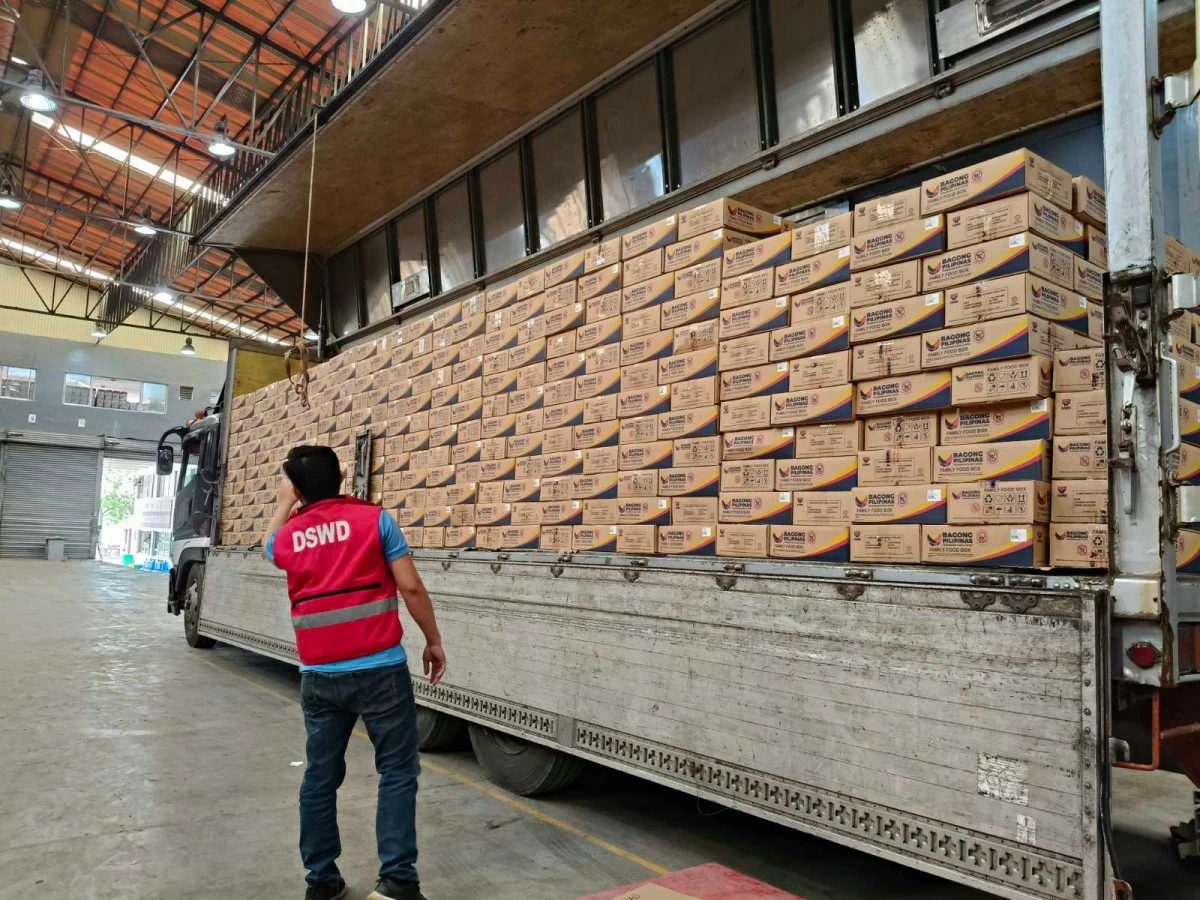
DSWD
The Department of Social Welfare and Development (DSWD) has extended its condolences to families who lost their loved ones during the onslaught of Typhoon Tino and assured them of immediate assistance, including burial aid and other social protection services.
DSWD Assistant Secretary and head of the Disaster Response Management Group Irene Dumlao on Thursday, Nov. 6 said social workers from various field offices have reached out to bereaved families to facilitate burial assistance under the Assistance to Individuals in Crisis Situations (AICS) program.
“Naka-ready ang DSWD to provide burial assistance doon sa mga pamilya na may mga miyembro na pumusay [namatay] bunsod ng epekto ni Bagyong Tino. Under AICS, mayroon po tayong burial assistance (The DSWD is ready to provide burial assistance to families who lost members due to the effects of Typhoon Tino. Under AICS, we have burial assistance),” Dumlao said.
She added that aside from financial aid, the department is also prioritizing psychosocial services to help families cope with grief and trauma caused by the disaster.
“We will ensure na other assistance would also be provided such as psychosocial intervention kasi sa mga ganitong pagkakataon, napakahalaga na masuportahan din natin yung non-material needs ng mga kababayan natin, especially na malaking dagok o malaki yung naging epekto nitong Bagyong Tino sa kanila pong buhay (We will ensure that other assistance such as psychosocial intervention will be provided because during times like these, it is important that we also support the non-material needs of our fellow Filipinos, especially since Typhoon Tino has had a huge impact on their lives),” Dumlao said.
In Central Visayas, DSWD Field Office 7 has provided an initial financial support of P10,000 each to bereaved families to help them meet immediate needs, including food during the vigil or burial.
Dumlao also assured the public that the DSWD is ready to implement emergency cash transfers (ECT) for families whose homes and livelihoods were affected by the typhoon.
“May mga bayan at probinsya na nagdeklara na ng state of calamity. Kung mag-request ang mga local government units (LGUs) ng emergency cash transfer or financial assistance, we will implement ECT, provided that the trigger mechanisms are present (Some towns and provinces have declared a state of calamity. If LGUs request emergency cash transfers or financial assistance, we will implement ECT, provided that the trigger mechanisms are present),” she said.
She explained that for the ECT to be activated, there must be a declaration of a state of calamity, verified reports of affected families, and market operability in the area.
“If these trigger mechanisms are present, we will activate yung ECT. Dahil nga nabanggit ko kanina na nagkaroon ng declaration of national state of calamity, and we could access other funds and resources of the national government, pwede po tayong mag-request para masuportahan ang implementasyon ng ECT (Since a national state of calamity has been declared, we can access other national government funds and resources to support its implementation),” Dumlao said.