







DPWH sets 9-month deadline for clearing Metro Manila waterways
By Trixee Rosel
Published Nov 5, 2025 12:15 pm
|
Updated Nov 5, 2025 01:50 pm


At A Glance
- DPWH sets a 9-month timeline to clear Metro Manila waterways ahead of the 2026 rainy season.
- Mobile pumps, manual clearing, and removal of obstructive structures are key components of the intensified flood-mitigation plan.
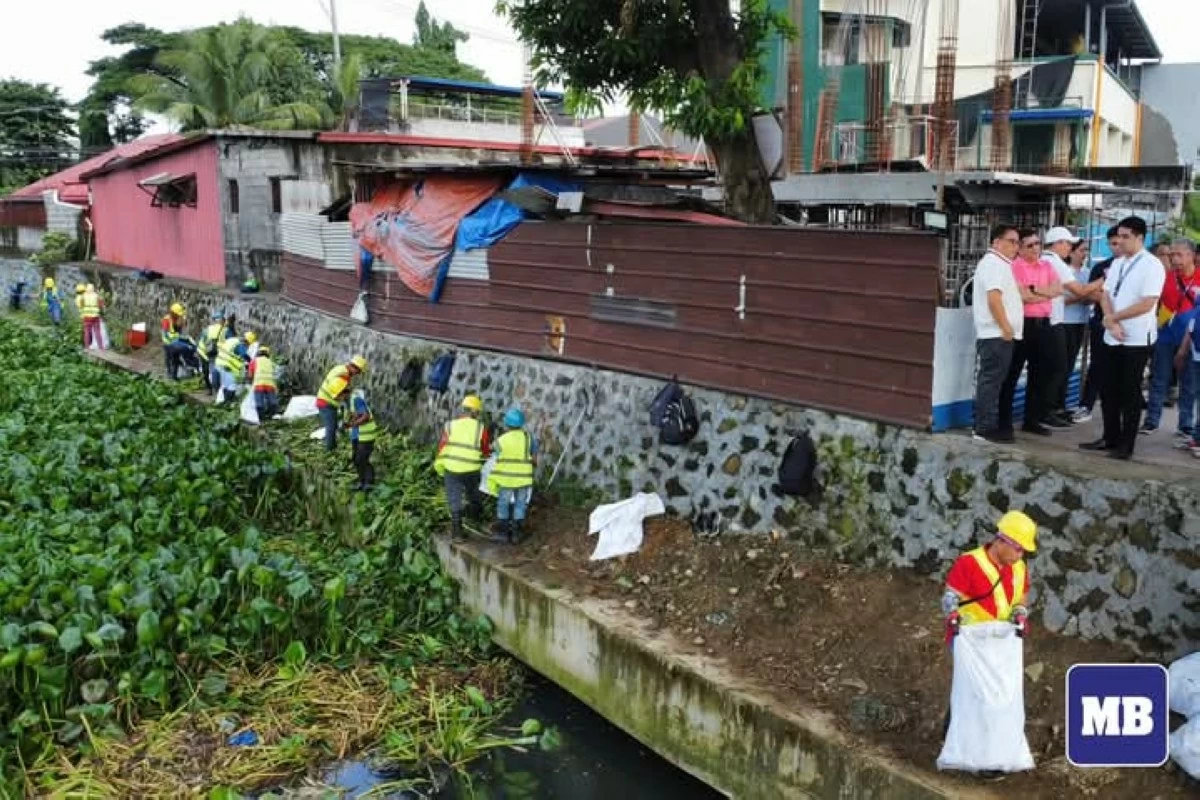
MMDA Chairman Don Artes, joined by Pasig City Mayor Vico Sotto, oversees a “Bayanihan sa Estero” clean-up at Ilugin Creek in Pasig City on Oct. 20, 2025, as part of broader waterway-clearing efforts in Metro Manila. (Santi San Juan/MB)
The Department of Public Works and Highways (DPWH) will clear all waterways in Metro Manila within nine months to mitigate flooding ahead of the 2026 rainy season.
“What the president wants is to mobilize all available resources – the DPWH, MMDA, our local governments, and the private sector, simultaneously and continuously for the next nine months at least,” DPWH Secretary Vince Dizon told mayors during the Metro Manila Council meeting on Tuesday.
The campaign will combine mobile pumping stations and manual clearing to cover both major drainage systems and smaller creeks.
One mobile pumping station will be deployed per city and municipality, each capable of draining 1.25 cubic meters of water per second, while additional units will remain on standby for emergencies.
Manual clearing operations will also be conducted in areas inaccessible to heavy equipment.
The DPWH is likewise identifying government-funded and illegal structures obstructing waterways, prioritizing high-impact sites.
In Quezon City, the P95-million Matalahib Pumping Station has been approved for demolition after being tagged as a “nuisance” by the local government, part of the agency’s crackdown on ineffective flood-control projects.
“The other flood control measures, instead of being helpful, actually cause harm. That’s why the president said if it doesn’t help, let’s tear it down,” Dizon said.
The clearing effort is expected to generate around four million cubic meters of silt and debris.
To manage the volume, the DPWH will deploy about 100 additional dump trucks across Metro Manila, although disposal sites for the waste have yet to be finalized.
Some mayors raised concerns regarding the relocation of families living near waterways.
Dizon assured that such relocations will be conducted only in the second phase of the operation, prioritizing the removal of hazardous government-built structures first.
With the Philippines experiencing an average of 20 tropical cyclones annually, the DPWH is accelerating its efforts to mitigate flooding, including those worsened by substandard or “ghost” flood-control projects, ahead of the next typhoon season.