







Philippine meat imports surge 17% on lower tariffs
Published Nov 4, 2025 05:42 pm


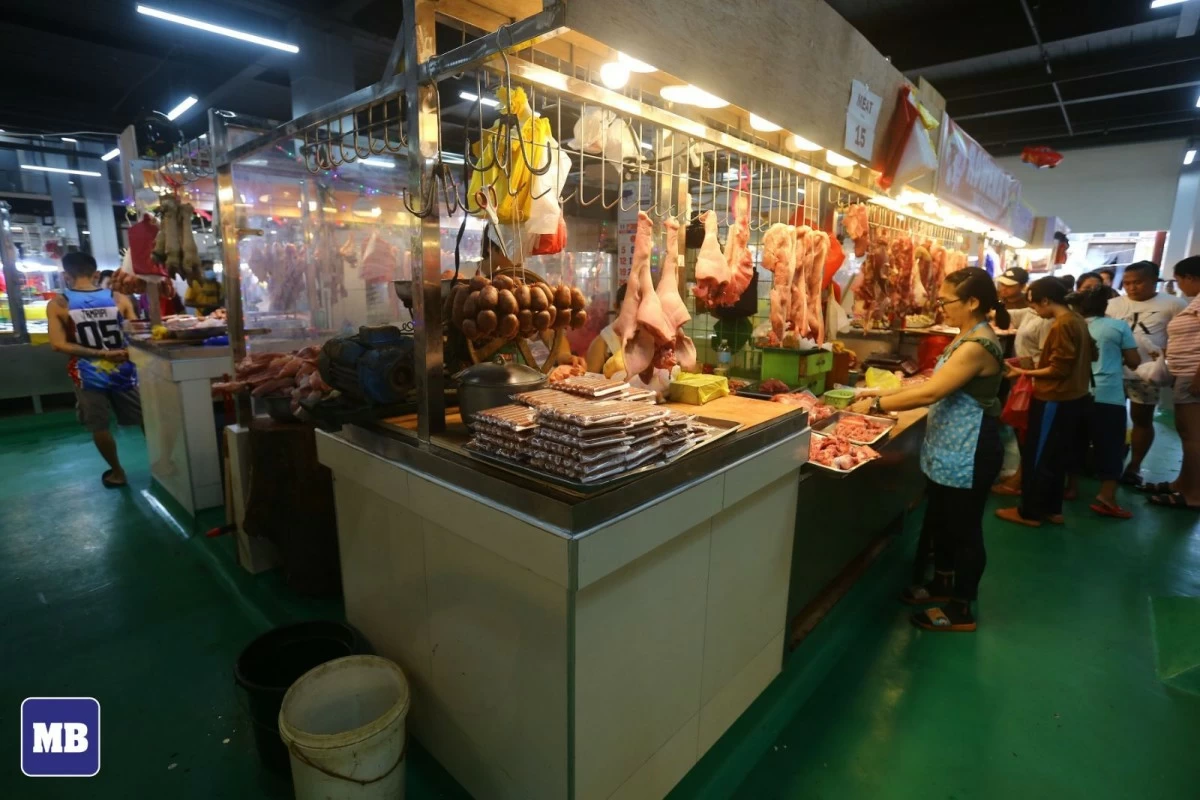
The country’s meat imports increased by 17 percent to over 1 million metric tons (MT) from January to August, as traders ramped up purchases to take advantage of the government-imposed lower tariff rate.
Data from the Bureau of Animal Industry (BAI) showed that meat imports during the first eight months reached 1.06 million MT, surpassing 907,771 MT in the same period last year.
Pork accounted for more than half of the total volume, with shipments at 573,091 MT during the eight-month period.
Offals and pork cuts are the leading varieties, combining for a total of 425,583 MT, just under 25,000 MT shy of total pork imports in the same period last year, which stood at 450,361 MT.
BAI data indicated that pork imports are up 27 percent compared to last year.
Agriculture Secretary Francisco Tiu Laurel has blamed the current 25 percent tariffs imposed on pork imports as the reason behind the increase in foreign purchases this year.
“Lower import duties have encouraged over-importation. This has flooded the market, squeezed local producers, and endangered both our food security and farmers’ livelihoods,” he said in a statement.
In response to the clamor of industry groups, Tiu Laurel is set to recommend to President Marcos that he restore the pork import tariff to 40 percent in an effort to curb the surge in imports.
The lower 25-percent tariff rate was implemented last year, alongside tariff cuts of other agricultural products, under President Marcos’ Executive Order (EO) No. 62.
BOI data also showed that chicken imports rose by nearly seven percent to 322,007 MT in the first eight months compared to 302,028 MT in the previous year.
Imports of mechanically deboned meat (DBM)—which are commonly used for processed foods—were the most popular variety, with 168,805 MT of purchases by the end of August.
Meanwhile, beef imports reached 131,991 MT in the period, six-percent higher than the 125,016 MT logged last year.
During the eight-month period, Filipino traders also purchased 29,316 MT of buffalo, 550 MT of lamb, 96 MT of duck, and 79 MT of turkey.
Based on BAI data, Brazil is still the country’s top source of imported meat, covering a total volume of 424,375 MT.
The United States was the second largest supplier at 162,670 MT, followed by Spain at 121,386 MT.