






Manila Bulletin
 Lifestyle
Health and Wellness
Remembering the dead from Covid-19 and other vaccine-preventable diseases
Lifestyle
Health and Wellness
Remembering the dead from Covid-19 and other vaccine-preventable diseases
Lifestyle
Health and Wellness
Remembering the dead from Covid-19 and other vaccine-preventable diseases
Remembering the dead from Covid-19 and other vaccine-preventable diseases
Debunking antivaxxer claims and understanding why vaccines are important
Published Nov 3, 2025 09:38 pm


At A Glance
- During this week of All Souls Day, we remember the dead who were lost to vaccine-preventable illnesses.
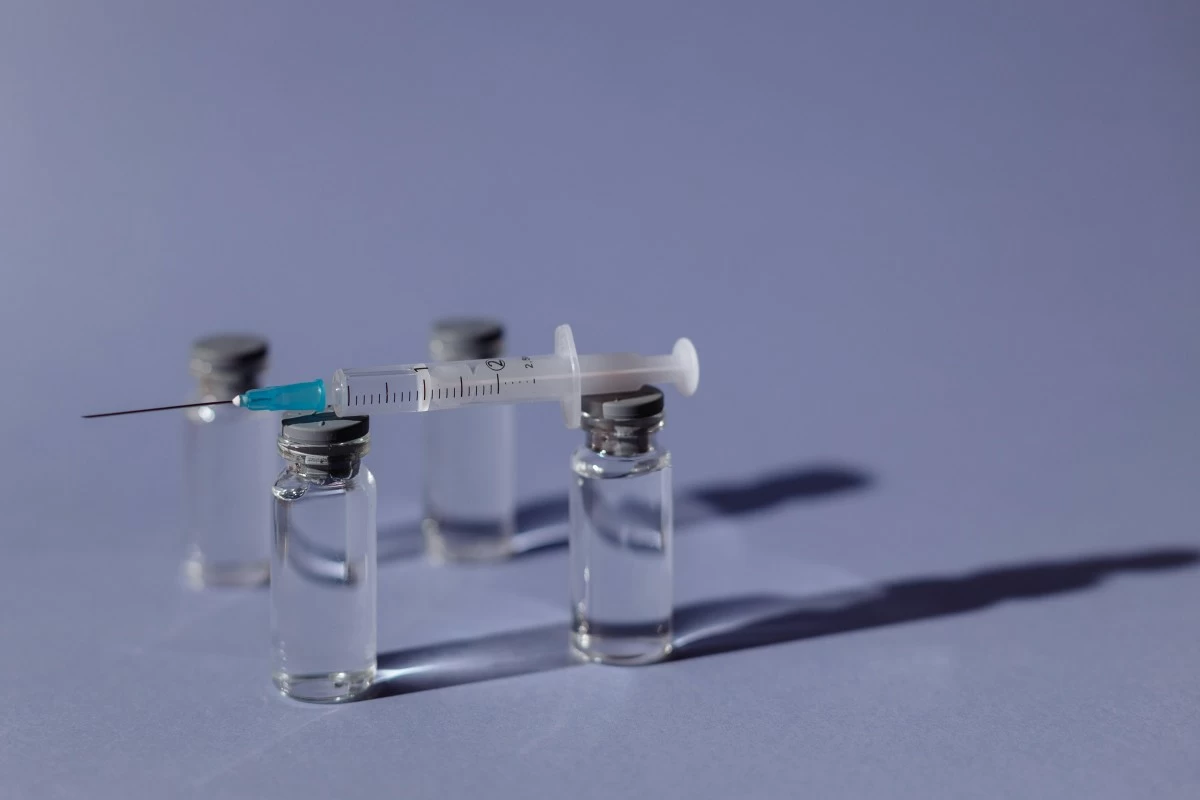
Vaccination is one of the most successful public health interventions in history. Over the last 50 years, vaccines have saved over 154 million lives and continue to save over four million lives yearly. Most of these lives that were saved were those of children who would otherwise have succumbed to measles, polio, pertussis, and other preventable illnesses. Recently, the power of vaccines was demonstrated by their effect on the Covid-19 pandemic. Without Covid-19 vaccines, an additional 2.5 million deaths would have occurred directly from SARS-CoV-2, not to mention the added damage from a prolonged period prior to normalization without an effective vaccine.
It is unfortunate that Covid-19 vaccines came too late for the over seven million officially recorded deaths from the pandemic. True estimates of deaths from Covid-19 are anywhere from 15 to 20 million people, not including the indirect premature deaths it caused among those who developed complications. Among these deaths were many doctors, nurses, and other healthcare workers who, despite the risk, bravely took care of patients knowing we had no effective treatment to offer if they themselves got sick. Some of these people were my colleagues, teachers, and friends. Three of my medical school professors, Dr. Sally Gatchalian, Dr. Raul Jara, and Dr. Ricardo Salonga, were among the fatalities. Until now, some healthcare workers have been unable to return to work due to long Covid-19.
I remember thinking back in March 2020, when we first locked down, about how long it would take to get back to normal. We knew that a vaccine was essential to ending pandemic restrictions quickly. Natural herd immunity would have killed millions, disabled many more due to complications, and there was no guarantee that immunity from one infection was durable and long-lasting. This was clearly not acceptable. Natural herd immunity would also have taken down our healthcare system and caused widespread deaths among healthcare workers. A vaccine was the only viable option.
At that point, the fastest vaccine that had been developed and deployed was the mumps vaccine, which had taken four years. I could not imagine having to live with pandemic restrictions for that long, and there was a real fear among us experts that our prospects were looking grim. Fortunately, building upon work done on the other coronaviruses, MERS-CoV and SARS-CoV, along with cutting-edge mRNA technology, an effective vaccine was found in less than 12 months. Several other effective non-mRNA vaccines were subsequently developed and deployed. While there were difficulties in ensuring equitable distribution, especially for resource-limited countries, we were able to obtain enough vaccines to immunize 70 percent of our eligible population in a timely fashion. This enabled our country to safely reopen and start to recover.
Despite strong proof that vaccines are very safe and save lives, there are still many who misunderstand how vaccines work. Antivaxxers exploit these common misconceptions to sow doubt and fear. One of the most common ways antivaxxers attack vaccines is by using examples of people who got the disease despite being vaccinated. No vaccine is 100 percent effective, and there will always be instances when someone who is vaccinated will still get the illness, which is known in the medical field as a breakthrough infection. While some vaccines, like the one for measles, are so good that they can prevent up to 95 percent of infections, others, like the flu vaccine, are only able to prevent 30 to 60 percent of infections. This does not mean these less effective vaccines are useless. Studies show that those with breakthrough infection from influenza are less likely to need hospitalization and develop severe disease compared with those who are unvaccinated.
Covid-19 vaccines, especially mRNA vaccines, worked very well in preventing disease early in the pandemic. Pfizer and Moderna vaccines initially showed more than 90 percent efficacy in preventing infection compared to a placebo. As the variants took over, however, the effectiveness against disease prevention started to wane. But these vaccines remained highly effective (about 90 percent or more) in protecting recipients against hospitalization and severe disease. Boosters improved protection against infection but may need to be given periodically as SARS-CoV-2 continues to evolve. Nevertheless, the original set of Covid-19 vaccination plus early boosters remains significantly effective in reducing the mortality of recipients and has enabled us to stay open and get back to our normal lives.
A recent paper published this year reviewed the effect of vaccination on the risk of developing long Covid-19. Researchers divided the long-term complications of Covid-19 into two groups: post-Covid-19 condition (symptoms ≥ three months after infection) and long Covid (symptoms ≥ one month after infection). In both instances, vaccination decreased the risk of both outcomes. The decrease in overall risk was highest for those who got more boosters. This is definitive proof that Covid-19 vaccines don’t just save lives… They also help preserve a person’s health.
One of the hardest things to explain regarding the beneficial effect of vaccines is the number of people who would have died if there were no vaccine. This is a theoretical estimate based on the efficacy and how many people got the vaccine. In contrast, it is easy for antivaxxers to exploit the relatively rare serious adverse reactions that occur when millions of people are vaccinated. Though one way to counteract this is to look at what it was like before vaccines were available. Prior to the discovery of the polio vaccine, many children ended up in an iron lung for the rest of their lives. Parents lived in fear that the summer would bring illness, disability, and even death to their kids. Nowadays, only one person, Martha Lillard, is still in an iron lung after she contracted polio in 1953. This is clear proof that the polio vaccine has changed our lives for the better. During this week of All Souls Day, we remember the dead who were lost to vaccine-preventable illnesses. It is also meaningful to reflect on the millions who are still alive and well thanks to the scientific miracle that is vaccination.