

ADVERTISEMENT

ICI 'legal and not redundant', Hosaka insists

Published Nov 3, 2025 04:31 pm

At A Glance

  • The Independent Commission for Infrastructure (ICI) is confident of its legality and belief that there is no redundancy in its function following a petition filed before the Supreme Court (SC) that challenges its constitutionality and scope of authority.
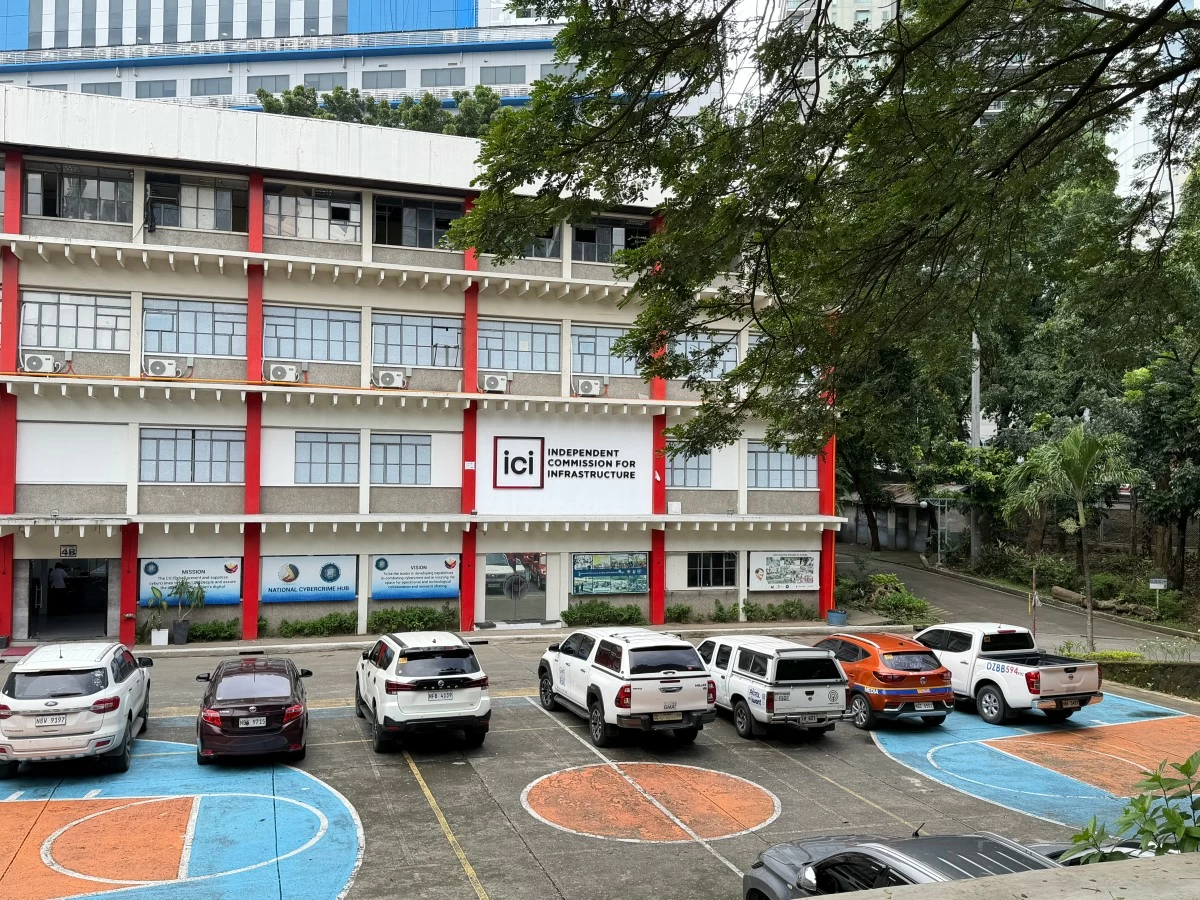
The Independent Commission for Infrastructure (ICI) is confident of its legality and belief that there is no redundancy in its function following a petition filed before the Supreme Court (SC) that challenges its constitutionality and scope of authority.
ICI Executive Director Brian Hosaka on Monday, Nov. 3, says the ICI is letting its lawyers review the petition filed against the body.
But Hosaka, himself a lawyer, reckoned that the outcome of the petition--whatever it would be--would only "enrich the jurisprudence" of the ICI.
"I haven't read the actual petition yet, and we will leave it to our lawyers to be able answer the petition," he said in a press conference.
Regarding ICI's legality, Hosaka maintained that it was "up for the courts to decide".
"But definitely, I believe that the EO (Executive Order) passed through the scrutiny of the lawyers before it was drafted and eventually signed by the President," he said.
"As far as being confident eh, I believe it is lawful, it is legal, it is within the powers of the president to create the ICI," he added.
Hosaka's remark came after petitioner John Barry Tayam, a citizen and taxpayer, urged the SC to "subsequently declare the validity and constitutionality of EO No. 94, and determine the lawful creation and scope of authority of the Independent Commission for Infrastructure (ICI)".
Issued by President Marcos last Sept. 11, EO No.94 established the ICI to look into the flood control projects corruption scandal. It investigates, receives evidence, evaluates reports, and recommends the filing of appropriate criminal, civil and administrative cases before the Office of the Ombudsman. 
Tayam claimed that the legal and operational structure of the ICI raises serious constitutional questions as he cited potential violation of the equal protection clause, and a problematic redundancy with existing anti-graft agencies.
"This excessive bureaucracy effectively deprives the public of its right to a speedy trial, a right crucial for a frustrated populace demanding quick resolution regarding the individuals involved in the flood control issues," he said.
Not redundant
Hosaka says that ICI is not redundant since it is helping the Office of the Ombudsman investigate around 238,000 infrastructure projects.
"Para sakin ang ibig sabihin ng redundant, ibig sabihin, ginagawa mo yung gingawa rin ng isang tao o ng isang commission o ng isang body. In this particular case kasi, as we all know, napalawak ng tinitignan natin (For me, if you say redundant, it means you are also doing the same work of another person or of a commission or of a body. In this particular case, we are investigating a very wide case)," he said.
"I could say that it is collaborative. It is in a way... we are helping each other wiht regard to this matter kasi kung ang ginagawa nila (if what they're doing) for example, in our case, we are looking at the ghost projects right now," he added.
For Hosaka, it is actually better that multiple entities are helping each other fast track the resolution of cases in connection with the anomalies in flood control projects.
What if it petitioner wins?
Even in the event the High Court declares the ICI unconstitutional, Hosaka said the body's work will not go to waste.
He said that once referral cases are already with the Office of the Ombudsman, "They will now be taking cognizance of [these]."
"And constitutional body ang ating Ombudsman. So, in that matter, sila na ngayon yung mag-poproceed (The Office of the Ombudsman is a constitutional body. So in that matter, they will be the one to proceed) with any possible action with regard to our referrals,"
"So hindi na mababalewala ang trabahong ginawa ng ICI (So ICI's works will not be disregarded)," he added.
ADVERTISEMENT
.most-popular .layout-ratio{ padding-bottom: 79.13%; } @media (min-width: 768px) and (max-width: 1024px) { .widget-title { font-size: 15px !important; } }

{{ articles_filter_1561_widget.title }}

.most-popular .layout-ratio{ padding-bottom: 79.13%; } @media (min-width: 768px) and (max-width: 1024px) { .widget-title { font-size: 15px !important; } }

{{ articles_filter_1562_widget.title }}

.most-popular .layout-ratio{ padding-bottom: 79.13%; } @media (min-width: 768px) and (max-width: 1024px) { .widget-title { font-size: 15px !important; } }

{{ articles_filter_1563_widget.title }}

{{ articles_filter_1564_widget.title }}

.mb-article-details { position: relative; } .mb-article-details .article-body-preview, .mb-article-details .article-body-summary{ font-size: 17px; line-height: 30px; font-family: "Libre Caslon Text", serif; color: #000; } .mb-article-details .article-body-preview iframe , .mb-article-details .article-body-summary iframe{ width: 100%; margin: auto; } .read-more-background { background: linear-gradient(180deg, color(display-p3 1.000 1.000 1.000 / 0) 13.75%, color(display-p3 1.000 1.000 1.000 / 0.8) 30.79%, color(display-p3 1.000 1.000 1.000) 72.5%); position: absolute; height: 200px; width: 100%; bottom: 0; display: flex; justify-content: center; align-items: center; padding: 0; } .read-more-background a{ color: #000; } .read-more-btn { padding: 17px 45px; font-family: Inter; font-weight: 700; font-size: 18px; line-height: 16px; text-align: center; vertical-align: middle; border: 1px solid black; background-color: white; } .hidden { display: none; }
function initializeAllSwipers() { // Get all hidden inputs with cms_article_id document.querySelectorAll('[id^="cms_article_id_"]').forEach(function (input) { const cmsArticleId = input.value; const articleSelector = '#article-' + cmsArticleId + ' .body_images'; const swiperElement = document.querySelector(articleSelector); if (swiperElement && !swiperElement.classList.contains('swiper-initialized')) { new Swiper(articleSelector, { loop: true, pagination: false, navigation: { nextEl: '#article-' + cmsArticleId + ' .swiper-button-next', prevEl: '#article-' + cmsArticleId + ' .swiper-button-prev', }, }); } }); } setTimeout(initializeAllSwipers, 3000); const intersectionObserver = new IntersectionObserver( (entries) => { entries.forEach((entry) => { if (entry.isIntersecting) { const newUrl = entry.target.getAttribute("data-url"); if (newUrl) { history.pushState(null, null, newUrl); let article = entry.target; // Extract metadata const author = article.querySelector('.author-section').textContent.replace('By', '').trim(); const section = article.querySelector('.section-info ').textContent.replace(' ', ' '); const title = article.querySelector('.article-title h1').textContent; // Parse URL for Chartbeat path format const parsedUrl = new URL(newUrl, window.location.origin); const cleanUrl = parsedUrl.host + parsedUrl.pathname; // Update Chartbeat configuration if (typeof window._sf_async_config !== 'undefined') { window._sf_async_config.path = cleanUrl; window._sf_async_config.sections = section; window._sf_async_config.authors = author; } // Track virtual page view with Chartbeat if (typeof pSUPERFLY !== 'undefined' && typeof pSUPERFLY.virtualPage === 'function') { try { pSUPERFLY.virtualPage({ path: cleanUrl, title: title, sections: section, authors: author }); } catch (error) { console.error('ping error', error); } } // Optional: Update document title if (title && title !== document.title) { document.title = title; } } } }); }, { threshold: 0.1 } ); function showArticleBody(button) { const article = button.closest("article"); const summary = article.querySelector(".article-body-summary"); const body = article.querySelector(".article-body-preview"); const readMoreSection = article.querySelector(".read-more-background"); // Hide summary and read-more section summary.style.display = "none"; readMoreSection.style.display = "none"; // Show the full article body body.classList.remove("hidden"); } document.addEventListener("DOMContentLoaded", () => { let loadCount = 0; // Track how many times articles are loaded const offset = [1, 2, 3, 4, 5, 6, 7, 8, 9, 10]; // Offset values const currentUrl = window.location.pathname.substring(1); let isLoading = false; // Prevent multiple calls if (!currentUrl) { console.log("Current URL is invalid."); return; } const sentinel = document.getElementById("load-more-sentinel"); if (!sentinel) { console.log("Sentinel element not found."); return; } function isSentinelVisible() { const rect = sentinel.getBoundingClientRect(); return ( rect.top < window.innerHeight && rect.bottom >= 0 ); } function onScroll() { if (isLoading) return; if (isSentinelVisible()) { if (loadCount >= offset.length) { console.log("Maximum load attempts reached."); window.removeEventListener("scroll", onScroll); return; } isLoading = true; const currentOffset = offset[loadCount]; window.loadMoreItems().then(() => { let article = document.querySelector('#widget_1690 > div:nth-last-of-type(2) article'); intersectionObserver.observe(article) loadCount++; }).catch(error => { console.error("Error loading more items:", error); }).finally(() => { isLoading = false; }); } } window.addEventListener("scroll", onScroll); });

Sign up by email to receive news.