







EastWest Bank's core businesses drive 14% profit growth
Published Nov 3, 2025 03:02 pm


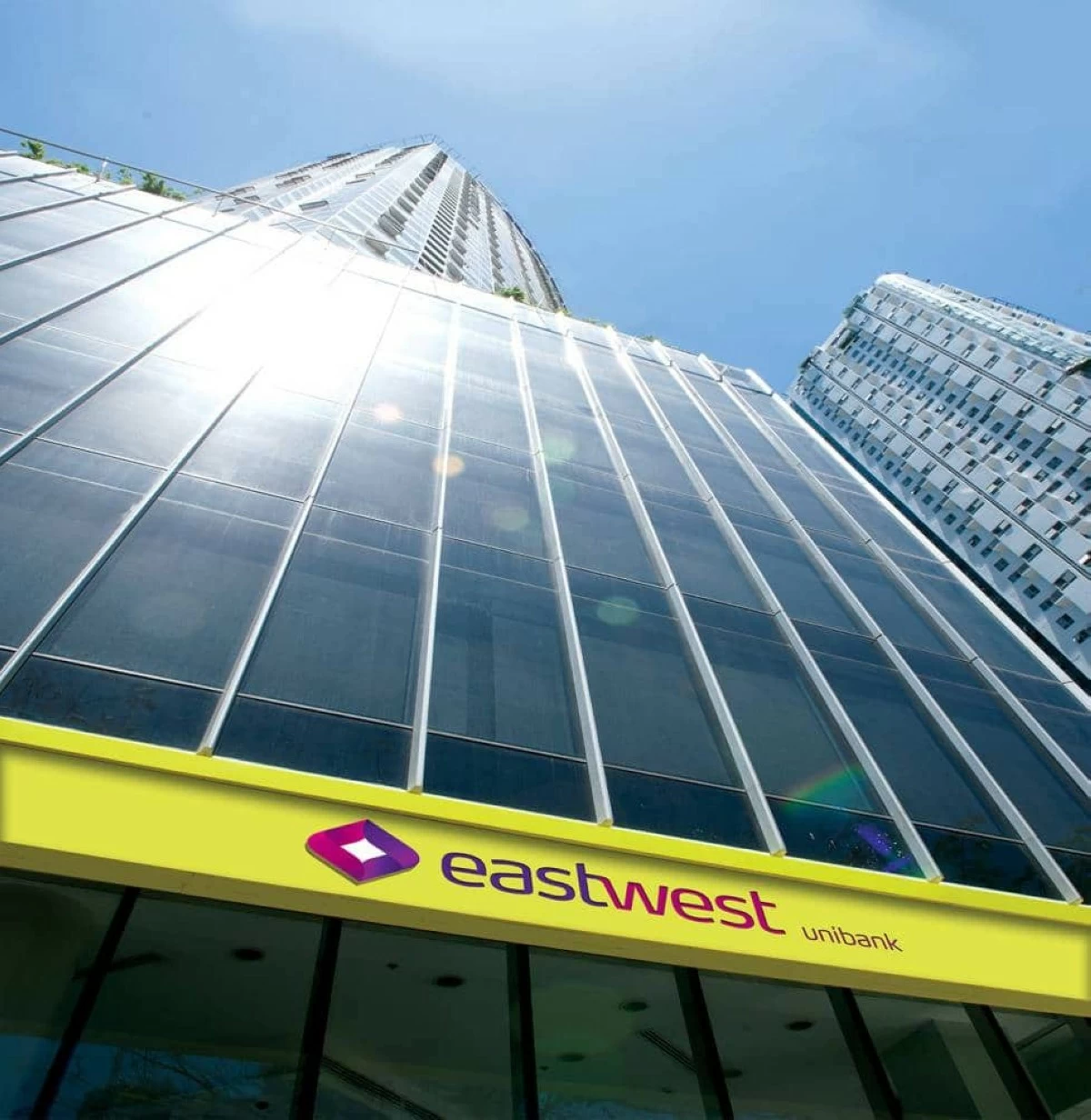
The Gotianun Group’s East West Banking Corp. (EastWest) posted a 14-percent growth in net income to ₱6.6 billion in the first nine months of the year on the back of its consistent core revenue generation.
In a disclosure to the Philippine Stock Exchange (PSE), the bank said its revenues increased by 16 percent year-on-year to ₱37.3 billion, from the 18-percent improvement in net interest income to ₱29.7 billion.
This was fueled by its consumer lending business, which expanded by 17 percent and now makes up 85 percent of the bank’s total loan portfolio.
This robust performance of the bank’s core businesses was bolstered by a 27-percent rise in fee income, amounting to ₱5.3 billion.
“Our core consumer banking business is thriving, aligning perfectly with the evolving needs of our customers. Our strategic funding initiatives are likewise effectively supporting our growth plans and fortifying our funding structure,” said EastWest Chief Executive Officer (CEO) Jerry G. Ngo.
He noted that, “These critical components have significantly contributed to our steady revenue generation. At the same time, we continue to manage risks actively and ensure that provisions are adequate. Combined with our operational efficiencies, these have resulted in robust and sustainable profitability.”
Operating expenses inched up by only seven percent to ₱19.2 billion, much slower than revenues. The growth was attributed to investments in people and business expansion.
The bank’s cost-to-income ratio improved by 412 basis points (bps) to 51.4 percent, supported by the faster growth of revenues, productivity gains, and digital efficiencies.
EastWest’s total assets rose by 11 percent to ₱552.9 billion, funded largely by deposits that grew by 12 percent to ₱415.8 billion, maintaining a current accounts and savings accounts (CASA) ratio of 81 percent.
Growth was also supported through the priority banking business of the bank, with assets under management (AUM) breaching the ₱100-billion mark.
Meanwhile, capital ratios remain strong and supportive of future growth, with capital adequacy ratio (CAR) at 13.6 percent and Common Equity Tier 1 (CET1) ratio at 12.7 percent, well above regulatory standards.