







Subsidies for 3,000 fishers affected by ethanol spill pushed
By Jel Santos
Published Nov 2, 2025 03:50 pm


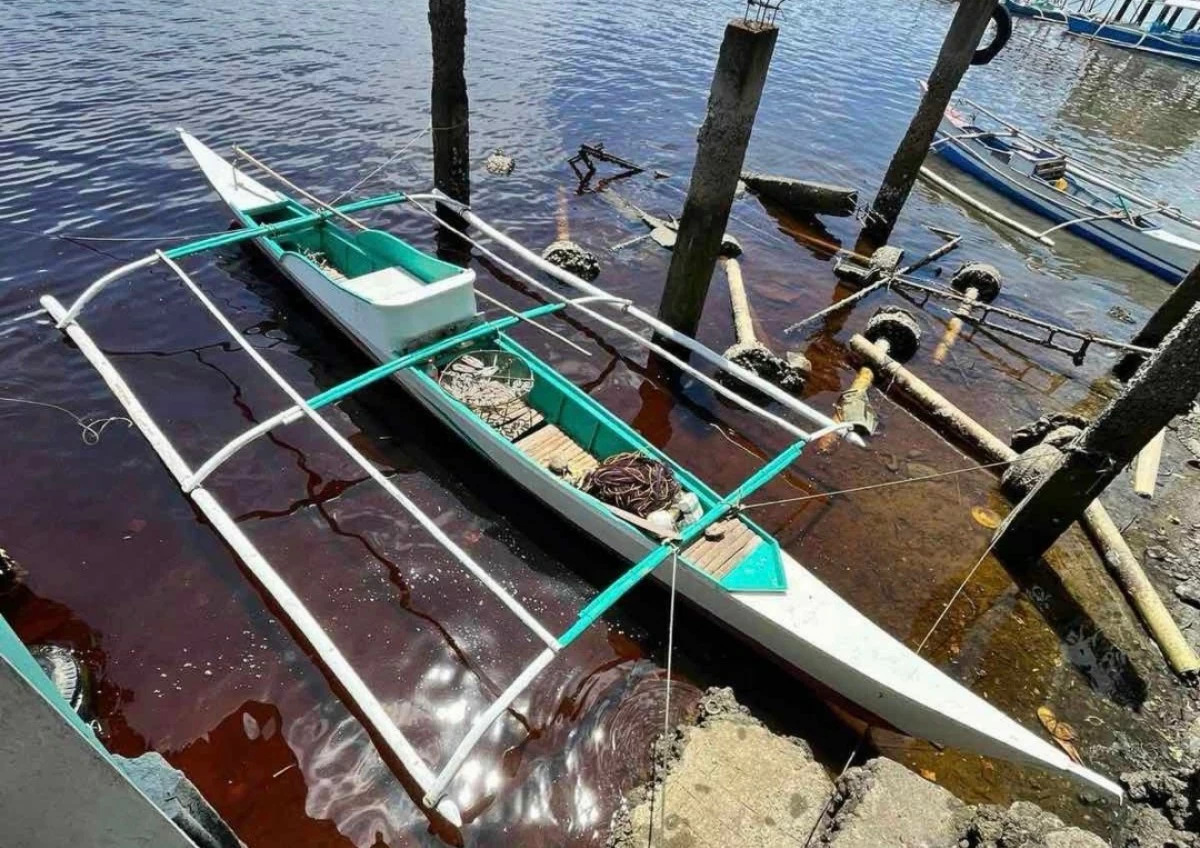
(PHOTO: PAMALAKAYA-NEGROS)
The government should provide economic subsidies, including long-term compensation, to around 3,000 fishers whose livelihoods have been badly affected by the ethanol spill in Bais City, Negros Oriental, progressive group Pambansang Lakas ng Kilusang Mamamalakaya ng Pilipinas (Pamalakaya) said.
According to the fisherfolk group, the affected fishers and their families have been reeling from the effects of the contamination since the ethanol leaked in North Bais Bay on Oct. 27, noting that the majority of fishers in Bais City and Manjuyod town are unable to fish.
“Tiyak na matatagalan bago makabalik sa kabuhayan ang libo-libong mangingisda sa mga bayan ng Bais at Manjuyod (It will surely take a long time before thousands of fishermen in the towns of Bais and Manjuyod can return to their livelihoods),” Pamalakaya-Negros Chairperson Vincent Fernandez said in a statement.
According to the fishers’ group, such is the very reason why the local government and relevant agencies must act swiftly in providing assistance to fishermen unable to resume fishing operations.
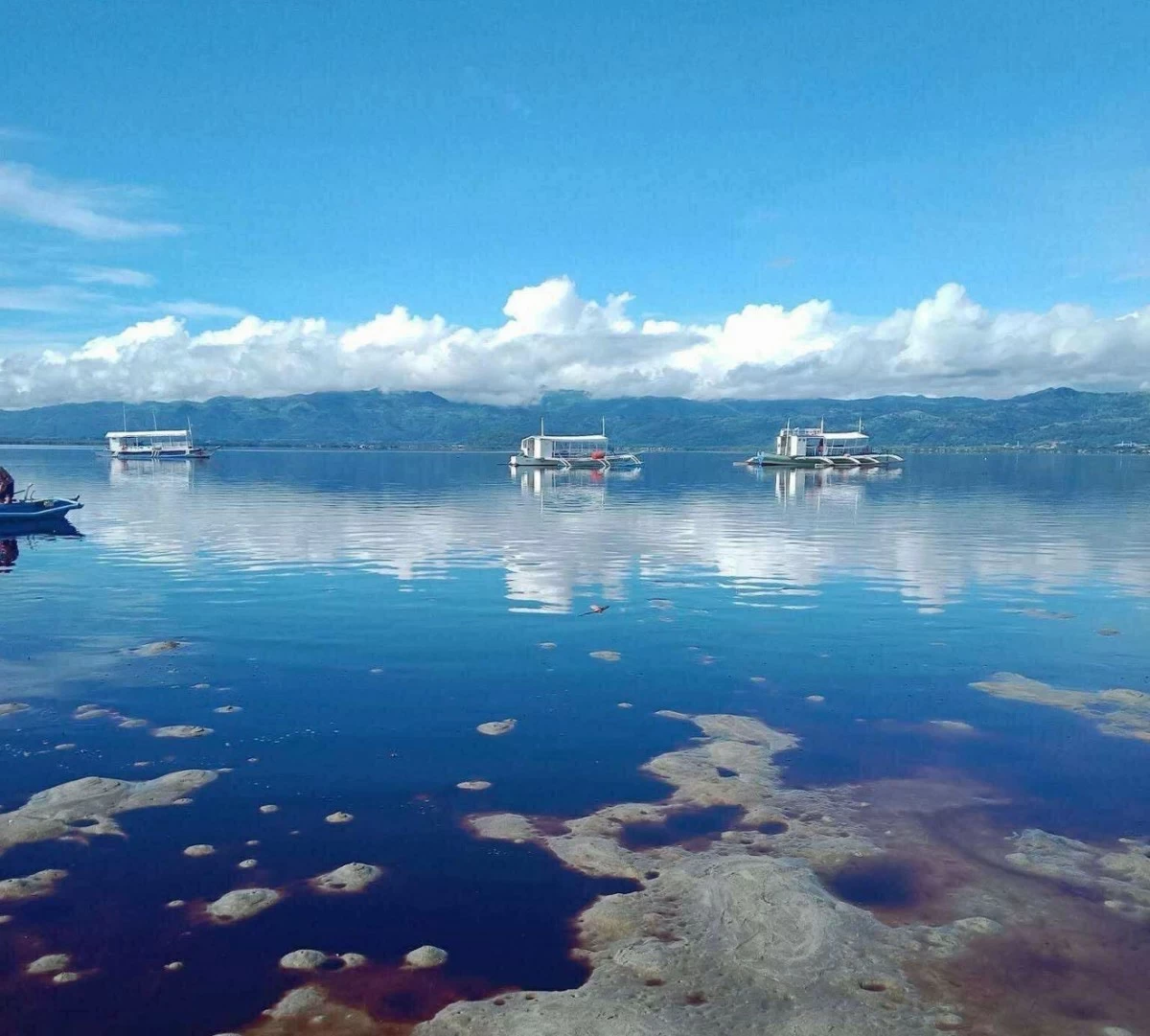
(PHOTO: PAMALAKAYA-NEGROS)
Fernandez said fish kills have started to occur in North Bais Bay, warning that the incident could affect fish production in nearby towns.
“Nagkakaroon na rin ng fish kill sa North Bais Bay na makakaapekto sa produksyon ng isda sa mga karatig-bayan (Fish kill incidents have also been reported in North Bais Bay, which could affect fish production in nearby towns),” he said.
Pamalakaya said it remains in close coordination with its Negros Island chapter for the assessment of the ethanol spill’s impact on fisheries and coastal residents.
“As soon as the report is consolidated, Pamalakaya will reach out to the Bureau of Fisheries and Aquatic Resources (BFAR) and the Department of Environment and Natural Resources (DENR), to seek concrete rehabilitation for the affected livelihood and damaged resources,” it stated.
Likewise, Pamalakaya demanded that the distillery firm be required to pay compensatory damages and cover the expenses for the cleanup of the chemical spill.