







Zambales fishers cite river restoration program
Published Nov 1, 2025 02:40 pm


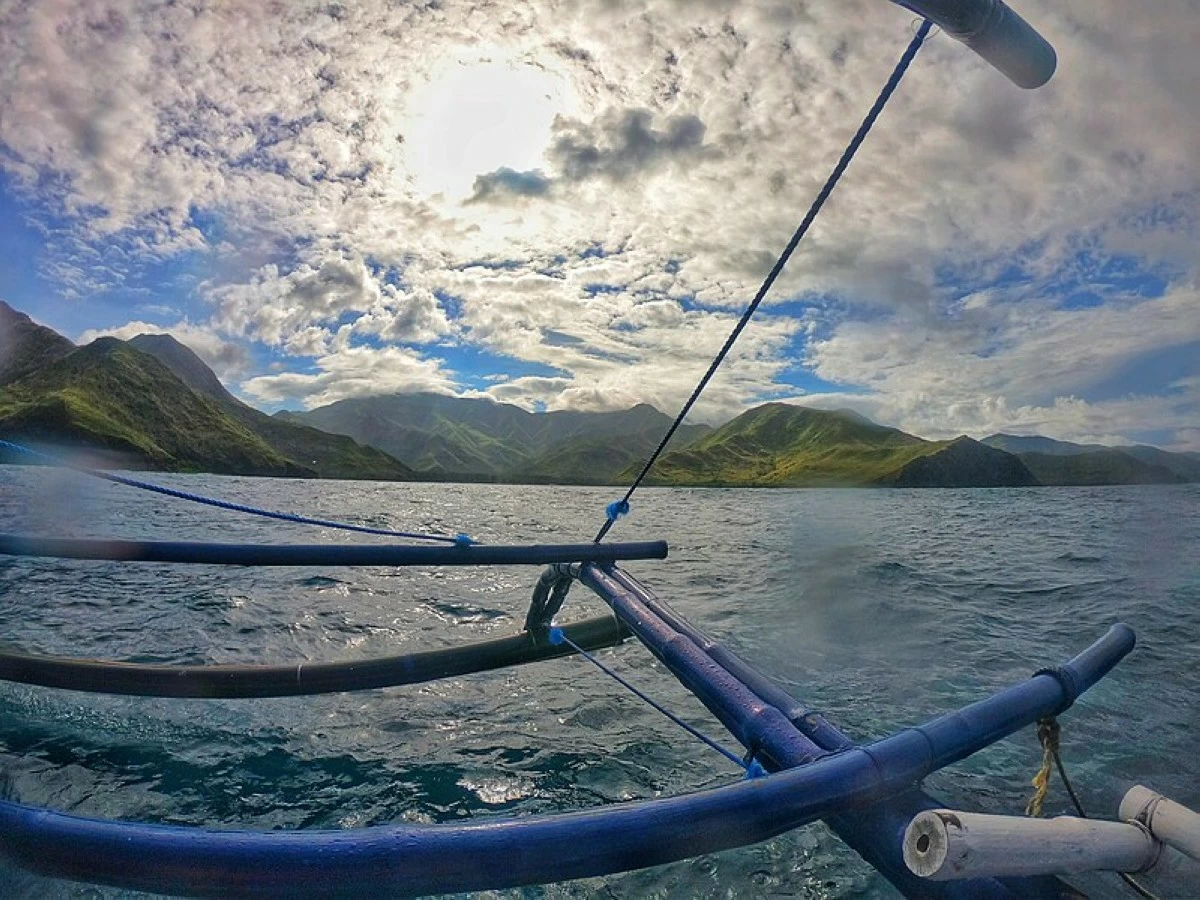
SEA in Zambales (Wikipedia)
Fishing communities and stakeholders in Zambales on Saturday cited the ongoing river restoration program in the province.
A provincial government consultant said the program on the shoreline and the mouth of a major river system is a product of intensive and comprehensive flood control study.
“A brainchild of Gov. Hermogenes Ebdane Jr., the clearing of major river channels – Santo Tomas and Bucao Rivers – of lahar and sand helped to accommodate run off waters from the mountains instead of causing floods in the communities,” Domingo Mariano, engineering and infrastructure development consultant, said in a statement after environmentalists claimed that dredging operations in the municipalities of San Narciso and San Felipe have “destroyed marine habitats, reduced income, and exposed their communities to coastal erosion and sea-level rise.”
Mariano said that in collaboration with the Department of Environment and Natural Resources, Department of Public Works and Highways, Department of Transportation, and local government units, the program was implemented and communities experienced no major flooding since then.
Bernabe Almandres of the Bureau of Fisheries and Aquatic Resources (BFAR) in Zambales said the program enabled the marine habitat on the coastline of San Narciso and San Felipe to thrive.
The area has been a non-functional fishing ground because of the absence of coastal or coral reef, seagrass bed, or mangrove since 2013.
“The program has enabled Bucao River and its adjacent coastal areas to become functional fishing ground for shrimps, ponyfish (sapsap), and swordfish,” Almandres said.
The 28,000-strong Zambales Provincial Fisherfolks Association led by president Paulo Quiteneg thanked Ebdane for helping them have bountiful catch.
Quiteneg said they have encountered no problem in their livelihood allegedly caused by continuous dredging operations.
He said fishing gear distributed by the governor to them enabled them to catch 25 to 30 kilos of fish daily, adding that the program refreshed their fishing grounds, contributing to the increased catch.