







Undas: A time to remember, a time to care for the Earth
Published Nov 1, 2025 12:05 am


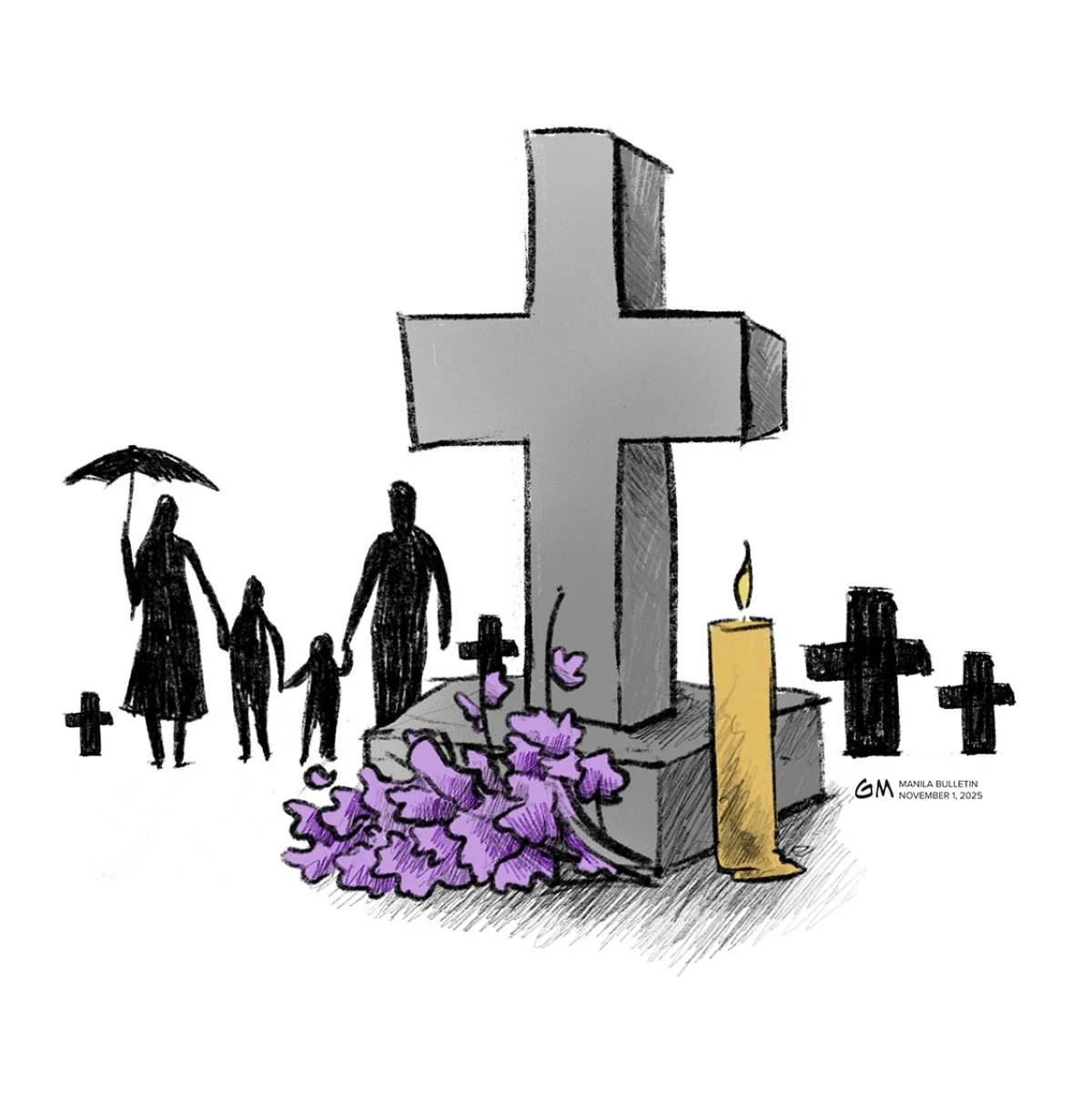
This is the weekend when customs and traditions take over, no matter what the weather will be like, and no matter if reports say the crowds will be thicker this year. The Undas weekend — All Saints’ Day on Nov. 1 and All Souls’ Day on Nov. 2 — remains one of the most cherished observances in the Filipino calendar. Families travel far and wide to be reunited in spirit with their dearly departed, turning cemeteries and memorial parks into places of prayer, reflection, and love.
The term Undas is said to have come from the Spanish word honras or honras fúnebres, meaning funeral honors. Over generations, it evolved into Undas, a uniquely Filipino expression of remembrance. But its essence has never changed — to give honor to those who came before us, to keep their memories alive, and to remind ourselves of the ties that bind families through time and beyond death.
For many Filipinos, Undas is more than a solemn religious occasion — it is a homecoming of hearts. Days before the observance, families begin cleaning and repainting tombs, bringing flowers and candles, and preparing food for offerings. Today, cemeteries come alive with laughter and quiet conversations, as generations gather around graves to share stories, say prayers, and break bread together. Some stay the whole day, others overnight, transforming what could have been a day of mourning into one of love, gratitude, and joyful remembrance.
In many towns and provinces, older traditions endure. Candles are lighted and placed on windowsills to guide souls home. Families hold padasal — prayer gatherings for the souls of the departed. Favorite dishes of loved ones are offered, from suman and kakanin to home-cooked meals, shared among kin and neighbors. The air fills with the scent of melted wax. These are among the signs of how deeply we, Filipinos honor our ancestors — not with grand monuments, but with enduring affection and presence.
Yet each year, as the candles fade and families go home, another image lingers: the heaps of trash left behind. Plastic bags, disposable cups, and food wrappers are scattered around graves and walkways, dulling the beauty of what should be sacred ground. It is a sad irony that a celebration of love and remembrance can leave behind so much waste — much of it plastic that will take centuries to disappear, if at all.
This Undas, let us honor not only our loved ones but also the Earth they once cherished. Let us bring our own reusable containers, water bottles, and utensils. Let us refuse single-use plastics, and take home whatever we brought. Even simple acts — picking up after ourselves, separating waste, or bringing cloth bags — can make a lasting difference.
Our oceans are already burdened by the plastic we throw away. Marine life is suffering, and the very planet that sustains us is asking for care. What better time than Undas — a season of remembrance — to remember our duty as caretakers of creation?
To remember the dead is to cherish life. As we light candles and offer prayers, may we also renew our commitment to live responsibly and kindly. The most meaningful tribute we can give our ancestors is not just flowers and candles, but the promise of a cleaner, gentler world for those who will follow us.
This Undas, may our remembrance be deep, and our actions mindful — for in honoring both the departed and the Earth, we honor the very essence of life itself.