






Manila Bulletin
 Philippines
National
Survey shows half of Filipino families rate themselves poor — SWS
Philippines
National
Survey shows half of Filipino families rate themselves poor — SWS
Philippines
National
Survey shows half of Filipino families rate themselves poor — SWS
Survey shows half of Filipino families rate themselves poor — SWS
Published Oct 30, 2025 04:26 pm


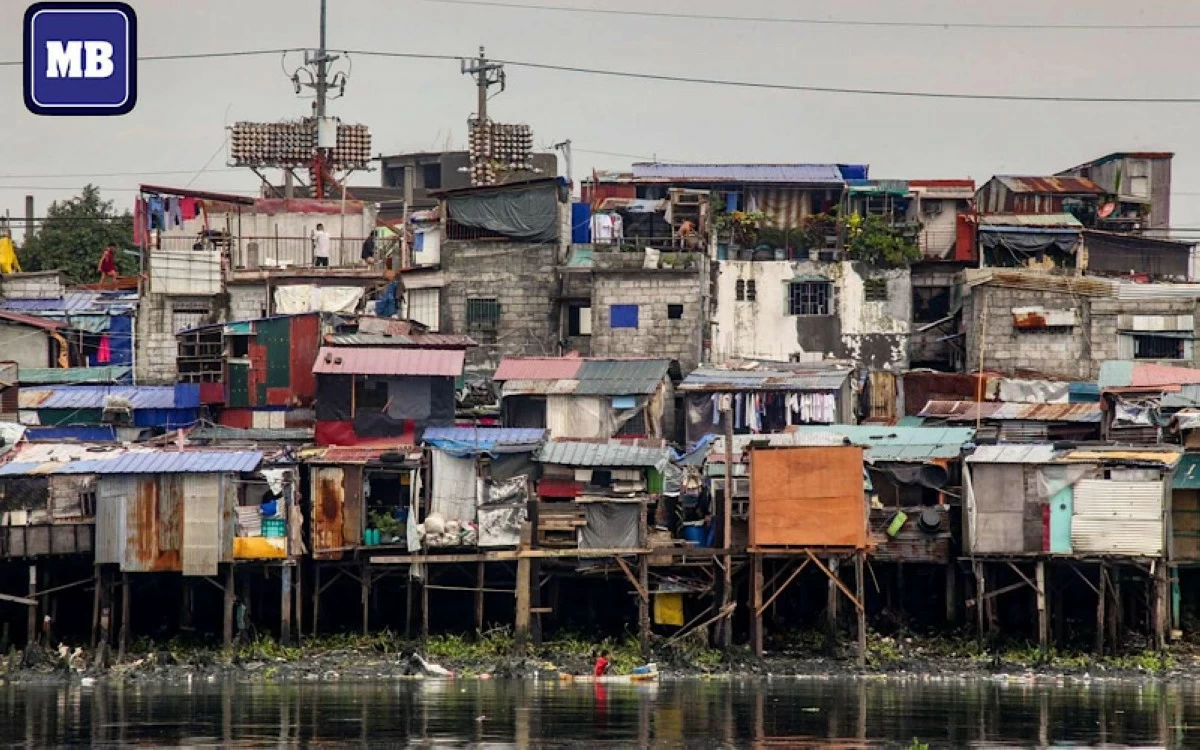
(Manila Bulletin file photo)
Fifty percent of Filipino families rated themselves as poor, 12 percent as “borderline” (between poor and not poor), and 38 percent as not poor, based on the Social Weather Stations (SWS) survey conducted from Sept. 24 to 30.
The results, released on Thursday, Oct. 30, were gathered through face-to-face interviews with 1,500 adults nationwide.
The 50 percent self-rated poverty is up one point from 49 percent in June. This translates to an estimated 14.2 million poor families, up from 13.7 million in the previous quarter.
Meanwhile, borderline families rose from 10 percent to 12 percent, and not poor families fell from 41 percent to 38 percent.
SWS noted that self-rated poverty rose in Metro Manila (36 percent to 43 percent) and Balance Luzon (38 percent to 42 percent), fell in the Visayas (60 percent to 54 percent), and remained steady in Mindanao at 69 percent.
Among self-rated poor families, 5.7 percent were “newly poor” (families who were non-poor one to four years ago), 8.7 percent “usually poor” (families who were non-poor five or more years ago), and 36 percent “always poor” (families who have never been non-poor), representing 1.6 million, 2.4 million, and 10.1 million families, respectively.
Compared to June, the share of newly poor rose slightly from 5.5 percent, while usually poor and always poor remained largely unchanged at 8.5 percent and 36 percent, respectively.
On food-related poverty, 41 percent of families rated themselves “food-poor,” equivalent to 11.5 million families.
Food-poor refers to families who consider the types or amount of food they eat as insufficient for their needs.
Meanwhile, 11 percent rated themselves as “food borderline,” and 47 percent as “not food-poor.”
SWS said food-poor families increased in Metro Manila (31 percent to 35 percent), fell in the Visayas (44 percent to 40 percent), and remained nearly the same in Balance Luzon (34 percent to 33 percent) and Mindanao (60 percent).