






Manila Bulletin
 Business
The Economy
BSP: October inflation may have accelerated to 2.2% on weaker peso, higher food costs
Business
The Economy
BSP: October inflation may have accelerated to 2.2% on weaker peso, higher food costs
Business
The Economy
BSP: October inflation may have accelerated to 2.2% on weaker peso, higher food costs
BSP: October inflation may have accelerated to 2.2% on weaker peso, higher food costs
By Derco Rosal
Published Oct 30, 2025 01:30 pm


At A Glance
- Peso depreciation, alongside higher prices of basic consumer goods and electricity, might have pushed the inflation rate to between 1.4 percent and 2.2 percent in October, according to the Bangko Sentral ng Pilipinas (BSP).
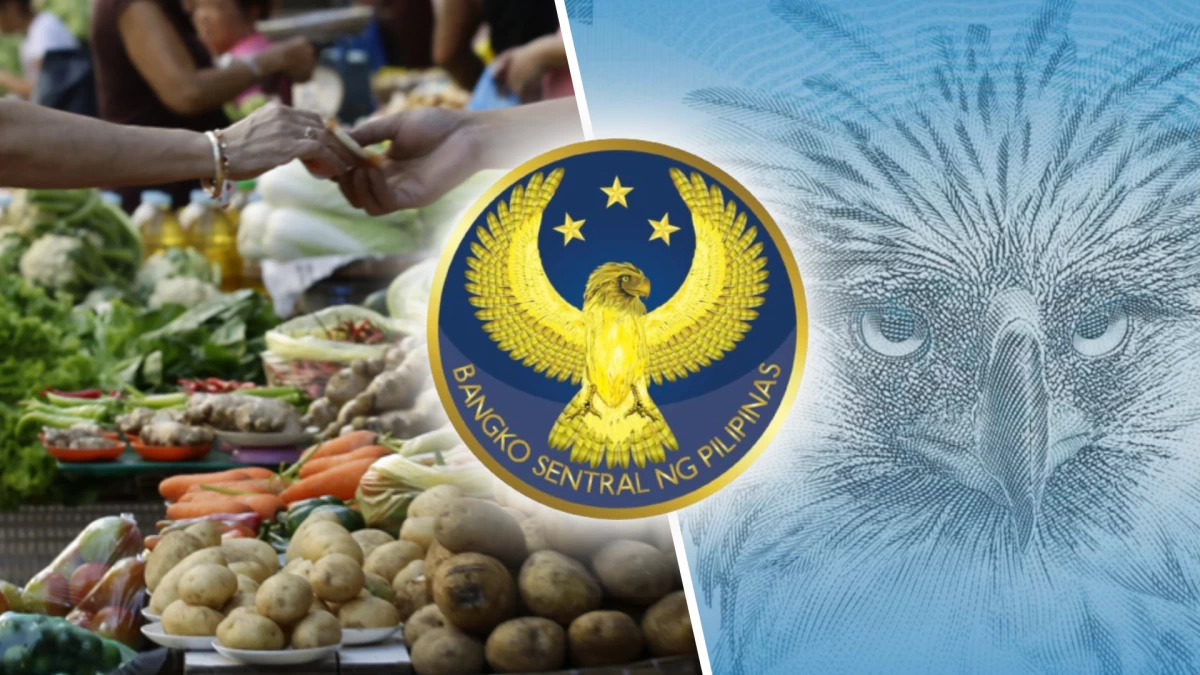
Peso depreciation, alongside higher prices of basic consumer goods and electricity, might have pushed the inflation rate to between 1.4 percent and 2.2 percent in October, according to the Bangko Sentral ng Pilipinas (BSP).
“Upward price pressures for the month may stem from higher prices of rice, fish, vegetables, and electricity, as well as the depreciation of the peso,” the BSP said in a statement released on Thursday, Oct. 30.
Peso depreciation fuels inflation as it raises import and production costs, making goods and services more expensive. To recall, the peso fluctuated between a high of ₱57.875:$1 and a low of ₱58.9:$1 during the month, before hitting its weakest-ever level of ₱59.13:$1 last Tuesday, Oct. 28.
However, lower prices of oil, meat, and fruits are seen to “partially” offset these pressures, the central bank noted.
The lower end of the BSP’s inflation forecast is well below the lower bound of its two- to four-percent target band and the 1.7-percent actual inflation rate in September. The upper end falls within the target band but remains higher than the actual price movement last month.
“Going forward, the BSP will continue to monitor evolving domestic and international developments affecting the outlook for inflation and growth, in line with its data-dependent approach to monetary policy formulation,” it said.
Michael Ricafort, chief economist at Rizal Commercial Banking Corp. (RCBC), estimates inflation rose slightly to 1.8 percent in October, as the three-month import ban to support local farmers may have caused a modest uptick in domestic rice prices.
Ricafort said potential risks to inflation include volatility in global oil prices amid geopolitical tensions, a weaker peso that could raise import costs, and weather disturbances such as typhoons and La Niña, which may disrupt food supply.
For the entire year, however, Ricafort still expects price movements to settle at 1.7 percent—below the BSP’s target band of annual price increases deemed conducive to economic growth.