







10,000 bangus fingerlings die from Bais waste spill
Published Oct 30, 2025 09:34 pm


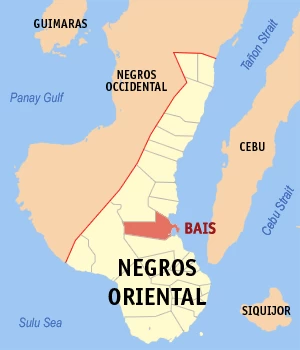
DUMAGUETE CITY – The provincial government of Negros Oriental has suffered losses after an estimated 10,000 milkfish (bangus) fingerlings died from exposure to wastewater spillage in Bais City.
Provincial Agriculture Office (PAO) chief Emmanuel Caduyac told the Philippine News Agency on Thursday that the bangus fingerlings, measuring some four inches, were contained in three of 11 ponds at the Provincial Aquaculture Complex in Barangay Panambalon.
“The bangus fries appear to have died due to lack of oxygen after wastewater spillage from the nearby ethanol plant found its way into our ponds,” Caduyac said.
The decades-old aquaculture project supplies affordable fingerlings to local milkfish growers and sells harvested bangus at market prices to generate revenue for the provincial government.
Fingerlings are sold at P1 each, while market prices for milkfish range from P200 to P220 per kilo.
Although the fingerlings’ death represents a minimal direct loss, Caduyac estimated that had the fish matured to market size, the total value could have reached P500,000 or more.
The PAO is now working to rehabilitate the affected ponds and resume milkfish breeding, which requires a mix of seawater and freshwater.
However, the agency faces a challenge as seawater from Bais Bay remains contaminated with “spent wash” from a recent wastewater spill at United Robina Corp.’s (URC) Bais Distillery.
Meanwhile, the environmental advocacy group Kahugpungan para sa Kinabuhi ug Kinaiyahan Inc. (Kinaiyahan) called on the URC, regulatory agencies, and responsible stakeholders “to act swiftly and decisively” in relation to the wastewater spillage in Bais Bay.
The group called for transparency and accountability, urging URC to release the full details of the incident and for the Department of Environment and Natural Resources and its Environmental Management Bureau to publish their investigation findings.
Kinaiyahan also called for a “robust” clean-up of the contaminated sea and land areas, compensation for impacted communities, and stronger environmental safeguards to prevent similar (PNA)