






Manila Bulletin
 Philippines
National
Teachers' group slams 'gross negligence' in 2025 school building projects; calls for accountability from DPWH
Philippines
National
Teachers' group slams 'gross negligence' in 2025 school building projects; calls for accountability from DPWH
Philippines
National
Teachers' group slams 'gross negligence' in 2025 school building projects; calls for accountability from DPWH
Teachers' group slams 'gross negligence' in 2025 school building projects; calls for accountability from DPWH
Published Oct 29, 2025 03:09 pm


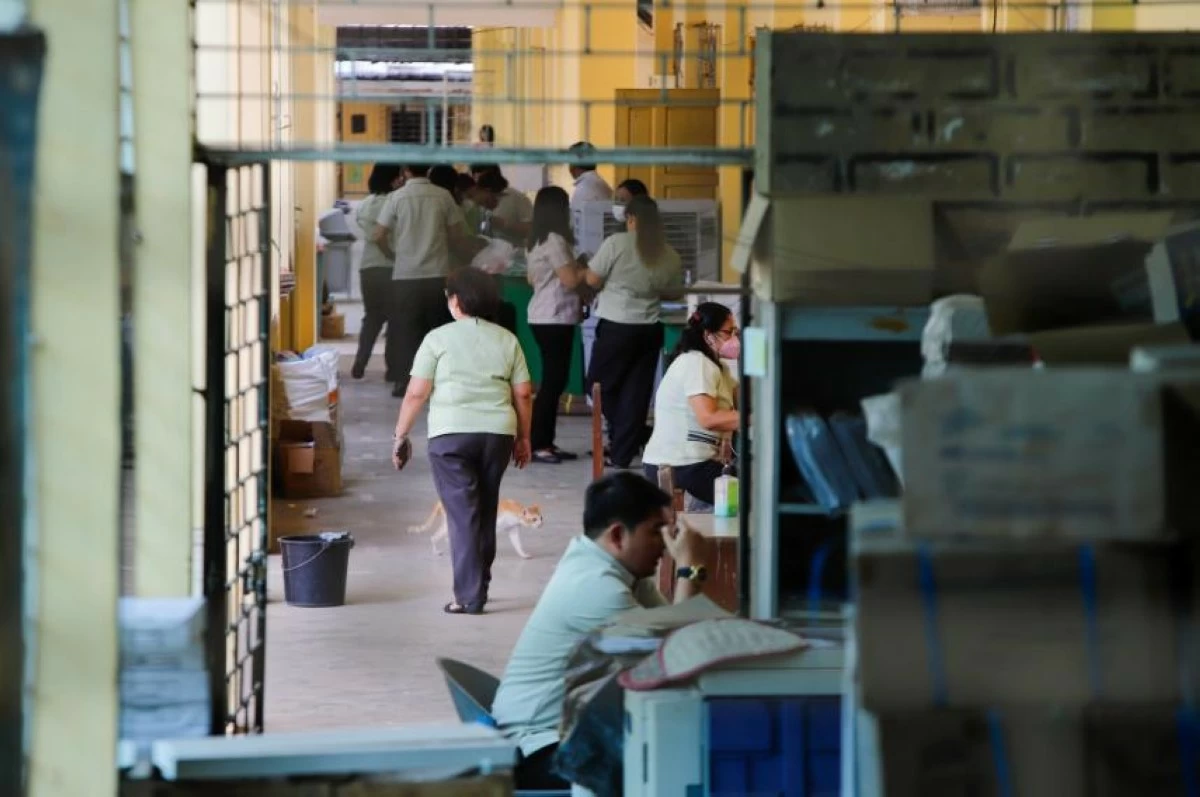
Teachers’ Dignity Coalition (TDC) calls out the Department of Public Works and Highways (DPWH) for alleged “gross negligence” in school building projects, urging transparency and accountability amid persistent classroom shortages. (Manila Bulletin / file)
A group of teachers slammed the Department of Public Works and Highways (DPWH) for what it described as “gross negligence” in the implementation of school building projects nationwide, calling for transparency and accountability from the agency amid persistent delays and substandard classroom constructions affecting public schools.
The Teachers’ Dignity Coalition (TDC), in a statement issued on October 28, called for greater transparency and accountability from the DPWH over the agency’s “failure” to properly implement classroom construction projects across the country.
TDC national chairperson Benjo Basas said the latest DPWH data revealed a serious problem in project implementation—particularly in addressing the long-standing classroom shortage.
“Napakaliit ng target para sa taong 2025 na nasa 1,700 classrooms lamang kumpara sa humigit-kumulang 150,000 na backlog sa buong bansa (The target for 2025 is extremely small—only 1,700 classrooms compared to the nationwide backlog of around 150,000),” Basas said.
“At ang mas nakagagalit dito, dalawampu’t dalawa lamang ang natapos (And what’s even more infuriating is that only twenty-two were completed),” Basas added, citing data presented during the Senate hearing on the DPWH budget last week.
DPWH officials must be held ‘accountable’
Basas stressed that DPWH officials, lawmakers, and contractors involved in corruption must face consequences.
He pointed to persistent irregularities in public infrastructure projects, particularly flood control programs allegedly used as “cash cows” by corrupt individuals.
“Hindi na ito maikakaila, isang miyembro na ng sindikato ang umamin na kinukupitan nila ang pondo kahit sa school building kaya substandard ang naipatatayong gusali, kahit ospital (This can no longer be denied—a member of the syndicate has admitted to siphoning off funds even from school building projects, which is why the structures being built are substandard, even hospitals),” said Basas, referring to the revelations made by Bryce Hernandez, former assistant district engineer in Bulacan.
According to Basas, the issue goes beyond poor project management—it reflects misplaced government priorities.
“Ang pondo na dapat sana ay napupunta sa edukasyon at kalusugan ay nalilihis patungo sa mga proyektong hindi lubos na kailangan, at pinakamasama, ay ninanakaw lang ng iilan (Funds that should have gone to education and healthcare are being diverted to projects that are not truly necessary—and worst of all, are simply being stolen by a few),” he added.
Education budget overshadowed by DPWH funds
The TDC noted that the low classroom output of DPWH is tied to broader problems in the 2025 national budget, which the group recently questioned before the Supreme Court.
Basas said it is alarming that the total allocation for DPWH exceeds the combined budgets of education agencies such as DepEd, CHED, and TESDA.
“Ang pondo para sa edukasyon ay dapat nakikita sa aktuwal na benepisyo sa mga paaralan—sa mga gusali, aklat, teknolohiya, at sa kapakanan ng mga guro at mag-aaral (Funds for education should be reflected in tangible benefits for schools—in buildings, books, technology, and the welfare of teachers and students),” Basas said.
But this, he alleged, was disregarded in the 2025 national budget, where the allocation for the DPWH exceeded the combined budgets of all education agencies.
“Ngayon, malinaw na nakikita natin ang epekto nito—maling alokasyon at kapalpakan sa implementasyon (Now, we clearly see the consequences—misallocation and failure in implementation),” he added.
TDC backs classroom construction reforms but warns vs private control
While the coalition supports efforts to accelerate classroom construction and involve local governments or DepEd in implementation, it cautioned against excessive reliance on private contractors.
“Totoo na mas mabilis at mas matipid kung isasagawa ng DepEd, LGU, o mga NGO na may kakayahan at track record ang pagpapatayo ng mga classroom (It’s true that building classrooms is faster and more cost-efficient when done by the DepEd, LGUs, or NGOs with the capability and proven track record),” Basas said.
“Ngunit kung ipauubaya ito sa mga pribadong korporasyon, mas malaki ang posibilidad na tubo ang uunahin kaysa sa serbisyo (But if entrusted to private corporations, there’s a greater likelihood that profit will be prioritized over service),” he added.
The group said the Marcos administration must fully fund public education projects instead of depending on private partnerships.
For Basas, the Classroom Building Acceleration Bill should ensure that government funds address the actual needs of the education system and that taxpayers’ money—especially those of teachers, workers, and citizens—never again ends up in the pockets of the corrupt.
Call for vigilance against corruption
The TDC urged teachers and the public to remain vigilant and demand accountability from officials involved in corruption in infrastructure projects.
“Patuloy na nananawagan ang TDC sa mga guro at sa taumbayan na maging mapagbantay at lumahok sa mga pagkilos laban sa katiwalian hanggang sa may managot sa pandarambong (TDC will continue to call on teachers and the public to remain vigilant and actively participate in actions against corruption until those responsible for plunder are held accountable),” Basas concluded.