






 Business
Banking & Finance
Salmon Bank eyes thrift banking license in 2026 with ₱1.2-billion capital plan
Business
Banking & Finance
Salmon Bank eyes thrift banking license in 2026 with ₱1.2-billion capital plan
Salmon Bank eyes thrift banking license in 2026 with ₱1.2-billion capital plan
By Derco Rosal


At A Glance
- Salmon Bank said it is preparing to secure a thrift banking license next year, which would require injecting at least ₱1.2 billion into its capital.
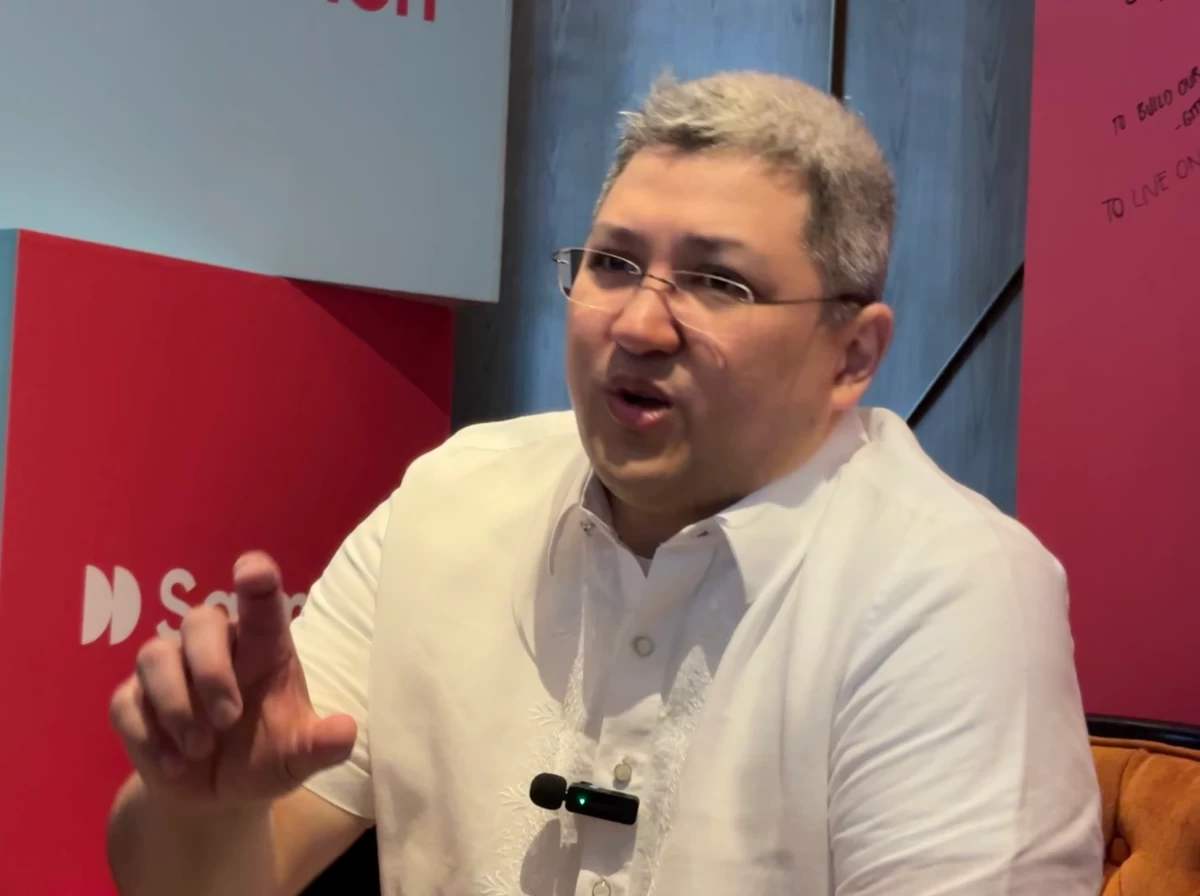
Salmon Bank said it is preparing to secure a thrift banking license next year, which would require injecting at least ₱1.2 billion into its capital.
“We continue to prepare ourselves to apply for a thrift bank [license] next year. In terms of capital, we’re already there. We meet the minimum capital required for a thrift bank. But we want to make sure we complete key investments in people and technology before we apply,” Salmon Bank co-founder and chairman Raffy Montemayor said during a roundtable discussion with the media on Wednesday, Oct. 29.
Salmon Bank plans to infuse around ₱600 million into its banking unit by the end of 2025, and another ₱600 million in 2026.
By end-2026, the bank’s capitalization is expected to reach roughly ₱2 billion, with additional infusions to be made depending on its growth pace. “If the bank grows faster, then we’ll inject more,” Montemayor said.
Montemayor reported that the bank doubled its deposits to ₱1.8 billion in the third quarter of 2025 from ₱952.4 million in the second quarter.
Loans also jumped by 31.4 percent to ₱1.6 billion in the third quarter from ₱1.2 billion in the previous quarter.
As of end-August, the bank’s net income reached ₱189 million. Montemayor said the focus is on the top line, the growing deposits, and the profitable loans the bank is delivering.
As of end-September, the bank’s loan book stood at ₱1.6 billion.
Under the 2022 Manual of Regulations for Banks (MORB), thrift banks are required to have at least ₱500 million in capital if they only have a head office in Metro Manila, ₱750 million if they have up to 10 branches, ₱1 billion for those with 11 to 50 branches, and ₱2 billion for those with more than 50 branches.
Salmon Bank said it is ready to have ₱1 billion in capital should it be assessed by the Bangko Sentral ng Pilipinas (BSP) to have a higher threshold in terms of digital centricity.
Thrift, rural, or cooperative banks under the Tier 3 category—where at least 75 percent of clients, funds, or transactions are handled digitally—may be required by the BSP to convert into digital banks, which must meet a minimum capital of ₱1 billion.
“We will reach ₱1 billion before the year ends, even before we hit that threshold. We’re being prudent and conservative in our approach so that even if we’re assessed under a higher threshold, the bank is already prepared and compliant with the regulation,” he said.
Montemayor also said an advanced Electronic Payment and Financial Services (EPFS) application was filed with the BSP in August, a move that would enhance daily banking processes.