ADVERTISEMENT

Not just electric, but intelligent: Meet the Oral-B iO Series

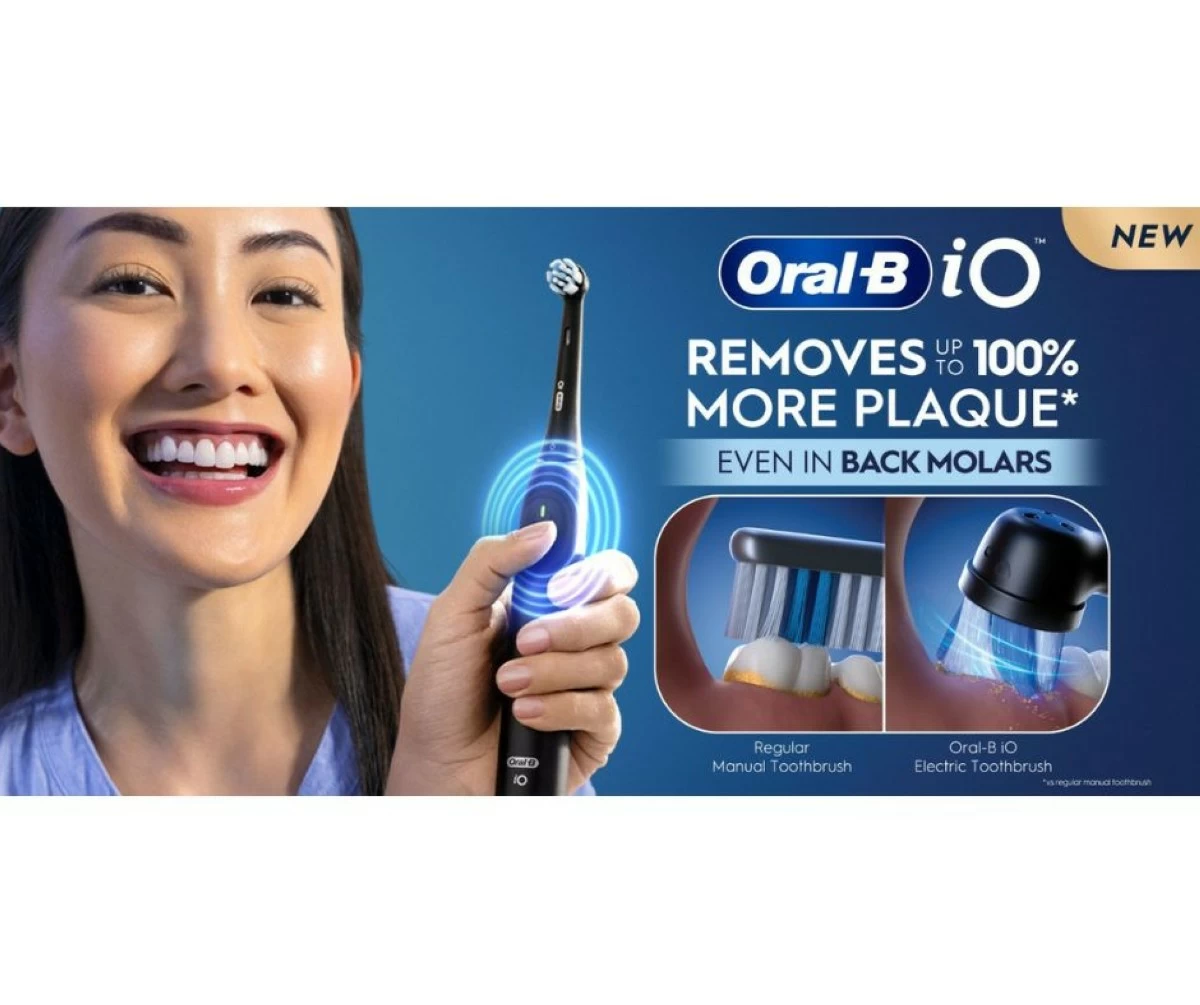
Oral-B's new smart toothbrush changes the way you care for your teeth with a dentist-like clean that removes up to 100% more plaque

By MBrand
Published Oct 29, 2025 03:51 pm
We upgrade our phones, skincare routines, and even what we eat. But did you know that you also can—and should—upgrade your toothbrush?
The new Oral-B iO Series, featuring the iO2 and iO3, is here to change the way we brush and clean our teeth. Designed by dentists to deliver a dentist-like clean right at home, this line of toothbrushes is powered by the most advanced technology that truly redefines overall oral care.
So what makes the Oral-B iO Series different?
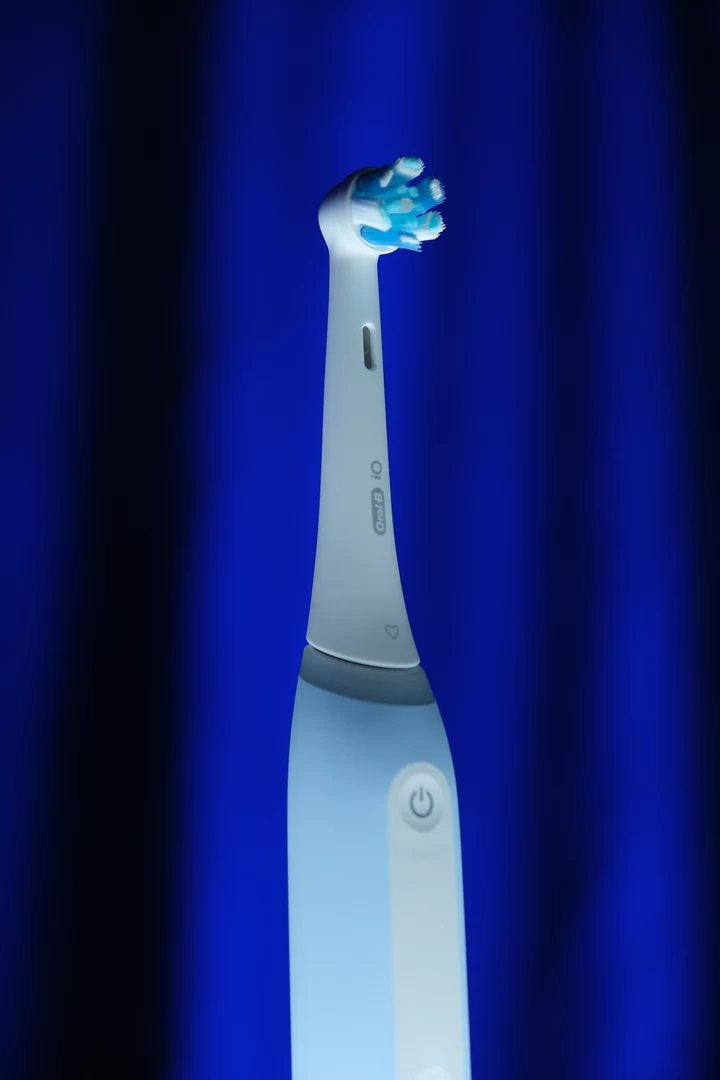
It’s not just electric, it’s intelligent.
iO stands for “intelligent oscillation” because it has the best micropulsation feature, similar to the tool dentists use in teeth cleaning. It also has a dentist-approved round brush head that can remove up to 100% more plaque, especially in hard-to-reach areas that most manual toothbrushes aren’t able to clean properly, such as back molars.
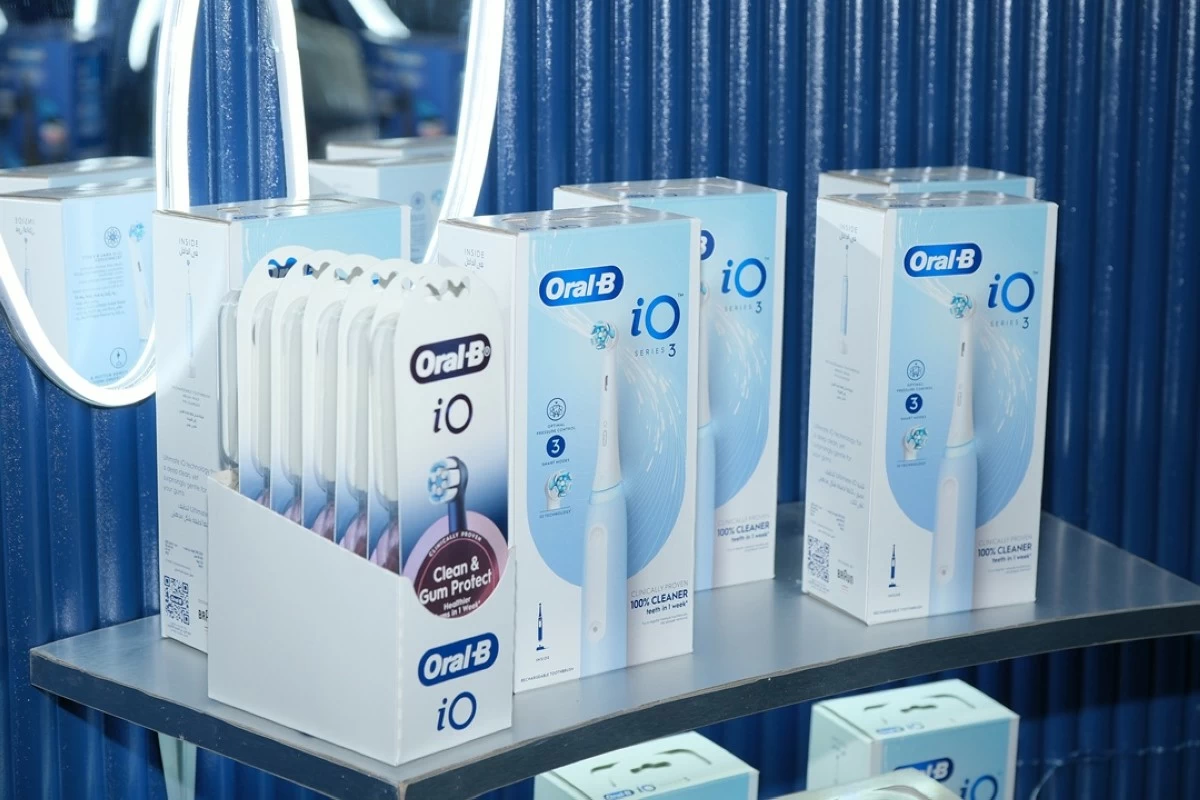
The Oral-B iO Series goes beyond being electric-powered, it can protect your gums too. The Smart Pressure sensor lights up red when you’re brushing too hard, white when it’s light, and green when it’s just right. This ensures that you’re not just cleaning thoroughly, but also gently.
The result? A smooth, dentist-like clean after every brush.
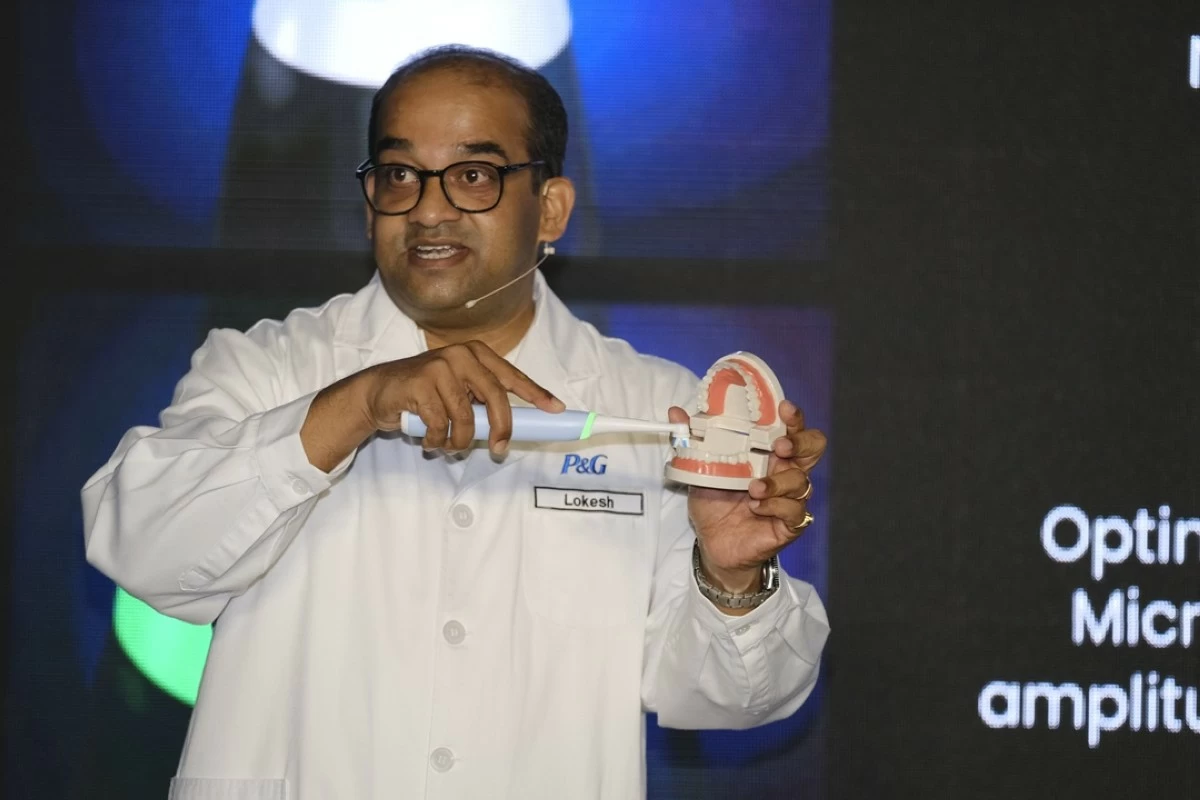
See It To Believe It: The Oral-B iO Experience
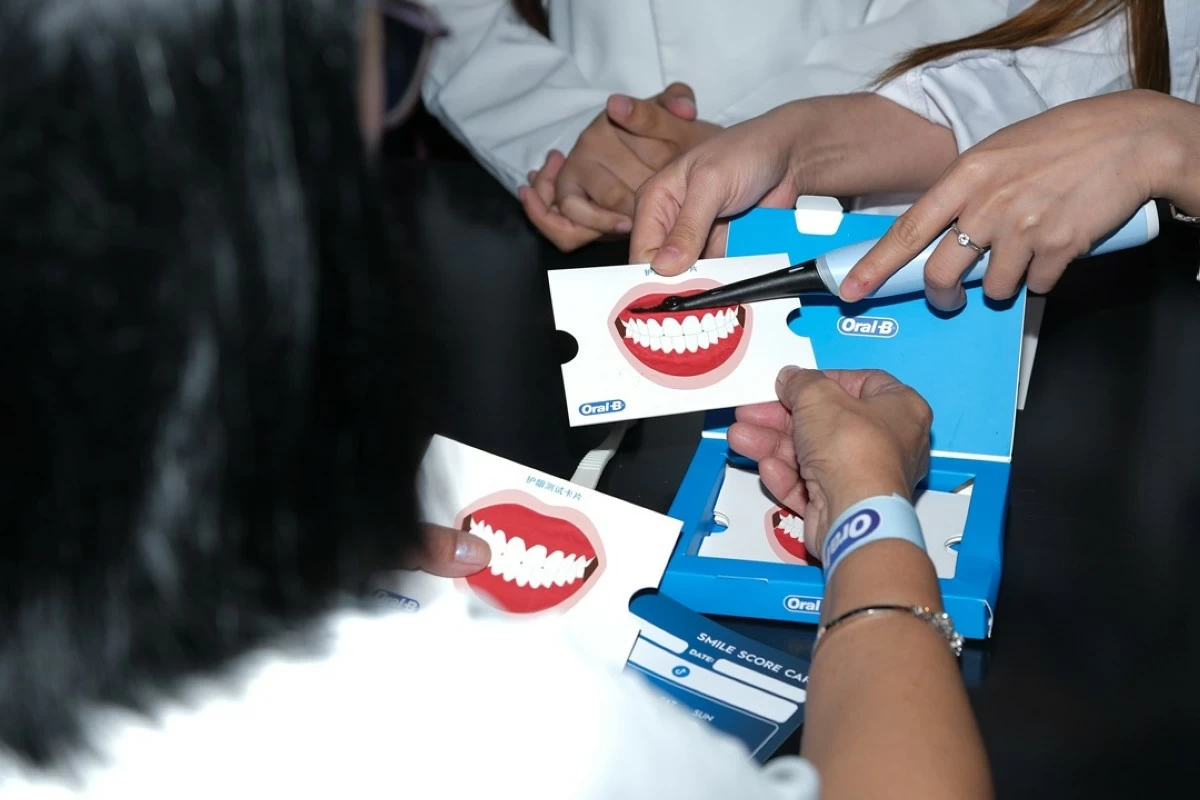
During the Oral-B: The iO Experience launch event at The Mind Museum in BGC on October 17, 2025, guests stepped into the Oral-B iO Innovation Lab, an interactive experience where dentists and guests tested the iO Series compared to regular toothbrushes.
Through plaque removal demos, side-by-side feel tests, and real-time comparisons, the iO proved to be an upgrade for one’s oral care routine.
“People don’t realize that brushing with a manual toothbrush, even when done three times a day, is not enough. Plaque and cavities still build up and hide in the back molars, which are the hardest areas to clean and reach with manual toothbrushes,” shared Nicole Fauni, Brand Director for Oral-B. “With the Oral-B iO Series, it’s like you’re going to the dentist every day with the way it cleans and protects your teeth in just a few clicks. The brush head does the work for you.”
You’ve upgraded everything else in your life. Don’t let your toothbrush be the only holdout. If you’re ready to clean better and smarter, it’s time to upgrade to the most advanced Oral-B iO Series — because clean and healthy teeth start with the right brush.
The Oral-B iO Series is now available in leading retailers nationwide.

Related Tags

Health and Wellness Oral-B
ADVERTISEMENT
.most-popular .layout-ratio{ padding-bottom: 79.13%; } @media (min-width: 768px) and (max-width: 1024px) { .widget-title { font-size: 15px !important; } }

{{ articles_filter_1561_widget.title }}

.most-popular .layout-ratio{ padding-bottom: 79.13%; } @media (min-width: 768px) and (max-width: 1024px) { .widget-title { font-size: 15px !important; } }

{{ articles_filter_1562_widget.title }}

.most-popular .layout-ratio{ padding-bottom: 79.13%; } @media (min-width: 768px) and (max-width: 1024px) { .widget-title { font-size: 15px !important; } }

{{ articles_filter_1563_widget.title }}

{{ articles_filter_1564_widget.title }}

.mb-article-details { position: relative; } .mb-article-details .article-body-preview, .mb-article-details .article-body-summary{ font-size: 17px; line-height: 30px; font-family: "Libre Caslon Text", serif; color: #000; } .mb-article-details .article-body-preview iframe , .mb-article-details .article-body-summary iframe{ width: 100%; margin: auto; } .read-more-background { background: linear-gradient(180deg, color(display-p3 1.000 1.000 1.000 / 0) 13.75%, color(display-p3 1.000 1.000 1.000 / 0.8) 30.79%, color(display-p3 1.000 1.000 1.000) 72.5%); position: absolute; height: 200px; width: 100%; bottom: 0; display: flex; justify-content: center; align-items: center; padding: 0; } .read-more-background a{ color: #000; } .read-more-btn { padding: 17px 45px; font-family: Inter; font-weight: 700; font-size: 18px; line-height: 16px; text-align: center; vertical-align: middle; border: 1px solid black; background-color: white; } .hidden { display: none; }
function initializeAllSwipers() { // Get all hidden inputs with cms_article_id document.querySelectorAll('[id^="cms_article_id_"]').forEach(function (input) { const cmsArticleId = input.value; const articleSelector = '#article-' + cmsArticleId + ' .body_images'; const swiperElement = document.querySelector(articleSelector); if (swiperElement && !swiperElement.classList.contains('swiper-initialized')) { new Swiper(articleSelector, { loop: true, pagination: false, navigation: { nextEl: '#article-' + cmsArticleId + ' .swiper-button-next', prevEl: '#article-' + cmsArticleId + ' .swiper-button-prev', }, }); } }); } setTimeout(initializeAllSwipers, 3000); const intersectionObserver = new IntersectionObserver( (entries) => { entries.forEach((entry) => { if (entry.isIntersecting) { const newUrl = entry.target.getAttribute("data-url"); if (newUrl) { history.pushState(null, null, newUrl); let article = entry.target; // Extract metadata const author = article.querySelector('.author-section').textContent.replace('By', '').trim(); const section = article.querySelector('.section-info ').textContent.replace(' ', ' '); const title = article.querySelector('.article-title h1').textContent; // Parse URL for Chartbeat path format const parsedUrl = new URL(newUrl, window.location.origin); const cleanUrl = parsedUrl.host + parsedUrl.pathname; // Update Chartbeat configuration if (typeof window._sf_async_config !== 'undefined') { window._sf_async_config.path = cleanUrl; window._sf_async_config.sections = section; window._sf_async_config.authors = author; } // Track virtual page view with Chartbeat if (typeof pSUPERFLY !== 'undefined' && typeof pSUPERFLY.virtualPage === 'function') { try { pSUPERFLY.virtualPage({ path: cleanUrl, title: title, sections: section, authors: author }); } catch (error) { console.error('ping error', error); } } // Optional: Update document title if (title && title !== document.title) { document.title = title; } } } }); }, { threshold: 0.1 } ); function showArticleBody(button) { const article = button.closest("article"); const summary = article.querySelector(".article-body-summary"); const body = article.querySelector(".article-body-preview"); const readMoreSection = article.querySelector(".read-more-background"); // Hide summary and read-more section summary.style.display = "none"; readMoreSection.style.display = "none"; // Show the full article body body.classList.remove("hidden"); } document.addEventListener("DOMContentLoaded", () => { let loadCount = 0; // Track how many times articles are loaded const offset = [1, 2, 3, 4, 5, 6, 7, 8, 9, 10]; // Offset values const currentUrl = window.location.pathname.substring(1); let isLoading = false; // Prevent multiple calls if (!currentUrl) { console.log("Current URL is invalid."); return; } const sentinel = document.getElementById("load-more-sentinel"); if (!sentinel) { console.log("Sentinel element not found."); return; } function isSentinelVisible() { const rect = sentinel.getBoundingClientRect(); return ( rect.top < window.innerHeight && rect.bottom >= 0 ); } function onScroll() { if (isLoading) return; if (isSentinelVisible()) { if (loadCount >= offset.length) { console.log("Maximum load attempts reached."); window.removeEventListener("scroll", onScroll); return; } isLoading = true; const currentOffset = offset[loadCount]; window.loadMoreItems().then(() => { let article = document.querySelector('#widget_1690 > div:nth-last-of-type(2) article'); intersectionObserver.observe(article) loadCount++; }).catch(error => { console.error("Error loading more items:", error); }).finally(() => { isLoading = false; }); } } window.addEventListener("scroll", onScroll); });

Sign up by email to receive news.