






Manila Bulletin
 Philippines
National
Estrada wants Senate probe on status of AFP Modernization Program
Philippines
National
Estrada wants Senate probe on status of AFP Modernization Program
Philippines
National
Estrada wants Senate probe on status of AFP Modernization Program
Estrada wants Senate probe on status of AFP Modernization Program
Published Oct 29, 2025 01:37 pm


At A Glance
- Senator Jinggoy Ejercito Estrada has filed a resolution asking the Senate to examine the implementation of the Armed Forces of the Philippines (AFP) Modernization Program which he noted is seemingly moving at a slow pace.
Senator Jinggoy Ejercito Estrada has filed a resolution asking the Senate to examine the implementation of the Armed Forces of the Philippines (AFP) Modernization Program which he noted is seemingly moving at a slow pace.
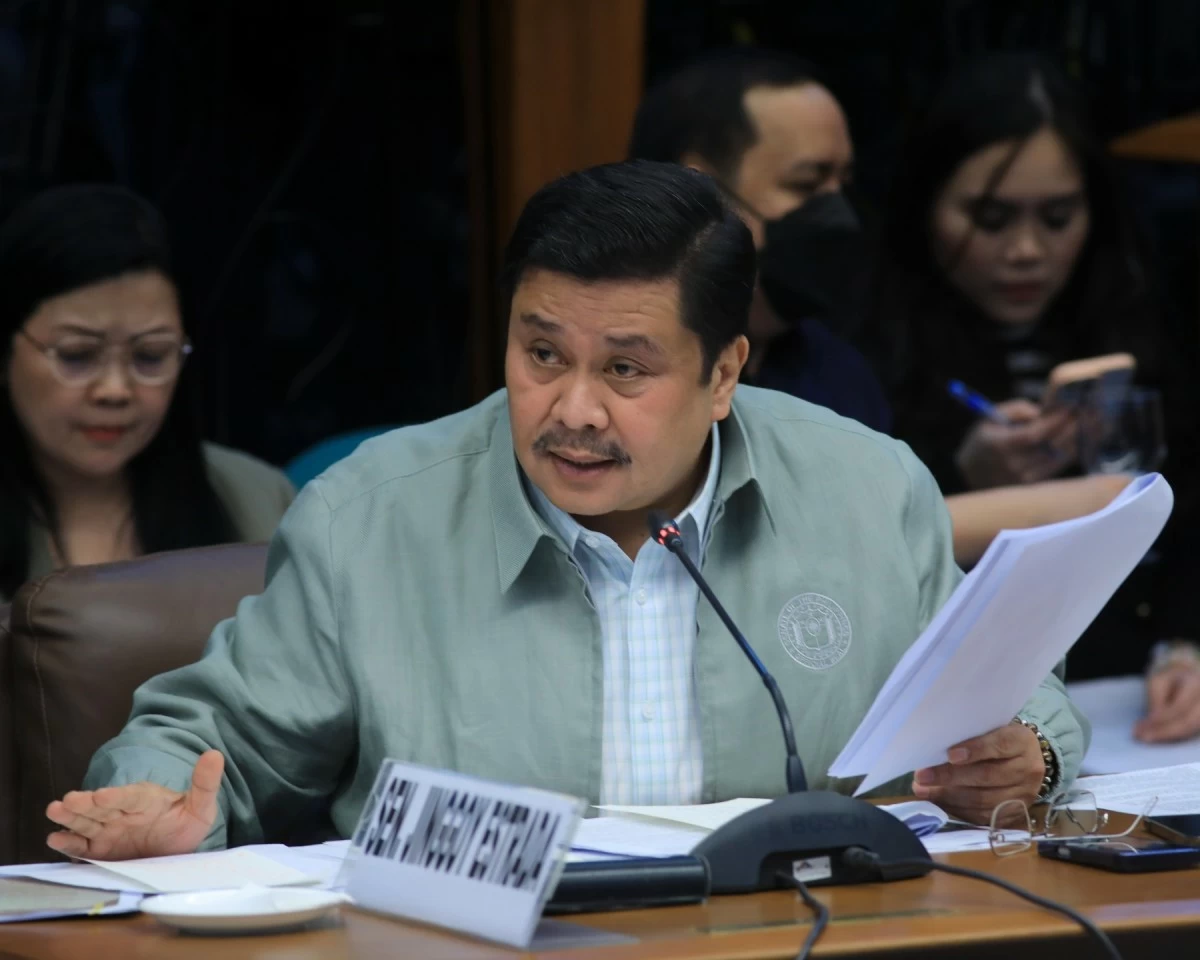
Estrada, in filing Senate Resolution No. 161, said there is a necessity for the Upper Chamber to exercise its oversight function in examining the status of the AFP Modernization program in light of the persistent acts of harassment against Filipino fishermen and maritime personnel and the escalating tensions in the West Philippine Sea.
The senator said the measure aims to identify possible legislative interventions to enhance the country’s defense capabilities in light of mounting security challenges in the region.
“Our defense posture must evolve rapidly. We cannot afford delays when the safety and security of the Filipino people are at stake,” Estrada said.
In filing the resolution, the vice chairperson of the Senate Committee on National Defense and Security noted the sluggish progress of the AFP Modernization Program despite its strategic importance in safeguarding national sovereignty and territorial integrity.
Notably, Estrada said, the program’s implementation has been hampered by delays and underfunding. As of 2025, several modernization projects remain incomplete: 15 from Horizon 1 (2013–2017), 73 from Horizon 2 (2018–2022), and 37 under Horizon 3 (2023–2027).
Moreover, the senator lamented that the Department of National Defense’s (DND) proposed ₱133.74-billion budget for 2026 has been slashed to ₱90-million in the National Expenditure Program (NEP) — ₱50 million of which falls under unprogrammed appropriations.
This means that the release of funds for the AFP Modernization Program will now depend on excess revenue collections and foreign grants.
“This stark gap between proposed and actual funding reflects the budgetary constraints that continue to hinder progress,” Estrada pointed out.
“These figures reveal a glaring mismatch between our defense needs and actual funding support. Our soldiers are ready to defend the country, but we must equip them with the tools and technology necessary to do so effectively,” he stressed.
Likewise, the lawmaker also highlighted the importance of newly enacted laws such as the Self-Reliant Defense Posture Revitalization Act (Republic Act No. 12024) and the New Government Procurement Act (Republic Act No. 12009) as vital steps toward enhancing local defense production and procurement efficiency, but stressed that these measures must translate into concrete results on the ground.
“The threats we face today are no longer hypothetical—they are real and immediate. From territorial incursions to disinformation campaigns, the Philippines needs a defense force that can respond with speed, precision, and technological readiness,” he emphasized.
“The modernization of the AFP is not just about purchasing equipment…It’s about ensuring that the Philippines remains sovereign, secure, and ready to protect every Filipino—whether at sea, in the air, on land, or online,” Estrada reiterated.