






 Philippines
National
Escudero files bill seeking detailed price analysis system for infra projects
Philippines
National
Escudero files bill seeking detailed price analysis system for infra projects
Escudero files bill seeking detailed price analysis system for infra projects


At A Glance
- Senator Francis "Chiz" Escudero is now pushing for a bill seeking to standardize the budgeting process for infrastructure projects and curb overpricing through a Detailed Unit Price Analysis (DUPA) system.
Senator Francis “Chiz” Escudero is now pushing for a bill seeking to standardize the budgeting process for infrastructure projects and curb overpricing through a Detailed Unit Price Analysis (DUPA) system.
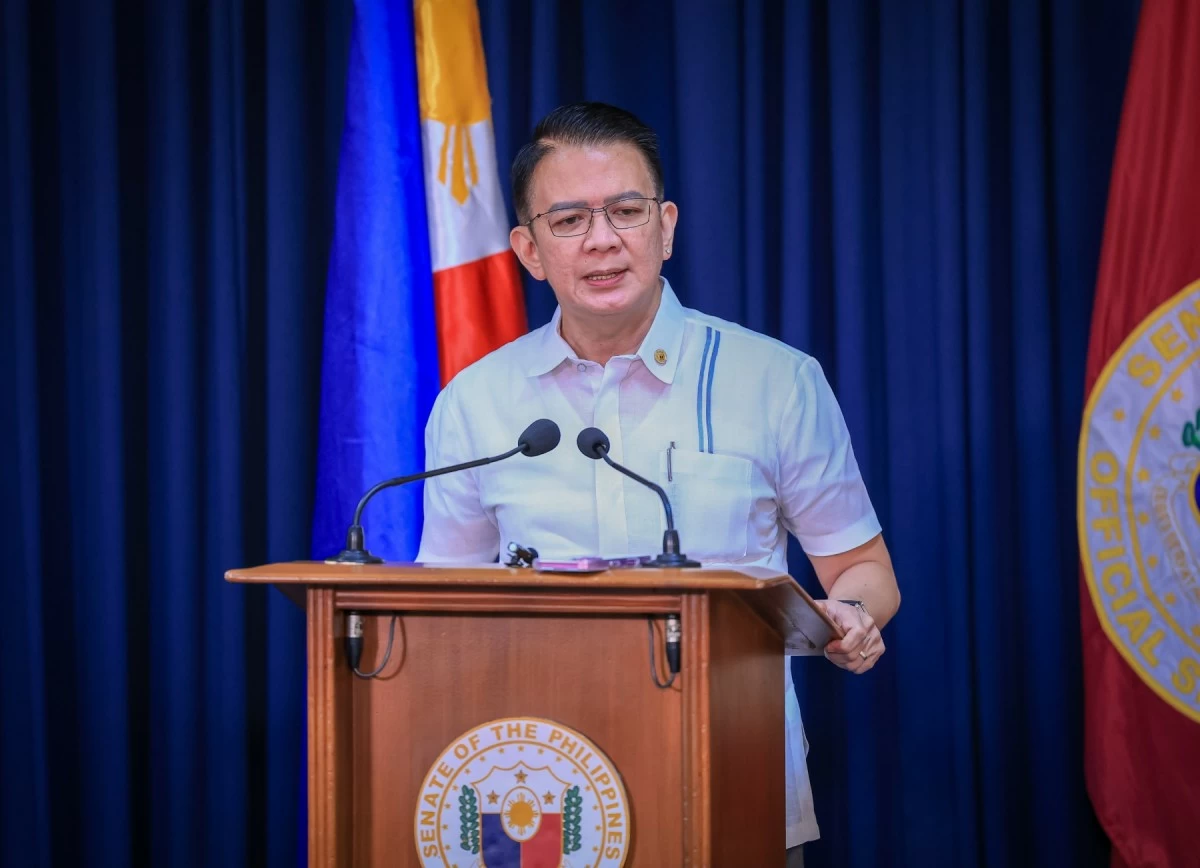
Escudero introduced the DUPA system under Senate Bill No. 1467, which he filed on October 27.
According to Escudero, the DUPA system will ensure that appropriations reflect actual market costs and are backed by clear, technical documentation.
The senator said this will help reduce construction costs and institutionalize reforms within the Department of Public Works and Highways (DPWH).
According to Escudero, SB No. 1467 directly responds to recent findings by the DPWH, which uncovered overpricing of materials such as asphalt, steel bars, and cement by up to 50%.
President Marcos has issued a directive to the DPWH to reduce material costs by 50 percent and make permanent the transparency efforts initiated by Secretary Vince Dizon.
Escudero has sent a copy of the bill to Sen. Sherwin Gatchalian, chairman of the Senate Committee on Finance for consideration during deliberations for the 2026 national budget.
According to the former Senate leader, the DUPA requirement should be a condition for the inclusion of any infrastructure project in the National Expenditure Program (NEP) and the release of public funds.
“The cost of a project cannot be simply estimated. There must be a basis, there must be details, and there must be accountability,” Escudero pointed out.
“When the price of every nail, cement, and service is clear, government spending becomes more honest. The people can see better where every peso goes,” he explained.
The senator said passing the reform measure into law is urgent, noting that for 2026, the public sector infrastructure budget will reach P1.56-trillion—or nearly 23 percent of the total national expenditure.
“Despite the fiscal impact of infrastructure projects, the manner by which their appropriations are determined remains arbitrary, inconsistent, and susceptible to distortion and misrepresentation,” Escudero said in the bill’s explanatory note.
The lawmaker noted that previous budget practices have enabled “an arbitrary yet systematic scheme where appropriations for infrastructure projects are allegedly being used as identifiers of projects reserved for favored contractors.”
Under the bill, all infrastructure projects must be backed by a DUPA, which is a detailed breakdown of labor, equipment, materials, and other expenses.
This documentation will be required before any project is included in the National Expenditure Program (NEP) or the General Appropriations Act (GAA), and before any procurement or fund release can proceed, Escudero said.
Moreover, the bill mandates the creation of a national reference manual, updated every three years, and a capacity-building program for engineers, budget officers and auditors.
He said this would ensure consistency in cost estimation and strengthen institutional safeguards against inefficiency and corruption.
“By establishing this uniform and transparent method of estimating appropriations, this measure can deter unscrupulous budget practices, promote fiscal discipline, create fiscal space for other priority programs and projects and provide a technical and financial safeguards against corrupt and inefficiencies in public spending,” he said.