







3 cemeteries that stand out in the Philippines
Check out these beautiful final resting places
By Poch Eulalia
Published Oct 29, 2025 07:41 pm


At A Glance
- Some believe cemeteries should be designed beautifully, often as a way to respect those who have passed.
Images from Wikimedia
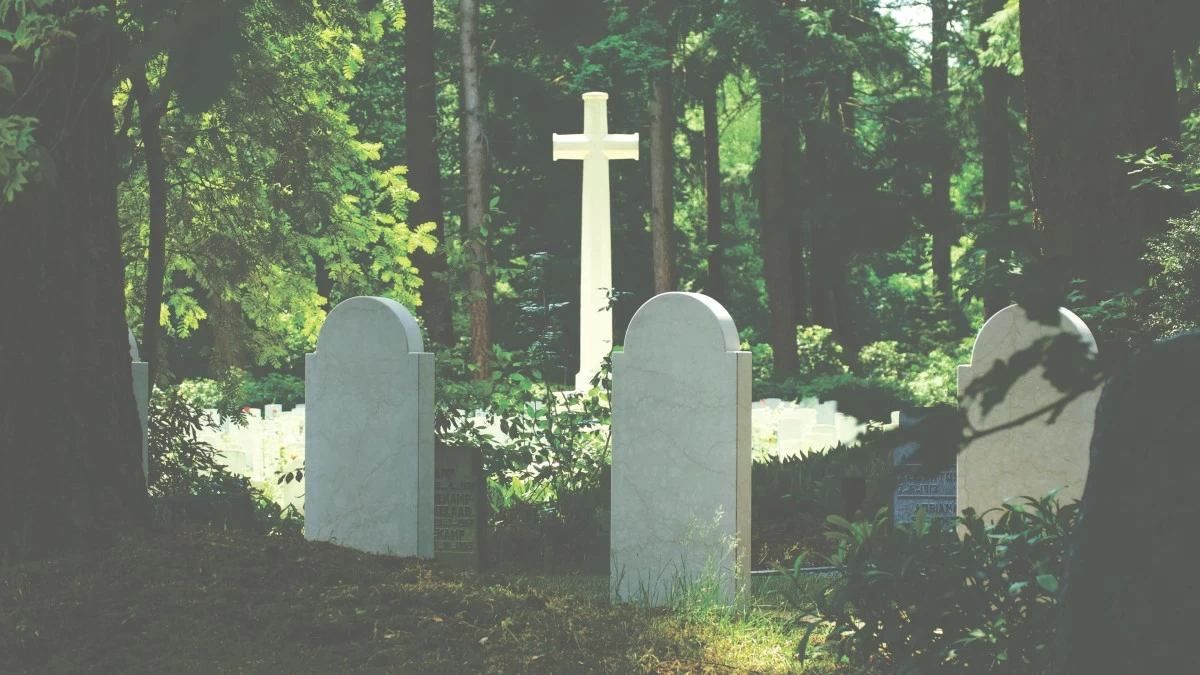
Cemeteries are often perceived as having a gloomy atmosphere, mostly due to being our final resting place. That’s not always the case. Some believe cemeteries should be designed beautifully, often as a way to respect those who have passed. Here are some places for the departed that can be viewed in a lighter perspective than one we are often used to.
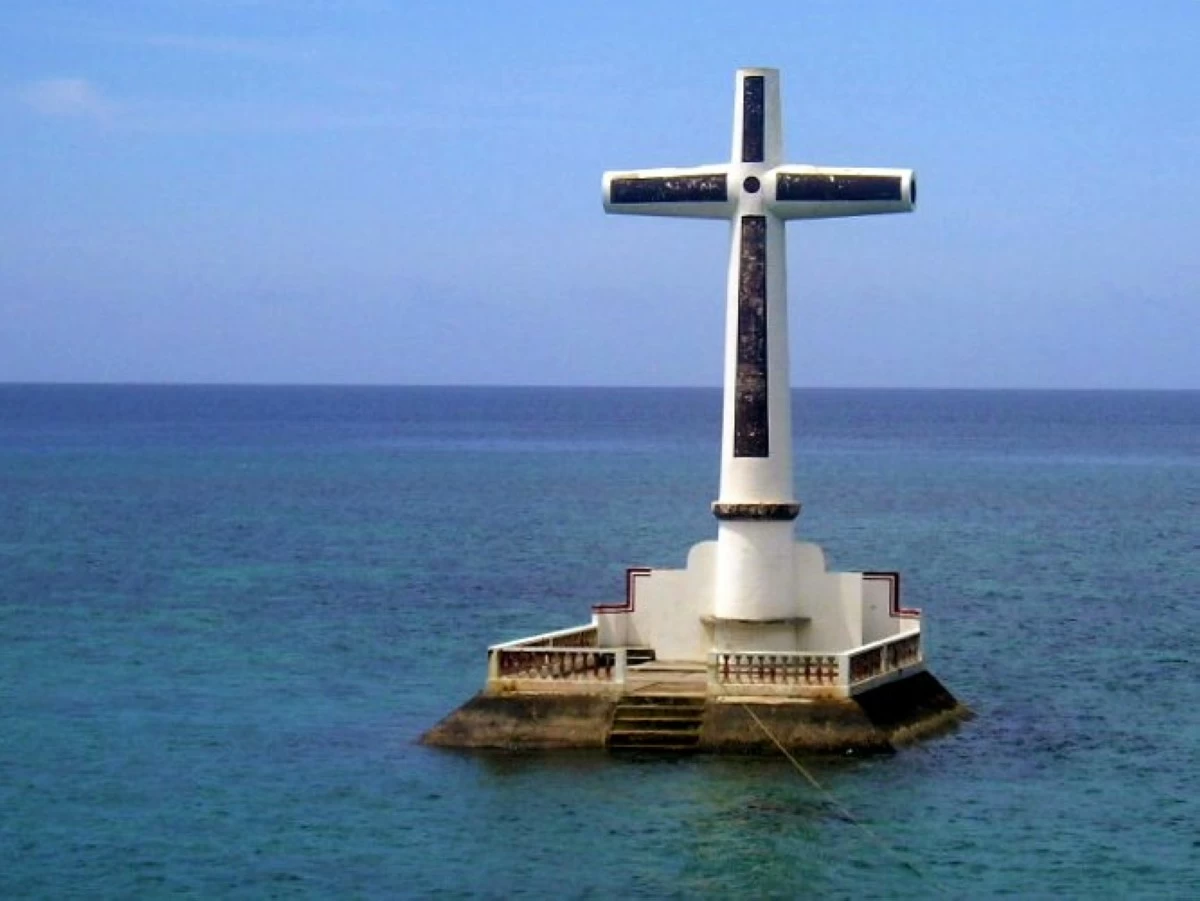
Sunken Cemetery, Camiguin
This cemetery isn’t sunken due to ghost flood projects. Camiguin’s Sunken Cemetery is the result of Mt. Vulcan erupting in the 1870s. As a series of eruptions and earthquakes shook the area, the cemetery ended up sinking. Today, you can visit the Sunken Cemetery and even snorkel in the area to see the graves and statues lying underwater. A white cross stands as a marker for the area.
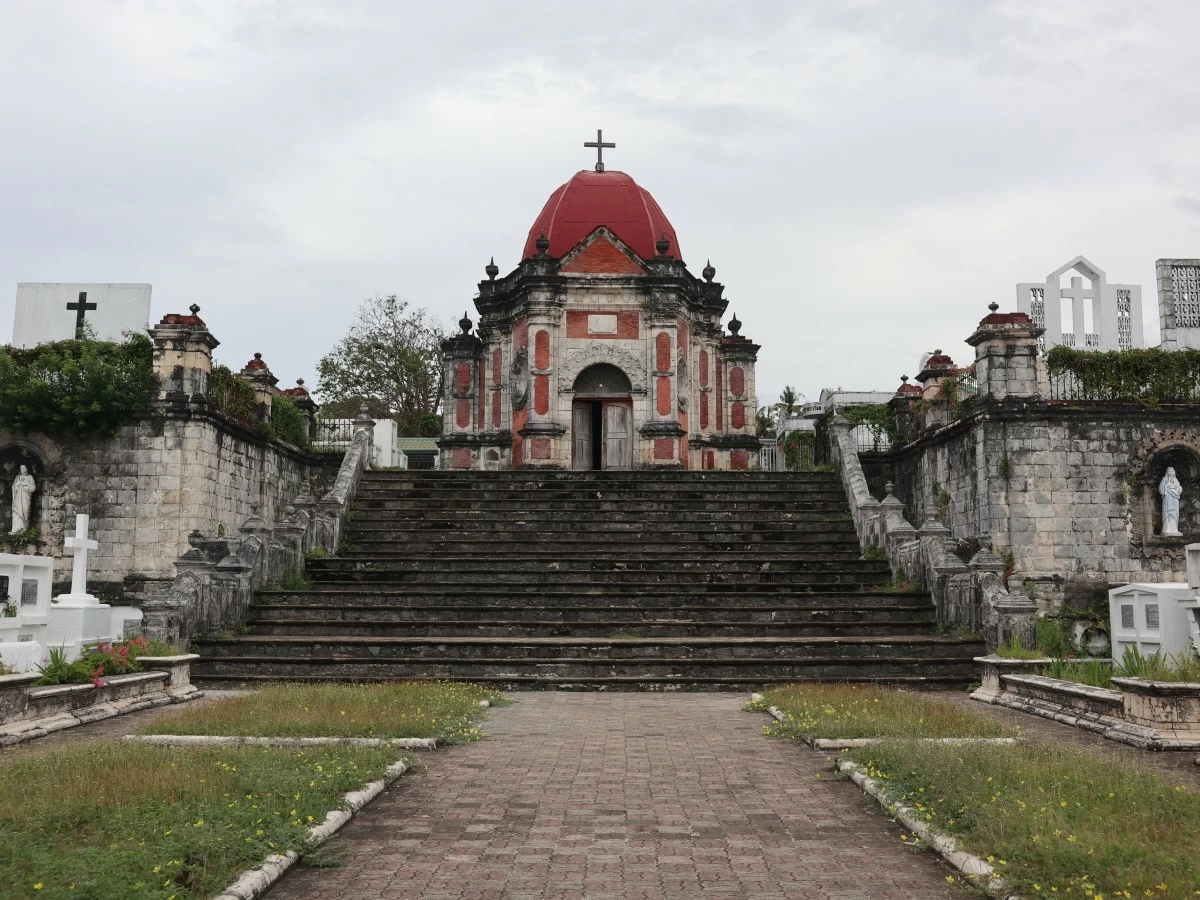
San Joaquin Campo Santo, Iloilo
If you’re on a road trip from Iloilo City to Antique, this cemetery might catch your eye along the way. San Joaquin Campo Santo was put up by Augustinian priest Mariano Vamba in 1892 and is considered a National Cultural Treasure by the National Museum of the Philippines. A Baroque-style mortuary chapel steals the show as you enter the cemetery. Another unusual spot you can visit is a short drive away at the Municipality of Guimbal, where a marker can be seen for a supposedly vanishing mansion. Locals mention that some drivers might also encounter a white lady as a passenger in their vehicles when passing by.
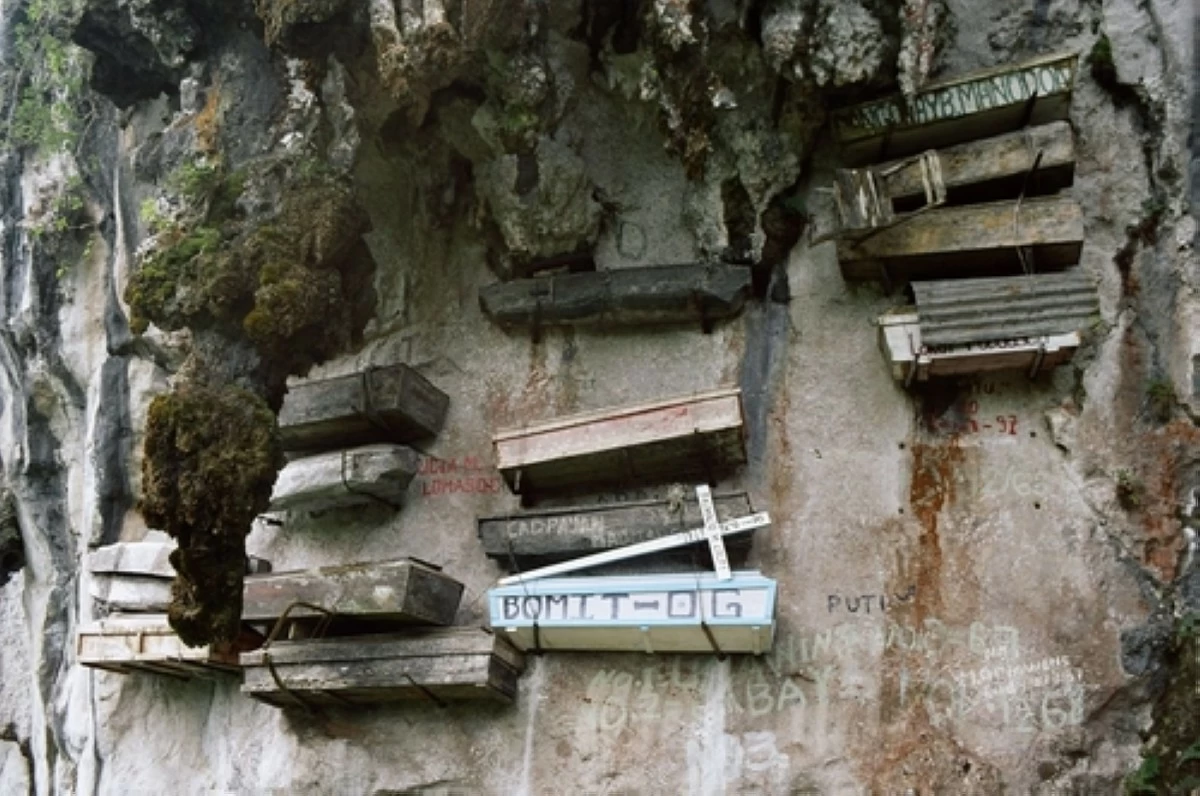
Hanging coffins of Sagada, Mountain Province
If you ever find yourself traveling in Northern Luzon, consider stopping by the hanging coffins of Sagada, located in the Mountain Province. These hanging graves come from the tradition of the Igorot tribe. This manner of burial is reserved for honored members of the tribe, with some requirements such as needing to be married and having grandchildren. Bodies within the coffins are placed in a fetal position, in the belief that one must greet death the same way they entered life.